
You may have heard about the Nigerian civil war but what if I told you that there was a war far more worse than the Nigeria civil war.
This is the story of the kiriji war.
There are wars history remembers through numbers.
Then there are wars remembered through scars.
The Kiriji War belongs to the second kind.
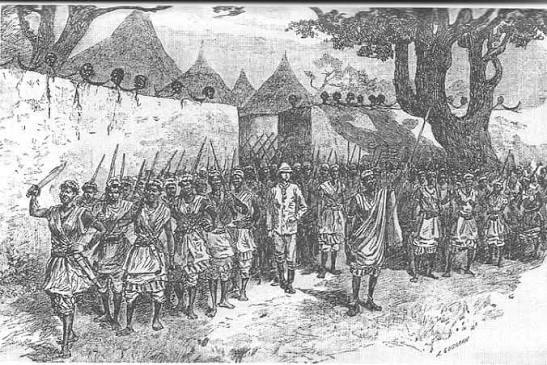
Long before modern Nigeria was born, Yorubaland stood as a powerful civilization of kingdoms, warriors, markets, traditions, and deep spiritual identity. But after the collapse of the old Oyo Empire, balance disappeared. Power became scattered like broken calabash pieces across the land.
From that chaos rose Ibadan, fierce, ambitious, and hungry for control. Ibadan transformed itself into the military capital of Yorubaland. Its warriors expanded influence across neighboring kingdoms, placing many territories under their authority. To some, Ibadan brought order. To others, it brought fear.
The eastern Yoruba kingdoms eventually reached their limit, Ekiti, Ijesa, Igbomina.
Allies from different corners of Yorubaland.
Together they formed the Ekiti-Parapo Confederacy, determined to break free from Ibadan’s grip. What began as resistance soon exploded into one of the bloodiest conflicts Yoruba history had ever witnessed.
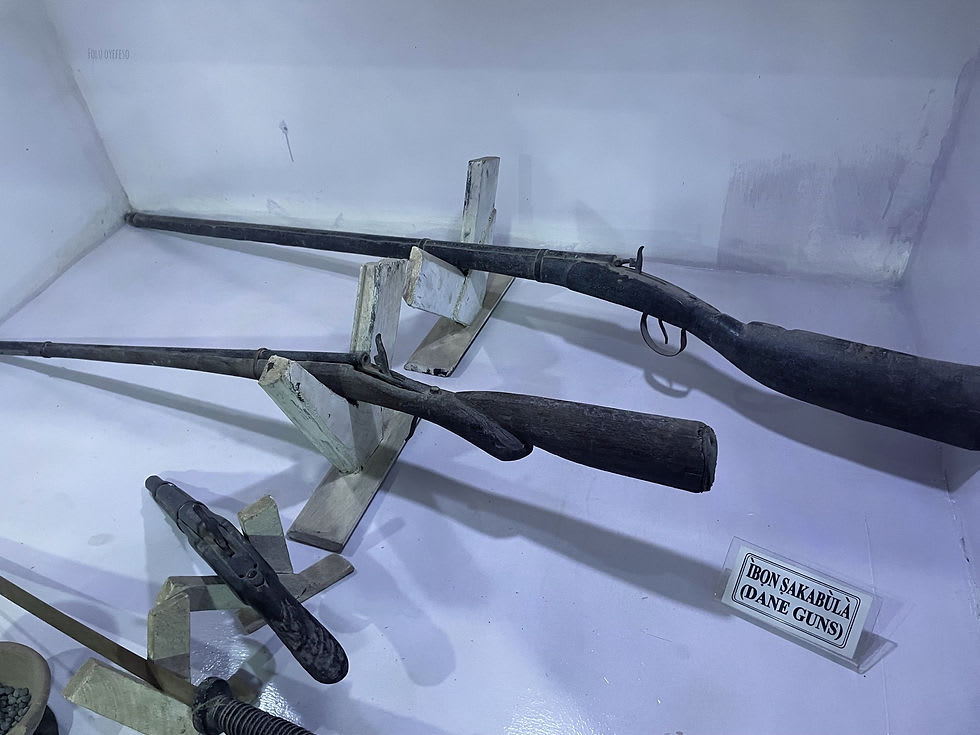
Then came the sound.
“Ki-ri-ji!”
The roar of cannons ripping through forests and hillsides. The explosions terrified both warriors and villagers alike. That sound became the war’s immortal name. Even today, the word feels heavy, like thunder trapped inside memory.
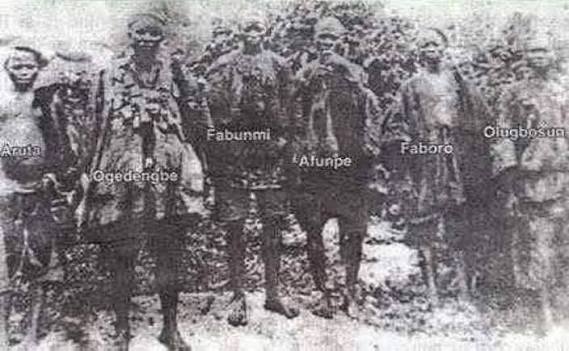
One of the legendary figures of the resistance was Fabunmi of Okemesi, remembered for defiance and courage against Ibadan domination. Facing him was the feared Aare Latoosa, a military strategist whose name still echoes through Yoruba history like a war drum.
This conflict changed warfare in Yorubaland forever. Imported European guns and cannons replaced many traditional battle methods. Trenches scarred the earth. Fortified camps stretched across territories. The battlefield evolved, but suffering remained ancient.
For ordinary people, the war was hell wearing the face of familiarity.
Markets emptied. Farms died unattended. Mothers carried children into forests at night. Communities disappeared beneath hunger, fear, and smoke. Trade routes collapsed, and Yorubaland slowly exhausted itself from within.
And while the Yoruba fought each other, the British watched carefully.
That is one of history’s coldest truths.
The Kiriji War weakened the region so deeply that colonial influence entered more easily afterward. A divided people often unknowingly prepare the road for outside control.
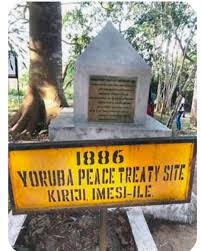 Peace finally arrived in 1893 after a peace treaty between two kingdoms, but the land that emerged afterward was no longer the same. Too much blood had watered the soil.
Still, the Kiriji War remains one of the most powerful chapters in Yoruba history because it teaches something timeless: strength without unity eventually consumes itself.
The cannons stopped roaring generations ago, yet Kiriji still lives in Yoruba memory like a storm that never completely left the sky.
© 2026 Ikeun Divine Michael | TalkAfricang.com



Comments (0)
Leave a Comment