
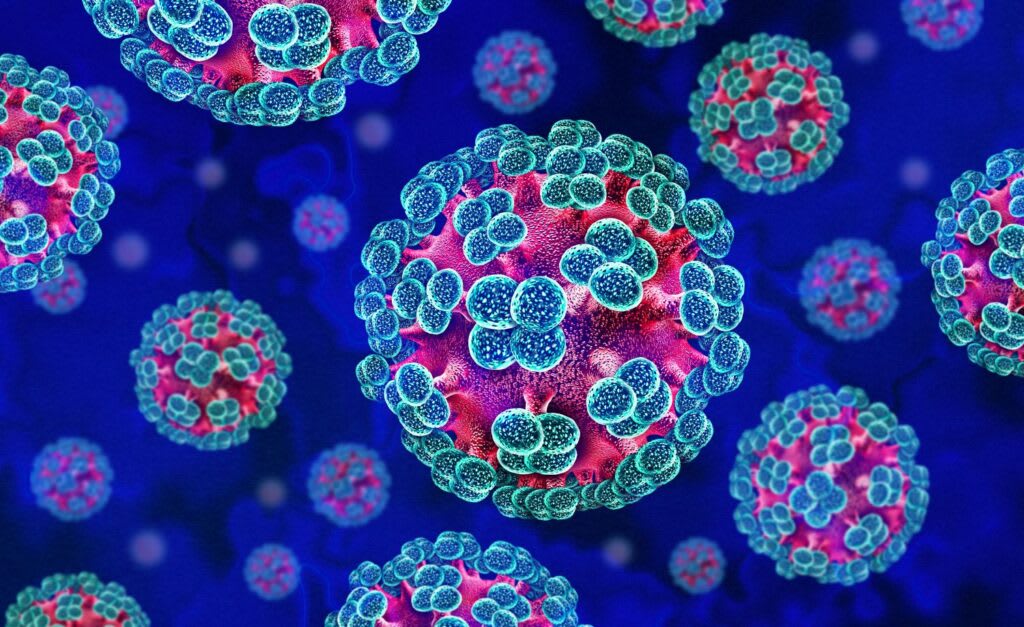
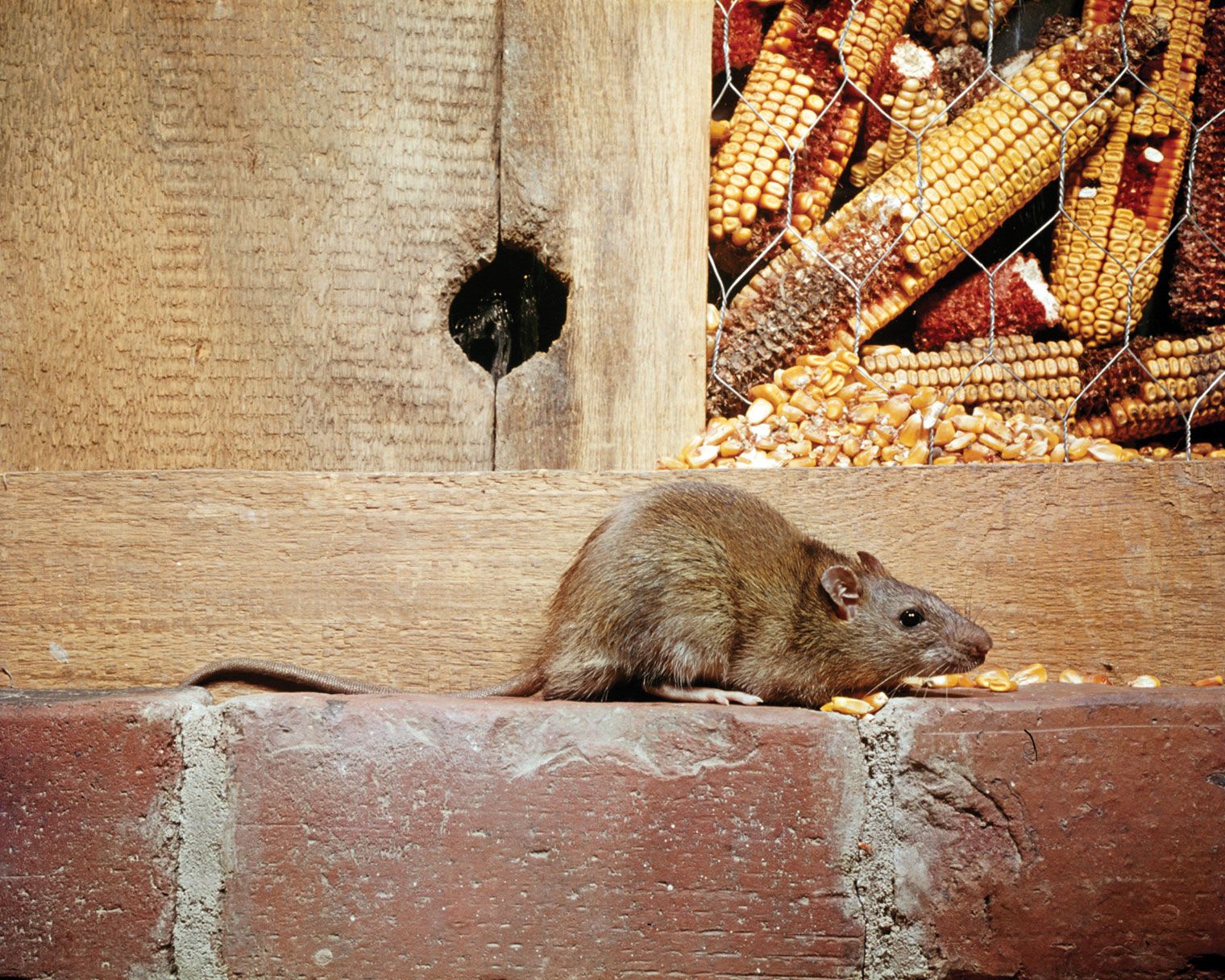
A tiny rodent scurrying across the floor may seem harmless, but in some cases, it can carry a deadly virus known as hantavirus. Though rare, hantavirus infections are dangerous and can become life-threatening within a short time if not treated early. Found mainly in rodents such as rats and mice, the virus spreads to humans through contact with contaminated urine, saliva, droppings, or dust particles.
As urban areas expand and sanitation challenges increase in many parts of the world, awareness about hantavirus has become more important than ever.
What causes Hantavirus?
Hantavirus infections occur when humans are exposed to infected rodents or areas contaminated by them. The virus is most commonly spread when people breathe in contaminated dust stirred up while sweeping or cleaning enclosed spaces.
Other causes include:
• Touching surfaces contaminated with rodent waste
• Eating food exposed to rodents
• Rodent bites, though uncommon
• Living or working in rodent-infested environments such as farms, warehouses, barns, and poorly ventilated buildings
People who frequently clean abandoned structures or handle waste without protective equipment are at grea
ter risk.
The Symptoms: From Mild to Dangerous
Hantavirus symptoms often begin like the flu, making the illness difficult to recognize at first.
Early warning signs include:
• Fever
• Fatigue
• Muscle pain
• Headaches
• Chills
• Dizziness
• Nausea and stomach discomfort
As the virus attacks the body, especially the lungs, victims may develop:
• Persistent coughing
• Chest tightness
• Shortness of breath
• Difficulty breathing due to fluid buildup in the lungs
One severe form of the disease, known as Hantavirus Pulmonary Syndrome (HPS), can become fatal if urgent medical care is not received.
Effects on the Body
Hantavirus is particularly dangerous because of how quickly it can damage vital organs. Possible complications include:
• Severe respiratory failure
• Lung damage
• Kidney problems
• Low blood pressure
• Organ failure
• Death in severe cases
Medical experts emphasize that early diagnosis greatly improves the chances of survival.
Preventive Measures
Unlike many diseases, there is currently no specific cure or vaccine widely available for hantavirus. Prevention therefore remains the strongest defense.
How to stay safe:
• Keep homes and surroundings clean
• Seal holes where rodents may enter
• Store food in covered containers
• Dispose of waste properly
• Avoid sweeping dry rodent droppings directly
• Spray disinfectant before cleaning contaminated areas
• Wear gloves and face masks during cleanup
• Wash hands thoroughly after handling waste or dusty materials
Good sanitation and proper hygiene play a major role in reducing the spread of the disease.
Although hantavirus infections are uncommon, they remind us how closely human health is connected to the environment. A simple act such as safely cleaning a storage room or controlling rodents around the home can help prevent a serious outbreak.
In a world where infectious diseases continue to emerge unexpectedly, awareness, cleanliness, and early medical attention remain some of the most powerful tools for protection.
© 2026 Aisha Egena-Aruwa | talkafricang.com


Comments (0)
Leave a Comment