
At the edge of the golden sands of Giza Plateau stands a monument that refuses to bow to history. The Great Pyramid of Giza is not just a structure. It is a declaration. A statement carved in limestone that says, we were here, and we understood eternity.
A Monument Born of Vision
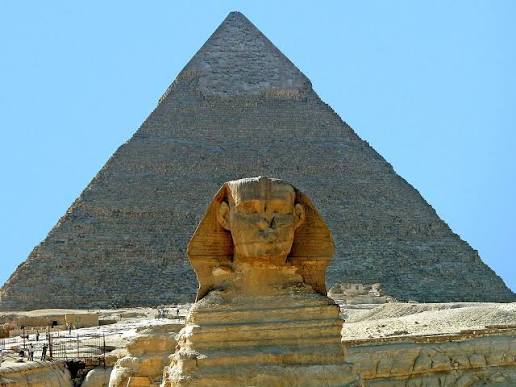 The Great Pyramid was built during the reign of Pharaoh Khufu around 2580 to 2560 BCE, during the height of Egypt’s Fourth Dynasty. It was originally constructed as a tomb, but calling it “just a tomb” feels almost disrespectful. This was ambition in its purest form.
Rising to an original height of about 146 meters, it stood as the tallest man made structure in the world for over 3,800 years. Think about that. Empires rose and fell, languages were born and buried, yet this pyramid stood, unmoved, watching it all unfold.
Built from over two million blocks of stone, each weighing tons, the precision still puzzles modern engineers. No cranes. No advanced machinery. Just human will, discipline, and a deep understanding of mathematics and astronomy.

The Intelligence Behind the Stones
The alignment of the pyramid is almost perfectly true to the cardinal points of the compass. This was not guesswork. The ancient Egyptians understood the skies. They studied the stars, and in doing so, aligned their monuments with the universe itself.
Inside, narrow passages lead to chambers, including the King’s Chamber, believed to house Khufu’s sarcophagus. The construction reflects not just engineering skill, but spiritual intention. The pyramid was designed as a gateway, a bridge between the earthly realm and the afterlife.
Cultural and Spiritual Significance
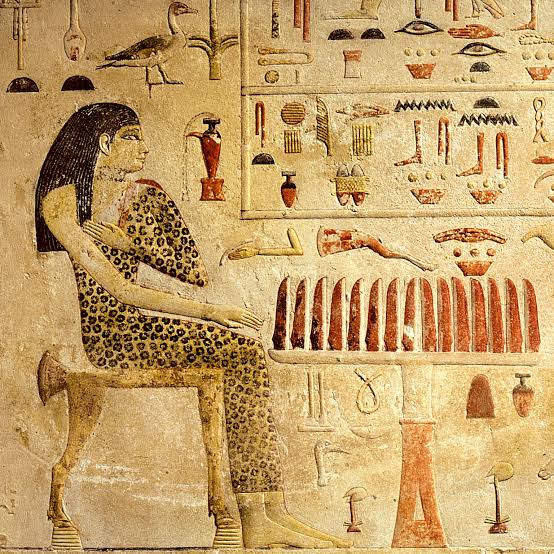
To the ancient Egyptians, life did not end at death. It transformed. The pyramid symbolized the journey of the soul, rising toward the heavens, much like the sun god Ra crossing the sky each day.
This belief shaped everything. The rituals, the architecture, the art. The Great Pyramid was not just for a king. It was for eternity. A reminder that power fades, but legacy, when built with purpose, echoes beyond time.
 A Legacy That Refuses to Fade
Today, the Great Pyramid is the last surviving wonder of the Seven Wonders of the Ancient World. The others have fallen, reduced to memory and myth. But this one remains.
Tourists come. Scholars study. Dreamers stand in its shadow and feel small, yet strangely inspired.
Because this pyramid whispers something simple but powerful:
Greatness is not rushed. It is built, stone by stone, with patience, sacrifice, and vision.
The desert remembers.
Every grain of sand has watched hands bleed, backs bend, and minds stretch beyond their limits.
And still, the pyramid stands.
Not as a relic, but as a question—
What are you building that time cannot erase?
© 2026 Ikeun Divine
Michael | TalkAfricang.com



Comments (0)
Leave a Comment