
 Nigeria is Africa’s most populous country, with over 220 million people from more than 250 ethnic groups. The three major languages are Hausa-Fulani (north), Yoruba (southwest), and Igbo (southeast). Nigerians speak over 500 languages, but English is the official language, and Pidgin English is widely used. Nigeria is often referred to as the “giant of Africa” due to its immense cultural, historical and ethnic diversity. Nigeria’s history is not a singular narrative but a fusion of various civilizations, empire and cultural evolution.

People have lived in Nigeria for thousands of years. The Nokculture (around 1000 BC–AD 300) made famous terracotta sculptures and was one of the first to smelt iron in West Africa. From the 9th century, powerful states grew. In the north, Hausa city-states and the Kanem-Bornu Empire traded across the Sahara and adopted Islam. Northern Nigeria has a long and rich history marked by powerful empires and Islamic influence. In the south, the Yoruba built the city of Ife and later the Oyo Empire.
The Edo people, primarily found in the present day of Edo state were in the heart of the powerful Benin kingdom, one of Africa’s oldest and most advanced pre colonial state
Founded around the 11th century, the kingdom rose to prominence under rulers known as obas. The Benin Empire (Edo people) was famous for its bronze art.
From the 1500s to the 1800s, millions of Nigerians were taken in the Atlantic slave trade, causing great suffering. Britain took control in the late 1800s, defeated northern kingdoms like the Sokoto Caliphate, and joined north and south into one colony in 1914. Nigeria became independent in 1960. Early years had ethnic tensions, leading to military coups and the Biafran Civil War (1967–1970). Military rulers governed most years until democracy returned in 1999. Today, Nigeria is a democratic nation with a seating president and an active national assembly.
About half the people are Muslim (mostly north), half Christian (mostly south), and some follow traditional beliefs, while Families are large and close-knit. Respect for elders is very important.
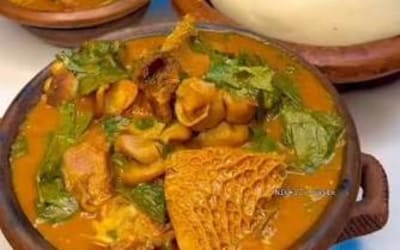
Nigeria is known for having amazing dishes, Popular dishes include jollof rice, fufu with soup, pounded yam, suya (grilled meat), and egusi soup. Food varies by regions.
In the aspect of outfits, Traditional outfits include flowing agbada or babban riga (men) and colorful wrappers and head ties (women). Kente and adire fabrics are loved.
Nigeria gave the world Afrobeat (Fela Kuti) and today’s Afrobeats (Burna Boy, Wizkid, Davido). Traditional drums and dances celebrate weddings, festivals, and rites.
To the movie industry, Nollywood makes more movies than any country except India, with creative script writers and producers.
Nigeria also carry out festivals every year, colorful events like the Durbar horse parade (north), Eyo masquerade (Lagos), and New Yam Festival (Igbo) show rich traditions.
Nigerians are known for their warmth, hard work, creativity, and strong sense of community. Despite challenges, their culture continues to shine brightly around the world. NAIJA NO DEY CARRY LAST

©Esther Ojoma | TalkAfrica NG


Comments (0)
Leave a Comment