Nigerian Senate Rejects Fresh Amendment to Electoral Act Ahead of 2027 Elections

Nigerian Senate Rejects Fresh Amendment to Electoral Act Ahead of 2027 Elections

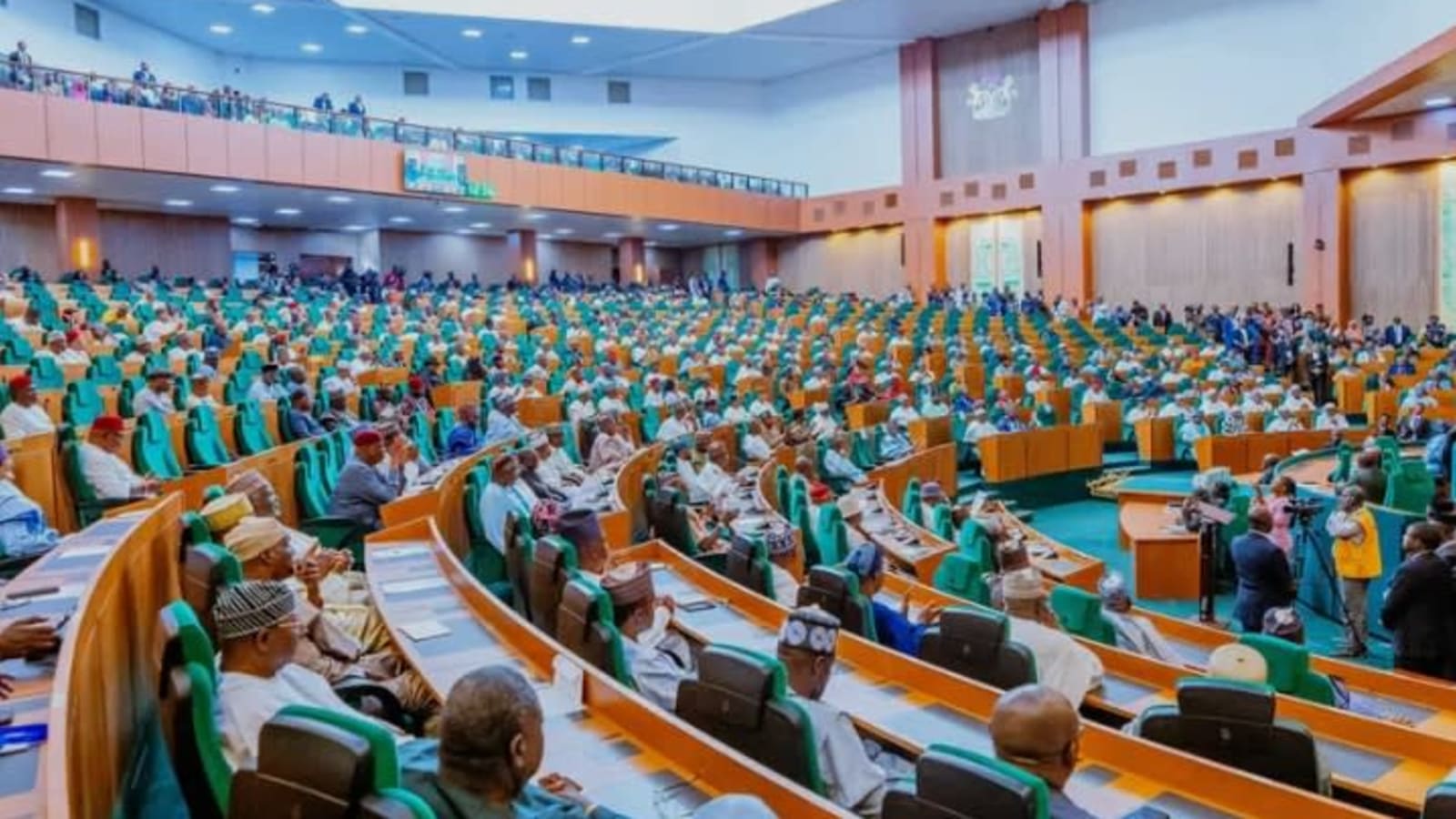
The Nigerian Senate has rejected a fresh proposal to amend the country’s Electoral Act, emphasizing that any further changes must follow established legislative procedures and broad national consultation.

The decision comes amid heightened political discussions ahead of the 2027 general elections, with some opposition figures and civil society groups calling for additional reforms to address perceived gaps in the current electoral framework.

Lawmakers opposing the new amendment argued that the existing Electoral Act already provides a workable structure for conducting free and fair elections. They cautioned that making frequent amendments close to major election cycles could create uncertainty and disrupt preparations by the Independent National Electoral Commission (INEC).

Senate officials stressed the need for stability in the electoral process, noting that reforms should be carefully studied and broadly consulted before introduction. They added that electoral laws must balance innovation with predictability to maintain public trust in Nigeria’s democratic institutions.

Supporters of the proposed amendment, however, argued that evolving political realities require periodic adjustments to improve transparency, digital transmission of results, party primaries, and dispute resolution mechanisms. They believe further refinements would strengthen the democratic process ahead of the next national polls.

The Electoral Act has been at the center of significant debate in recent years, especially following the 2023 general elections, where concerns were raised about technology deployment, logistics, and interpretation of certain provisions.

Political analysts say the Senate’s rejection signals a desire to avoid legislative instability as parties begin early positioning for 2027. They also note that major constitutional or electoral changes typically require broad bipartisan agreement to succeed.

As preparations for the 2027 elections intensify, attention is expected to remain focused on electoral reform, institutional independence, and ensuring the credibility of Nigeria’s democratic framework.

© 2026 Aliu Azeema | TalkAfricang.com
Filed under: newspolitics

Share this article

Keep Reading

More stories you might find interesting

THE EVOLUTION OF NIGERIA: FROM ANCIENT CIVILIZATIONS TO MODERN NATION HOOD
african-history

THE EVOLUTION OF NIGERIA: FROM ANCIENT CIVILIZATIONS TO MODERN NATION HOOD

Discover the deep and powerful history of Nigeria from the ancient ingenuity of the Nok civilization to the rise of sophisticated kingdoms, the impact of British colonial rule, and the hard won struggle for independence. This sweeping overview highlights the resilience, culture, and political evolution that shaped Nigeria into Africa’s most populous nation and a leading voice on the continent.

Nigeria’s $470M "Digital Eye": Is AI Actually Keeping Us Safe?
news

Nigeria’s $470M "Digital Eye": Is AI Actually Keeping Us Safe?

Explore the intersection of innovation and transparency as TalkAfricaNG dives into Nigeria’s landmark $470 million AI surveillance investment, a move that positions the nation as Africa’s premier "Smart City" frontrunner. While this world-class blueprint promises a tech-enabled security revolution, we examine the essential roadmap and local partnerships needed to move these ambitious digital tools from the boardroom directly to our city streets. By bridging the gap between high-level financial commitments and visible infrastructure, Nigeria is not just buying cameras but building a sustainable "Digital Watchtower" that fosters long-term trust and safety for every citizen.

🌏WORLD TUBERCULOSIS DAY- 24th March
news

🌏WORLD TUBERCULOSIS DAY- 24th March

World TB Day 2026, themed “Yes! We Can End TB: Led by countries. Powered by people”, highlights the urgent need to end tuberculosis, a disease that remains a major global health threat. TB can be latent or active, pulmonary or extrapulmonary, and drug-resistant forms make treatment more complex. Ending TB requires strong government leadership, community participation, early detection, and public awareness, emphasizing that collective action can make its eradication achievable

Comments (0)

Leave a Comment

0/1000
Loading comments...