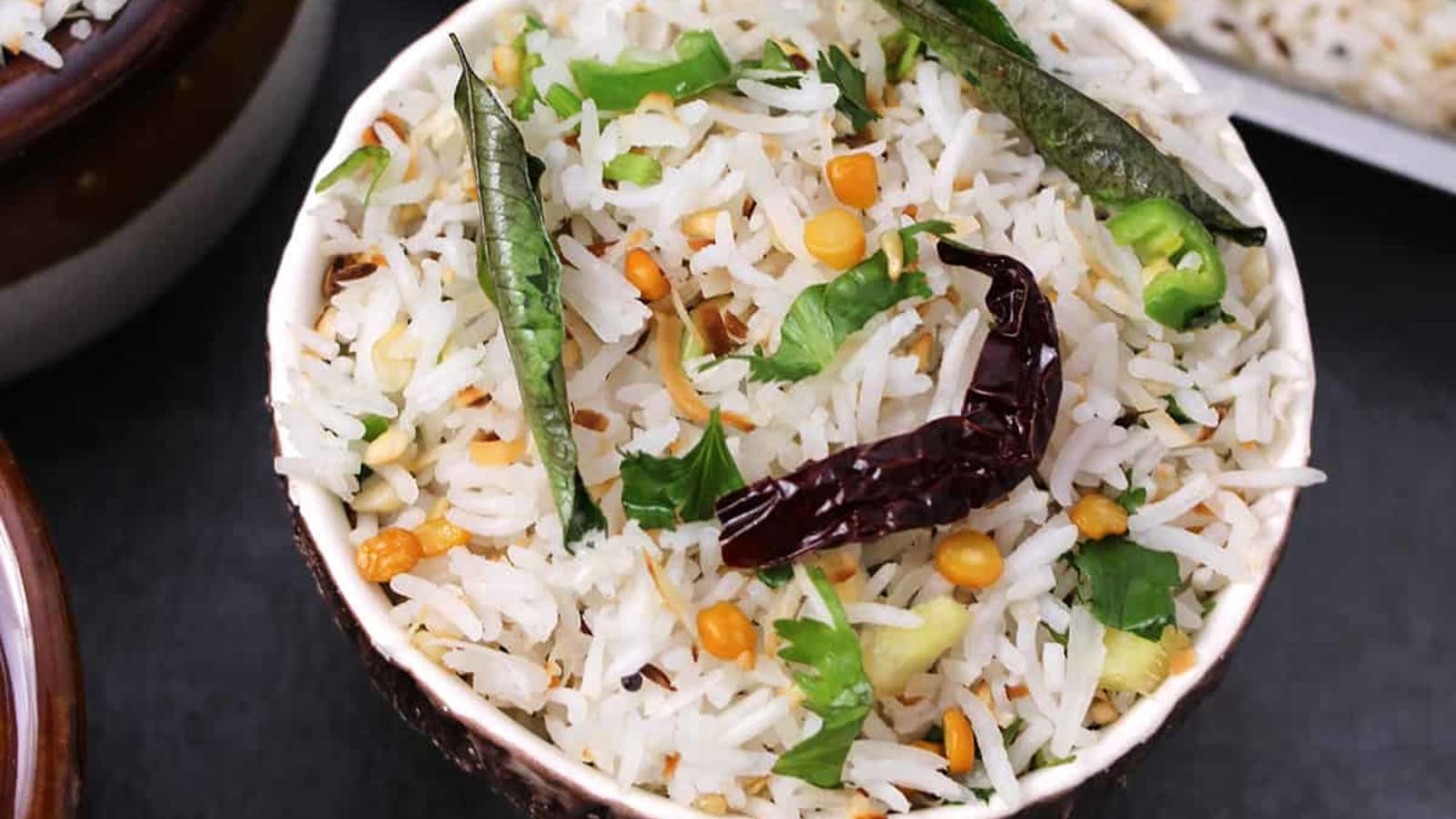

Across many parts of Africa especially in West Africa coconut rice holds a special place in the hearts and homes of food lovers. This flavorful dish combines two everyday staples rice and coconut to create a warm, aromatic, and deeply satisfying meal that speaks volumes about Africa’s culinary creativity and tropical richness.
A Dish with Deep Cultural Roots
Coconut rice is not just food; it’s a story. A story of coastal regions blessed with coconut trees and communities that have long mastered the art of turning nature’s gifts into nourishing delicacies. In countries like Nigeria, Ghana, and Sierra Leone, coconut rice is a staple at family gatherings, festive celebrations, and even quiet weekend meals.
Each region may have its unique twist some add seafood, some prefer it spicy, and others serve it plain with a hearty sauce but the essence remains the same: riuce simmered gently in coconut milk, infused with spices, and often garnished with vegetables or meats.
What Makes Coconut Rice Special?
The magic of coconut rice lies in its creamy texture, subtle sweetness, and comforting aroma. The coconut milk used in cooking not only gives the rice a soft, velvety feel but also enriches it with natural oils and a delightful tropical flavor.

Typical ingredients include:
- Rice (long-grain or basmati)
- Fresh or canned coconut milk
- Onions and garlic
- Ginger, thyme, and bay leaves
- Seasoning cubes or stock
- Fresh chilies (optional for heat)
- Vegetables like carrots, peas, or bell peppers
The result is a dish that’s both simple and luxurious perfect on its own or served with grilled chicken, fried plantains, steamed fish, or peppered beef.
More Than a Meal
Coconut rice represents more than just food; it’s a reminder of Africa’s abundance and versatility. It showcases how basic ingredients can be transformed into something extraordinary with creativity and love.
At TalkAfrica NG, we celebrate dishes like coconut rice because they tell our stories stories of culture, tradition, and togetherness. Whether you're discovering this dish for the first time or grew up eating it with your family, coconut rice reminds us that food can be both nourishing and memorable.
Ready to Try?
If you haven’t had coconut rice in a while, maybe it’s time to bring it back to your table. Try it this week, share it with someone, and rediscover the beauty of African cuisine one plate at a time.
Coconut rice: comforting, cultural, and completely unforgettable.


Comments (0)
Leave a Comment