
It often begins like a common illness; fever, fatigue, maybe a sore throat. Nothing alarming. Nothing urgent. But in rare cases, these mild symptoms can signal the onset of something far more dangerous: Stevens–Johnson syndrome (SJS), a life-threatening condition that many people have never even heard of.
Despite its severity, SJS remains largely under-discussed. Yet awareness could mean the difference between early treatment and devastating complications.
A Silent and Severe Reaction
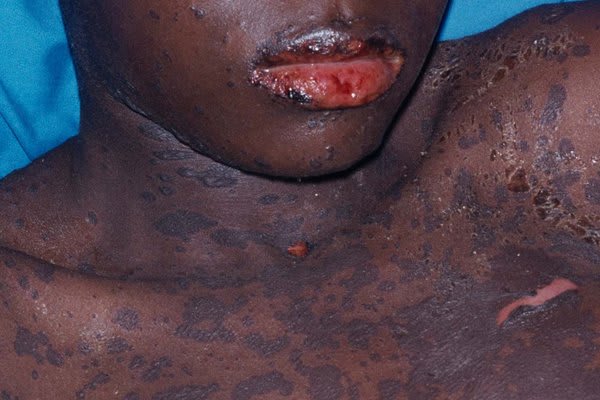
Stevens-Johnson Syndrome is a rare disorder in which the body’s immune system turns against itself, attacking the skin and mucous membranes. The result is painful blistering, peeling skin, and widespread tissue damage.
What makes SJS especially dangerous is how easily its early signs can be mistaken for everyday illnesses. By the time the condition becomes obvious, it may already be critical.
The Medications Behind the Risk
For many patients, SJS is triggered not by disease, but by the very medications meant to help them.
Common culprits include:
• Sulfonamide antibiotics such as Septrin
• Antimalarial drugs like Fansidar
• Pain relievers such as Ibuprofen
• Antiretroviral drugs like Nevirapine
• Certain anticonvulsants and psychiatric medications.
These drugs are widely used and generally safe but in rare individuals, they can provoke a severe hypersensitive reaction.
When Infection Plays a Role
While medications are the leading cause, infections can also trigger SJS. Conditions such as HIV, Herpes simplex, and Hepatitis A have all been linked to the syndrome.
For individuals with weakened immune systems, such as those undergoing chemotherapy, the risk becomes even higher.
From Flu-Like Symptoms to Medical Emergency
SJS doesn’t announce itself dramatically at first. Instead, it creeps in quietly:
• Fever and fatigue
• Sore throat and cough
• Burning or irritated eyes
Then, suddenly, the condition escalates:
• Painful red or purple skin rashes
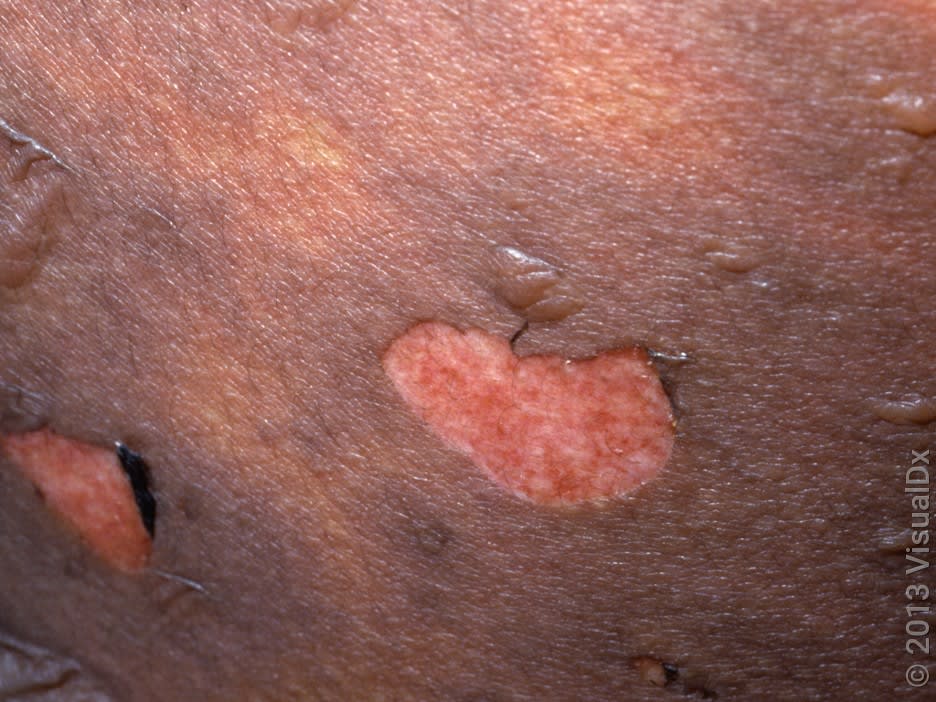
• Blistering and peeling skin
• Sores affecting the mouth, eyes, and genitals
At this stage, SJS becomes a medical emergency requiring immediate hospital care.
The Hidden Aftermath
Surviving SJS is only part of the journey. Many patients face long-term effects that can reshape daily life:
• Chronic eye sensitivity or vision problems
• Skin discoloration or scarring
• Hair loss
• Difficulty swallowing
• Changes in the sense of taste
• Psychological trauma, including anxiety and post-traumatic stress.

These lasting impacts highlight just how severe the condition can be, even after treatment.
Why Awareness Matters
One of the greatest dangers of Stevens-Johnson Syndrome is delay. Because early symptoms resemble common illnesses, many people ignore them, especially after starting a new medication.
Timing is critical. Recognizing the warning signs and seeking immediate medical help can prevent life-threatening complications such as sepsis and organ failure.
If you feel unwell shortly after taking a new medication; especially if you notice unusual skin reactions, don’t wait. Get medical help immediately.
Prevention also plays a role:
• Avoid self-medication
• Inform doctors of past drug reactions
• Ask about possible side effects before starting new treatments.
Stevens-Johnson Syndrome may be rare, but its consequences are anything but small. In a world where medications are a daily part of life, understanding this condition is essential because sometimes, the difference between recovery and tragedy is simply knowing when something isn’t right, and acting fast.
Aisha Egena-Aruwa | talkafricang.com


Comments (0)
Leave a Comment