
THE CHANGE WE AREN'T READY FOR
Why Nigeria's greatest obstacle may not be the men in power, but the mirror we refuse to look into.
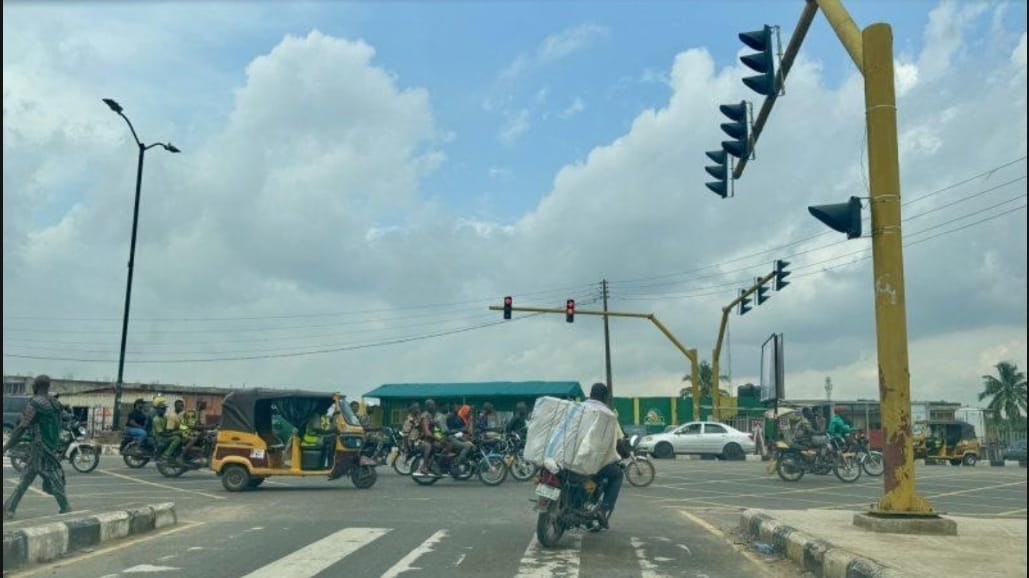
The signal is there. The rules are clear. What we do at the intersection is still our choice.
Everyone wants a better Nigeria. But what if Nigeria is waiting for us first?
At every gathering — weddings, WhatsApp groups, church meetings — Nigerians recite the same grievances: failed promises, stolen budgets, roads that vanish after one rainfall. We are fluent in complaint. But here is the harder question: if Nigeria became, overnight, the nation we say we want, would our own daily habits be worthy of it — or would we quietly rebuild the dysfunction we just escaped?
This is not an attempt to excuse bad governance or shift responsibility from those in power, it is a move to confront the uncomfortable truth. Nigeria's greatest problem may not be the government alone, It may also be Nigerians — all of us, in the small choices we make when no one is watching.
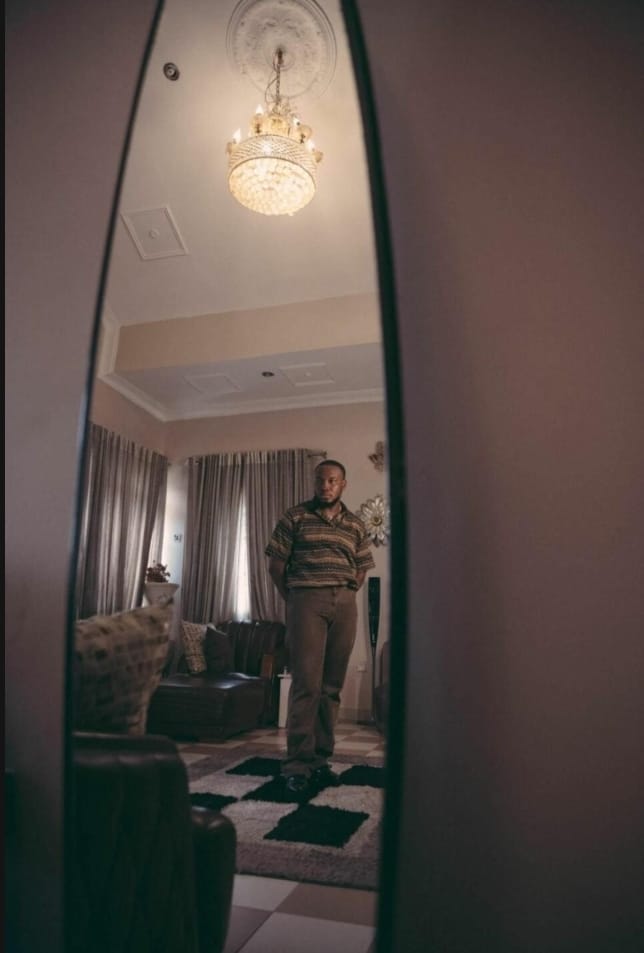
Before we ask the nation to change, perhaps we owe ourselves one honest look in the mirror.
The National Cry for Change
Our demands are reasonable: leaders who don't treat office as inheritance, roads that survive a rainy season, power that stays on, hospitals that heal rather than harm, justice that doesn't depend on who you know. Nigerians deserve all of it.
But if tomorrow Nigeria became exactly the country we all desire — are our daily habits worthy of such a nation?
A nation isn't a slogan. It's what its people do when the cameras are off — how they drive, queue, trade, and raise their children.
The Mirror We Rarely Look Into
It's comforting to believe Nigeria's problems begin and end in Abuja — comforting because it costs us nothing. But nations are built by the daily behaviour of ordinary citizens, not only by presidents and police commissioners. Corruption is rehearsed daily in our streets and offices long before it reaches a ministry. A society doesn't wake up corrupt one morning; it arrives there slowly, one small compromise at a time, until compromise becomes culture.
Everyday Behaviours That Hurt Nigeria
Consider how normal these have become:
Each looks small alone. But small wrongs compound until they present themselves as a national crisis we don't recognise as our own creation.
Why These Behaviours Persist
Beneath every habit sits a deeper root: weak accountability, poor civic education, and a survival mentality shaped by real hardship. Many no longer believe institutions will protect them if they play by the rules — so integrity starts to feel like a luxury only the comfortable can afford.
Understanding this isn't excusing it; it's the difference between diagnosing an illness and shaming the patient for being sick.
The Ripple Effect
A blocked drain doesn't flood one compound; it floods a street, destroys businesses, displaces families. Multiply this across two hundred million people, and millions of small private wrongs assemble into one national crisis — a strained economy, a battered reputation, a healthcare system stretched thin. What looks like government failure on the evening news is often a citizen failure wearing a government's uniform.
The Nigeria We Want Begins With Us
Change doesn't need a new constitution before it can start in one household or one street. It needs citizens willing to practise, in private, the integrity they demand in public:
Patriotism is not an anthem sung once a year. It is a daily discipline — visible in how a driver waits his turn and how a trader prices his goods when no one important is watching.
A Nation in the Mirror
We cannot build a first-class nation with third-class civic habits. No constitution and no president can outrun two hundred million individual choices made in the opposite direction every day.
The Nigeria we pray for will never arrive until the Nigeria inside us changes first. The greatest revolution this country needs is not only political — it is moral. And unlike the political one, this revolution requires no election, no permit, and no one else's permission. Only a decision, made quietly, today, by you.
Am I contributing to Nigeria's problems, or am I part of the solution?
The answer will not be found in the next election cycle. It will be found in the next small choice you make when no one is watching.
Wole Michael
Talkafricang.com

Comments (0)
Leave a Comment