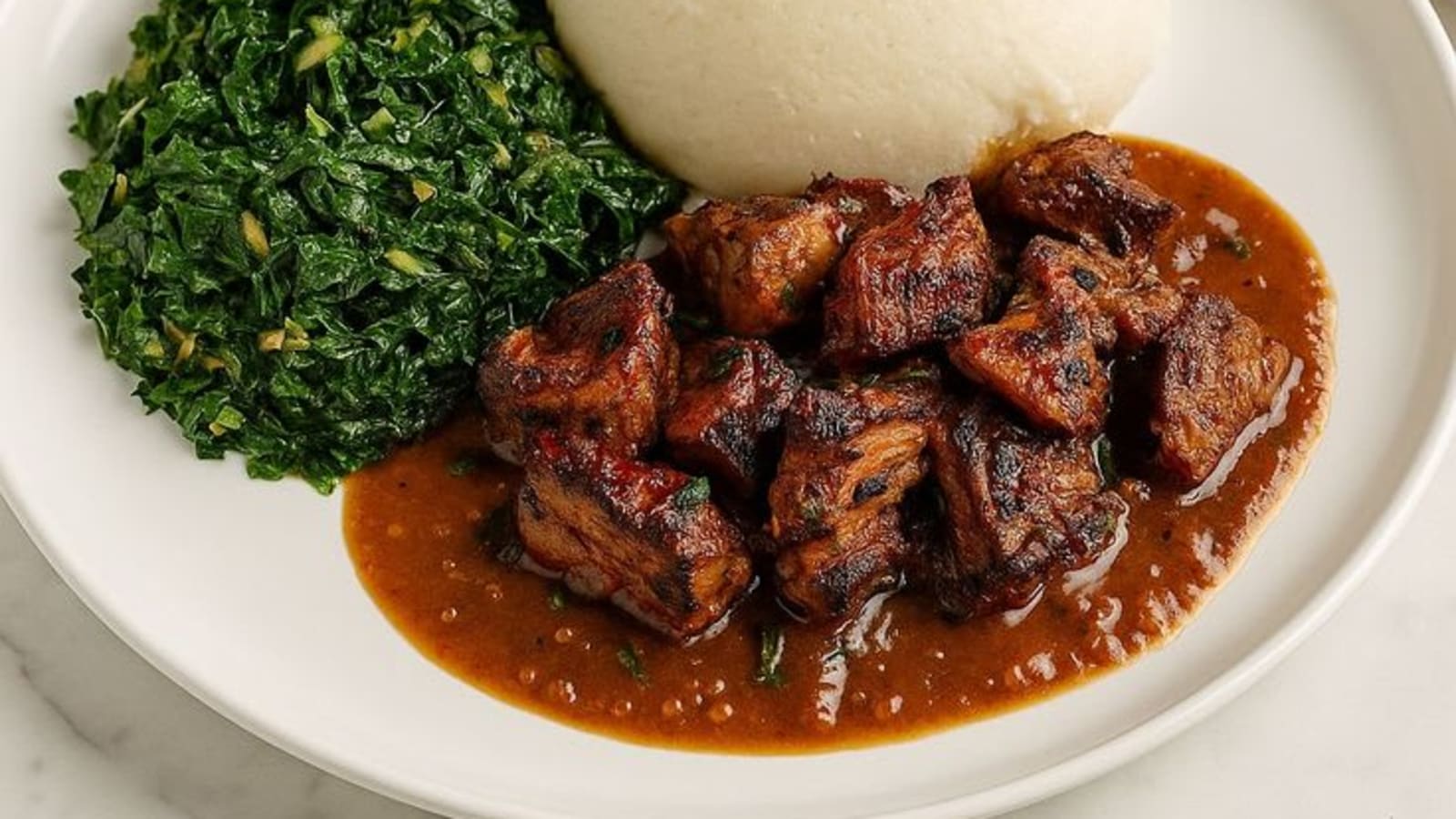
Ugali: A Cultural and Historical Staple of Africa
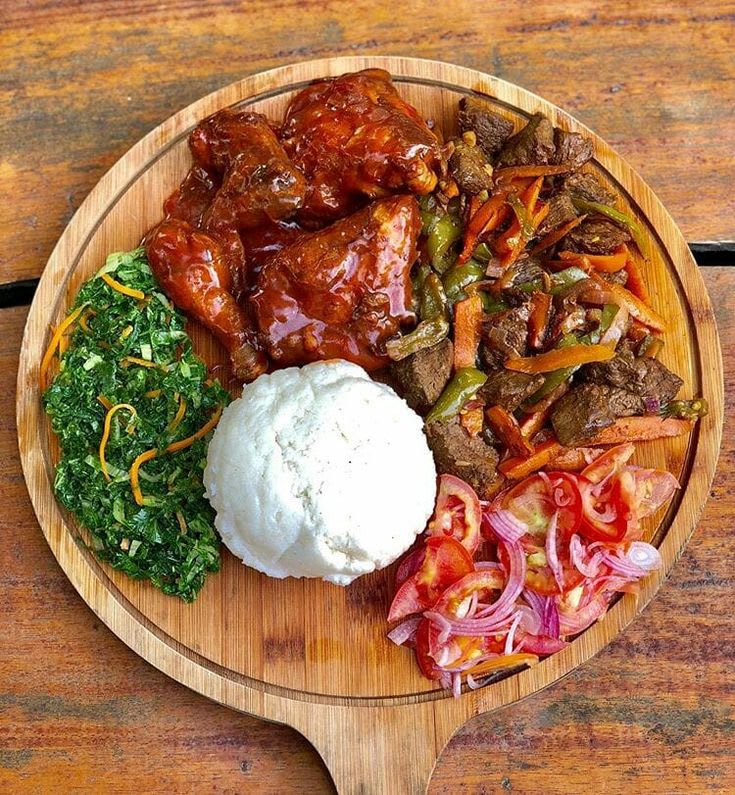
Ugali is more than just a meal it is a symbol of identity, resilience, and daily sustenance across much of East and Southern Africa. Widely eaten in countries such as Kenya, Tanzania, and Uganda, ugali is a thick, dough-like food made by cooking maize flour in boiling water until it forms a firm consistency. Though simple in ingredients, its cultural and historical significance runs deep.
Historical Background
The story of ugali is closely tied to the history of maize in Africa. Before maize became dominant, many African communities relied on grains such as sorghum and millet as their primary staples. However, between the 16th and 17th centuries, Portuguese traders introduced maize from the Americas into Africa.
Maize quickly gained popularity among African farmers because it was easier to cultivate and produced higher yields compared to traditional grains. Over time, it gradually replaced sorghum and millet in many regions, especially in East Africa. By the 20th century, maize had become the primary staple crop in several countries, leading to the widespread adoption of maize-based foods like ugali.
In places like Kenya, the rise of ugali was also influenced by colonial history. During the colonial period, maize farming expanded significantly under European settlers, and ugali became a common food among workers because it was affordable, filling, and easy to prepare.
Cultural Significance
Ugali is deeply woven into everyday life. It is not just food it is a shared experience. In many homes, it is eaten daily and often served as the central part of a meal, accompanied by vegetables, meat, or fish. Its neutral taste allows it to absorb the rich flavors of soups and stews, making it a perfect complement rather than a standalone dish.
Traditionally, ugali is eaten with the hands. Small portions are rolled into balls and used to scoop sauces or vegetables, reinforcing a communal style of eating that brings people together. In many African cultures, meals are not just about nourishment but about connection, family, and tradition.
Preparation and Variations
Ugali is prepared by gradually adding maize flour to boiling water while stirring continuously until it thickens into a firm paste. The process requires skill and strength to achieve the right texture smooth, dense, and lump-free.
Although maize flour is the most common ingredient today, variations of ugali still exist. In some regions, it can be made from cassava, millet, or sorghum, reflecting older culinary traditions that existed before maize was introduced.
Different regions also have different names for similar dishes. For example, it is known as nsima in Malawi, sadza in Zimbabwe, and pap in South Africa, showing how widely this type of food is shared across the continent.
Nutritional and Social Role
Ugali is highly valued because it is affordable and provides a strong source of energy due to its high carbohydrate content. For many households, it serves as a dependable meal that can feed large families. However, because it is relatively low in nutrients when eaten alone, it is typically paired with vegetables, legumes, or meat to create a balanced diet.
Beyond nutrition, ugali plays an essential role in food security. Its reliance on maize a widely grown crop makes it accessible to millions of people across Africa.
In conclusion Ugali stands as a powerful example of how food evolves through history while remaining rooted in culture. From its origins linked to the introduction of maize centuries ago to its present-day role as a daily staple, ugali continues to nourish both body and community. It is a humble dish, yet one that carries the story of a continent its history, its people, and its enduring traditions.
©2026|Osho Deborah| Talkafricang.com


Comments (0)
Leave a Comment