
There are events you just attend, and then there are moments you actually experience.
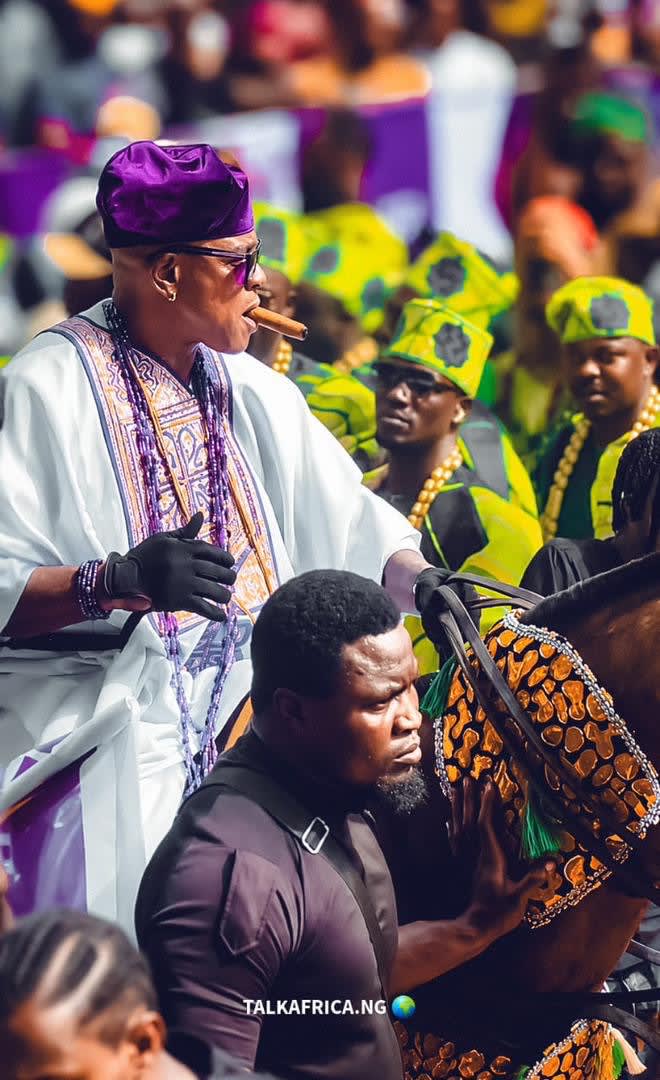
The Ojude Oba festival is one of those moments where culture doesn’t just show up; it arrives fully dressed, highly intentional, and impossible to ignore.
Held in Ijebu Ode, this annual gathering is far more than a celebration, it is a visual expression of Yoruba identity at its finest. Beyond the horses, the coordinated groups, and the royal homage, the true star of the day is always the fashion. But this isn’t just clothing. This is fashion as a language, as pride, and as pure presence.
The real beauty of Ojude Oba lies in how precise the styling is. The moment the different groups arrive, you see an incredible sense of coordination.
Colors have been carefully picked, fabrics thoughtfully chosen, and silhouettes structured to command the room.
• Rich Aso-oke flows across shoulders
• Agbadas move with quiet authority, and dresses are tailored to perfection.
Every single outfit feels complete.
What stands out immediately is the colour story. It is bold, vibrant, and completely unapologetic. Rich blues, deep reds, royal purples, and radiant golds fill the space. Instead of clashing, they harmonise perfectly.
It is a reminder that African fashion doesn't shy away from color; it uses it to tell a story of identity. What truly elevates these looks, though, is the personal styling. It’s in the details and the attitude. You see bold sunglasses paired with traditional coral beads, caps tilted at just the right angle, and statement shoes.
Nothing feels random. Every accessory contributes to the overall look. This is where clothing becomes a powerful presentation of who you are.
Ojude Oba has quietly become a massive runway of its own, a place where traditional fabrics meet contemporary design, and where designers push boundaries without losing their roots. It keeps Yoruba fashion alive and moving forward, rather than stuck in the past.
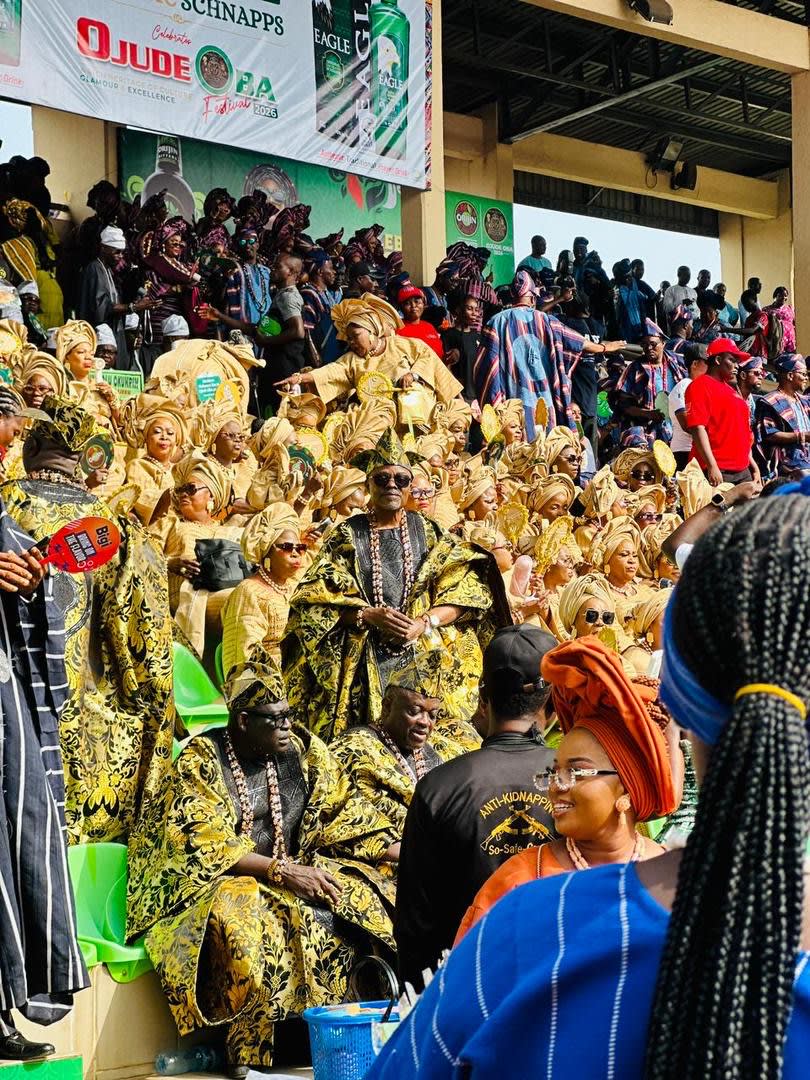
What makes this even more powerful is the sense of collective identity. When these groups dress in beautifully coordinated outfits, they represent more than just good style. They represent unity, pride, and a deep sense of belonging. It is fashion as a shared experience.
In a world where trends come and go in a flash, Ojude Oba reminds us of something deeper: that culture is never outdated, tradition is not limiting, and African fashion is second to none.
It is bold, it is evolving, and it is leading the way. At Ojude Oba, fashion doesn't whisper; it shows up fully styled, fully rooted, and fully aware of its power.
©️2026 Joy Popoola | TalkAfricang.com

Comments (0)
Leave a Comment