
TALKAFRICANG • CULTURE & HERITAGE
Beyond the Benue Valley: The Timeless Mystique and Pride of the Idoma
In the lush heart of central Nigeria lives a community whose identity is worn like a badge of honour, woven in fiery red, grounded in deep black, and guarded by an unspoken reverence for their ancestors.
By Oluwafemi Soyoye | 19 October 2026
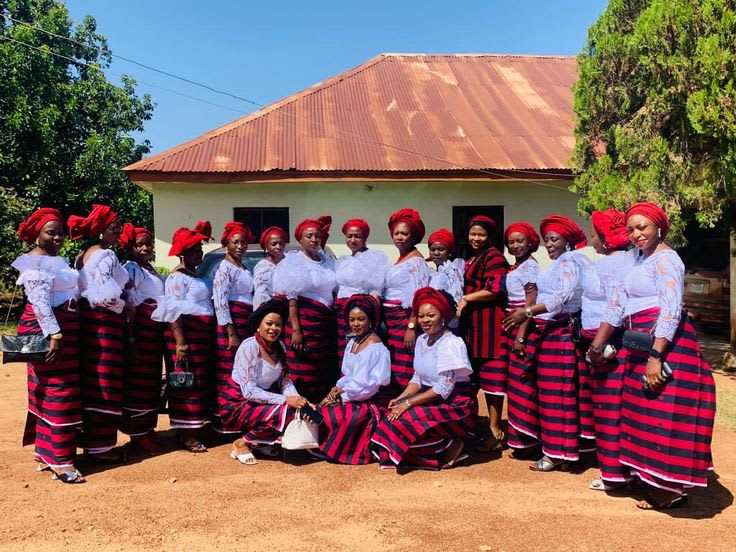
If you have ever attended a bustling gathering in Makurdi, Otukpo, or Abuja, you have almost certainly seen it: bold stripes of crimson red running side by side with jet black. Whether draped over a man’s shoulder as a proud sash, styled into an elegant wrapper, or tailored into a modern blazer, this fabric known as Apa or Edkwu turns heads every single time.
To an outsider, it is simply stunning cloth. But to any Idoma person, every single thread carries memory. The deep red remembers the courage of warrior ancestors who defended their land, while the black honors the fertile ground that feeds them and the unshakable bond of community.
While everyday conversations about Nigerian culture often focus on the big three, Yoruba, Igbo, and Hausa, the Idoma people of Benue State have quietly held onto one of the most fascinating, culturally rich ways of life in the country. From the lively streets of Otukpo to global music stages, they carry a quiet dignity and a heritage that refuses to be watered down.
The iconic red-and-black Apa fabric , a timeless visual symbol of Idoma courage, royalty, and solidarity

Roots & Origins: From Kwararafa to the Benue Basin
The story of the Idoma begins with long journeys and fierce determination. Centuries ago, their ancestors migrated from the ancient Kwararafa kingdom, a powerful confederacy that once stretched across vast parts of central and eastern Nigeria.
When that ancient realm began to break up, Idoma leaders, hunters, and families pushed westward into the lush plains of the lower Benue River basin. They set down roots in fertile homelands that we know today as Otukpo, Apa, Okpokwu, Ogbadibo, Oju, Ado, and Agatu.
Even through the upheaval of migrations and the arrival of British colonial rule, the Idoma never lost their community-first way of life. At the heart of their traditional leadership sits the Och’Idoma, the paramount monarch whose palace in Otukpo serves as the spiritual anchor of the entire land. For every Idoma native, the Och'Idoma isn't just a royal title; he is the living symbol of unity, tradition, and peace across every clan.
Idoma women in their cultural attire
The iconic red-and-black Apa fabric, a timeless visual symbol of Idoma courage, royalty, and solidarity
The Spiritual Anchor: The Law and Vigilance of Alekwu
Long before modern courts, police posts, or written statute books arrived in Nigeria, Idoma communities maintained remarkable law, order, and mutual respect. The secret lay in something deeply spiritual: Alekwu, the living presence of their ancestors.
In traditional Idoma thinking, fathers and grandmothers who pass away do not simply disappear; they become vigilant guardians watching over their children. During major seasonal festivals, this presence comes to life through the sacred Alekwu-Afia masquerade, which steps out to bless the community, speak truth, and resolve disputes.
Alekwu functioned as an incorruptible moral compass. It strictly forbade crimes like theft, murder, backstabbing a neighbour, or cheating on one's spouse. Because people believed that breaking these moral codes would bring bad luck or sickness upon an entire household, integrity wasn't an optional idea, it was built into everyday living. Even today, as many Idoma people embrace modern city life and Christianity, that deep-seated respect for ancestral truth still shapes how they carry their names.
The Alekwu-Afia masquerade: A revered ancestral presence that reminds the living of truth, justice, and community balance.
The Culinary Throne: The Art and Respect of Okoho Soup
You cannot truly claim to know the Idoma until you sit down in front of a piping-hot bowl of Okoho soup.
Forget your regular leafy stews, Okoho is in a class of its own. It is made from the fibrous bark of the wild Okoho plant (Cissus populnea). Preparing it is an exercise in pure patience: the outer bark is scraped, washed, and gently worked in warm water until it yields a rich, naturally thick, and slimy broth. Simmered with fermented locust beans (ogiri or dawa-dawa), dried bushmeat, smoked catfish, and spicy local peppers, it creates an earthy, mouthwatering flavour that you will never forget. Serving Okoho is the highest form of Idoma hospitality. It is the signature dish at traditional weddings and royal receptions, always served with hot, smooth pounded yam. Eating it is an art in itself: because of its slippery texture, traditional wisdom says you swallow the morsels whole rather than chewing. Beyond its unforgettable taste, grandmothers swear by its health benefits, using it for digestion, soothing stomach discomfort, and nursing new mothers back to strength.
Real Idoma hospitality: A royal bowl of draw-style Okoho soup paired with freshly pounded yam
A Modern Renaissance: Idoma Trailblazers on the World Stage
While remaining fiercely proud of their customs, the Idoma have given Nigeria and the world some of its most iconic trailblazers across music, film, and national life:
Innocent "2Baba" Idibia: Born in Okpokwu, 2Baba is an indisputable founding father of modern Afrobeats. From global anthems like African Queen to sold-out arenas across the globe, he has spent decades proudly wearing his Idoma roots on his sleeve, frequently rocking custom red-and-black Apa outfits at major international events.
Ada Ameh: The late Nollywood screen legend whose infectious laughter, warmth, and unmatched acting chops in hit productions like The Johnsons and Domitilla made her a household mother figure to millions of families across Africa.
Terry G (Gabriel Oche Amanyi): The unforgettable musical rebel and producer who single-handedly turbocharged the street-pop genre with raw energy, banging drums, and wild rhythm.
Susan Peters: Celebrated Nollywood star, producer, and style icon who frequently graces red carpets and runway events in breathtaking bespoke Idoma bridal wear and high-fashion Apa looks.
David Mark: Former President of the Nigerian Senate and retired Army Brigadier General from Otukpo, who stood as one of the longest-serving legislative leaders in Nigeria's modern democratic history.
The Living Pride
To take a trip into the Idoma homeland is to realize that true culture does not belong behind museum glass, it lives and breathes in the people who carry it.
From the quiet majesty of the palace in Otukpo to the vibrant red-and-black threads turning heads on university campuses, church halls, and social feeds, the Idoma remind us of something vital: you never have to abandon your roots to move into the future.
In a fast-changing world, the warriors in red and black still stand tall-grounded in their past, proud of who they are, and undeniably timeless.
#TalkAfricaNG #IdomaCulture #BeyondTheBenue #ApaCloth #OkohoSoup #Alekwu #BenueState #2Baba #AdaAmeh #SusanPeters #NigerianHeritage #AfricanCulture
Note for the editor on duty (not for publication)
Cultural and lifestyle feature on the Idoma people of Benue State. All historical, socio-cultural, and culinary details conform to Talk Africa NG editorial guidelines.


Comments (0)
Leave a Comment