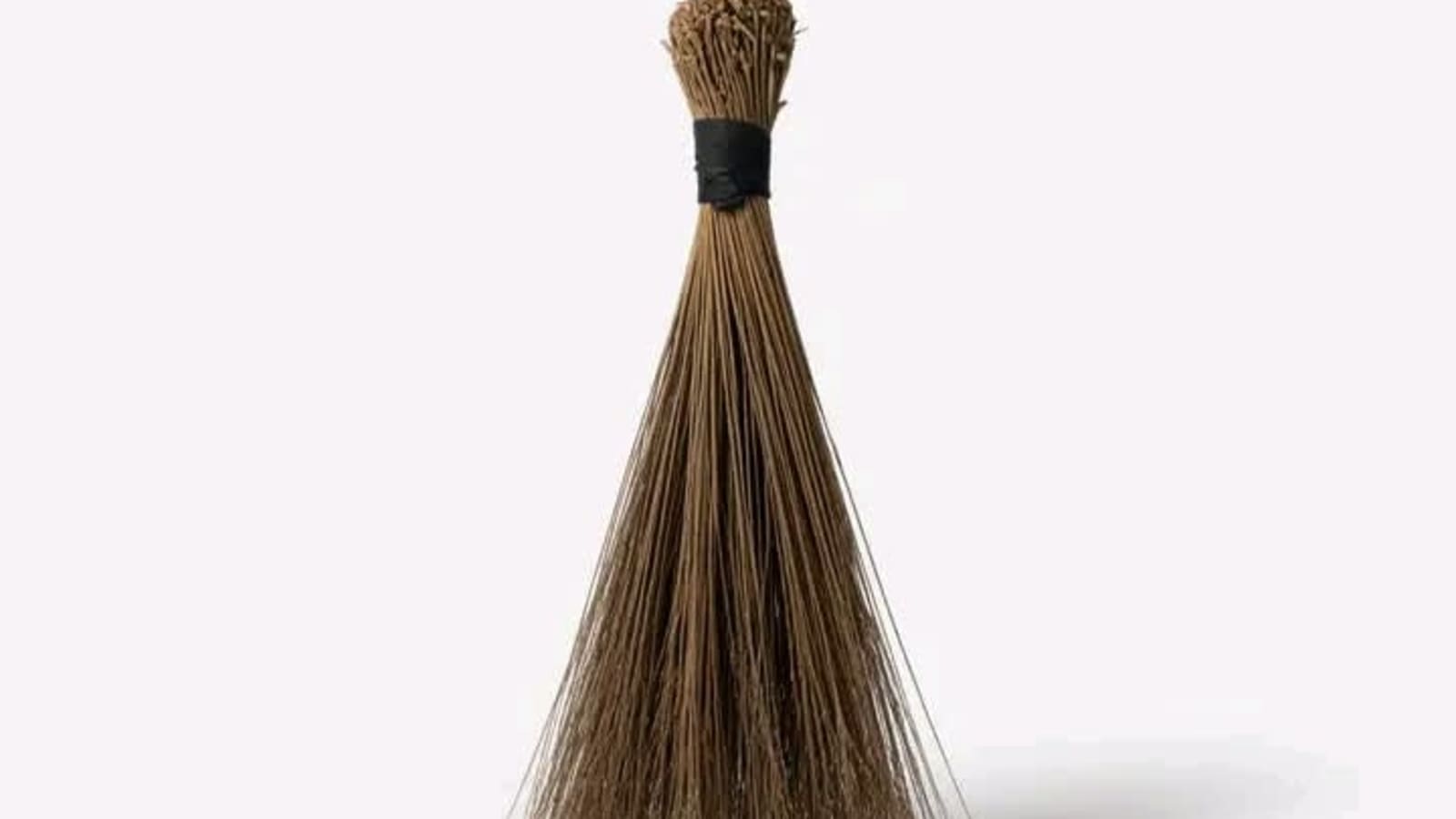
Don't Sweep Away Your Blessings: The Belief Behind Sweeping at Night
“Don't sweep at night. You will sweep away your blessings!”
If you grew up hearing this from a parent or grandparent, you probably remember how an ordinary attempt to clean the house could quickly turn into a warning. But have you ever stopped to wonder how a broom and a little dust became connected to a person's blessings?
In some Nigerian communities, sweeping at night is traditionally discouraged because it is associated with bad luck, poverty and misfortune. It is a familiar belief in some households, passed down through generations, but the reasons behind it are not always explained.
More Than a Household Rule
A 2017 study by Ogheneriere Ibodje Roberts and Chukwunenye I. Okereke examined cultural beliefs about household waste management in selected communities in Rivers State, Nigeria.
The researchers explored how traditional beliefs influenced the way people handled and disposed of household waste. Their findings documented cultural rules surrounding waste disposal, including practices connected with nighttime sweeping and the belief that it could bring misfortune.
This offers a glimpse into how something as ordinary as cleaning a home can carry meanings beyond keeping a space tidy. However, the findings relate to the communities studied; they should not be taken to mean that every Nigerian shares the belief.
Why Does the Time Matter?
One possible explanation is practical. Sweeping in poor lighting can make it easier to overlook small but valuable items and accidentally throw them away with the rubbish.
It is easy to see how a warning against nighttime sweeping might help prevent such mistakes. However, this is only a possible explanation, not a confirmed account of how the belief originated.
For some people, the warning carries spiritual meaning. Others may simply be repeating what they heard growing up, while some may not believe it at all.
When Beliefs Pass From One Generation to Another
Cultural beliefs often survive through simple, everyday conversations. A child hears a warning from an older relative, remembers it and may eventually repeat it to someone else. Over time, the words become familiar, even when their original meaning is no longer clear.
People may continue such practices because they believe in them, respect their elders or simply feel comfortable following familiar household traditions.
There is no established evidence that sweeping at night literally takes away someone's blessings or causes poverty. Still, the belief offers an interesting way to explore how culture shapes everyday life and how lessons from one generation become part of another's upbringing.
So, the next time someone tells you not to sweep at night, perhaps the more interesting question is this: How many things do we still practise today because someone taught them to us years ago?
Sometimes, even the simplest household rule carries a story worth exploring.
Reference
Roberts, O. I., & Okereke, C. I. (2017). Cultural beliefs on waste and the need for integration into present domestic waste management: Evidence from selected communities in Rivers State, Nigeria. International Journal of Social Sciences and Management Research, 3(6), 1–12.
Read the original paper: IIARD Journals — Original Research Paper
Verify the publication details: IIARD Journals — Article Abstract and Authors



Comments (0)
Leave a Comment