
Off the restless waters of Cape Town lies a silent witness to centuries of pain, resistance, and eventual triumph. Robben Island is not just land surrounded by sea; it is a living memory of oppression turned into a monument of human strength.
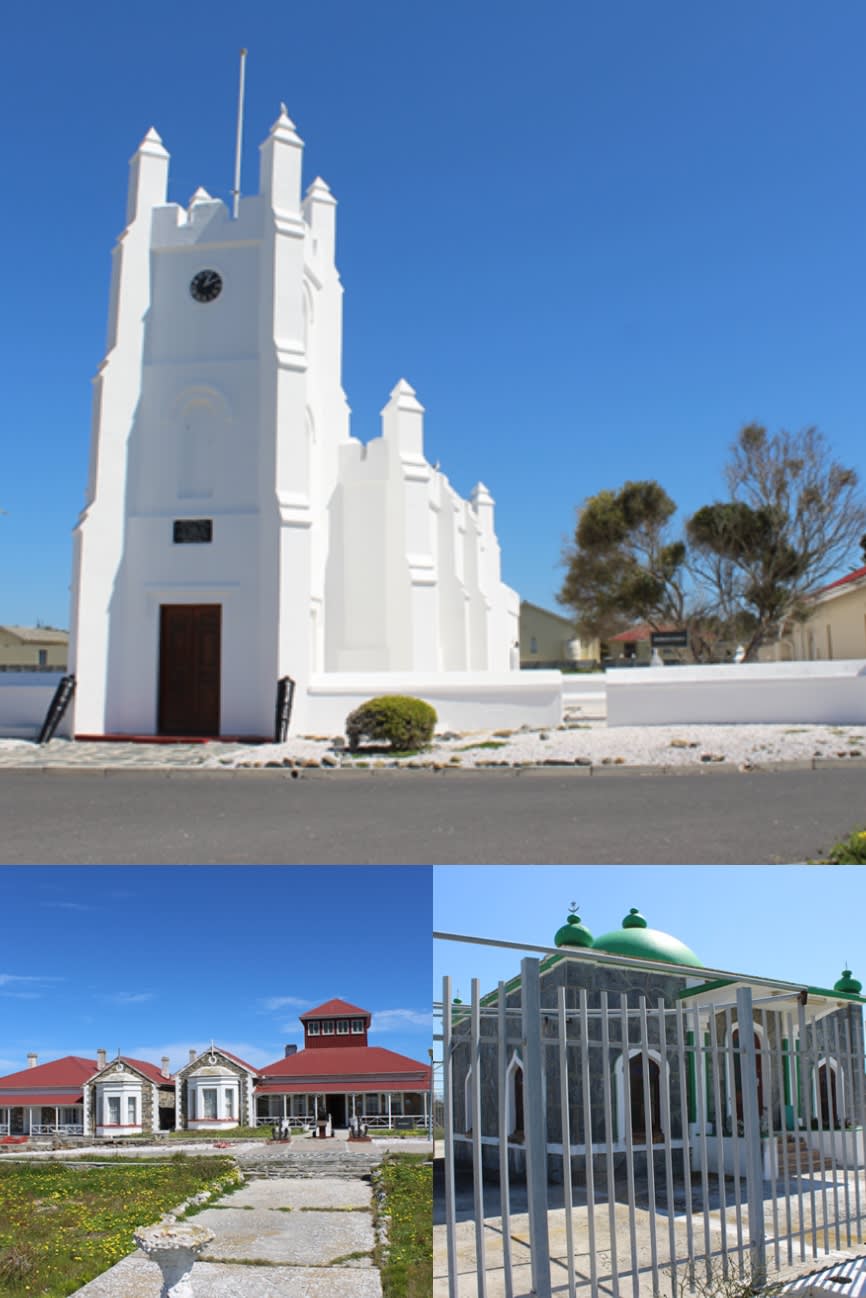
Robben Island’s story stretches far before the modern era. When Dutch settlers arrived in the 17th century, the island became a place of exile. Those who challenged authority, political leaders, freedom fighters, and even the mentally ill were cast away from society and sent across the cold Atlantic currents. The island became a prison not only of walls, but of distance and isolation. Over time, it evolved into a maximum security prison under apartheid, South Africa’s darkest chapter of institutionalized racial segregation.
This island carries the weight of names that shaped history. Among them stands Nelson Mandela, who spent 18 of his 27 years of imprisonment here. Inside a small, bare cell, he endured harsh conditions, forced labor in limestone quarries, and the stripping away of basic human dignity. Yet even in confinement, the spirit of resistance was not broken. The prison became what many now call a “university of struggle,” where inmates taught each other politics, philosophy, and the vision of a free South Africa.
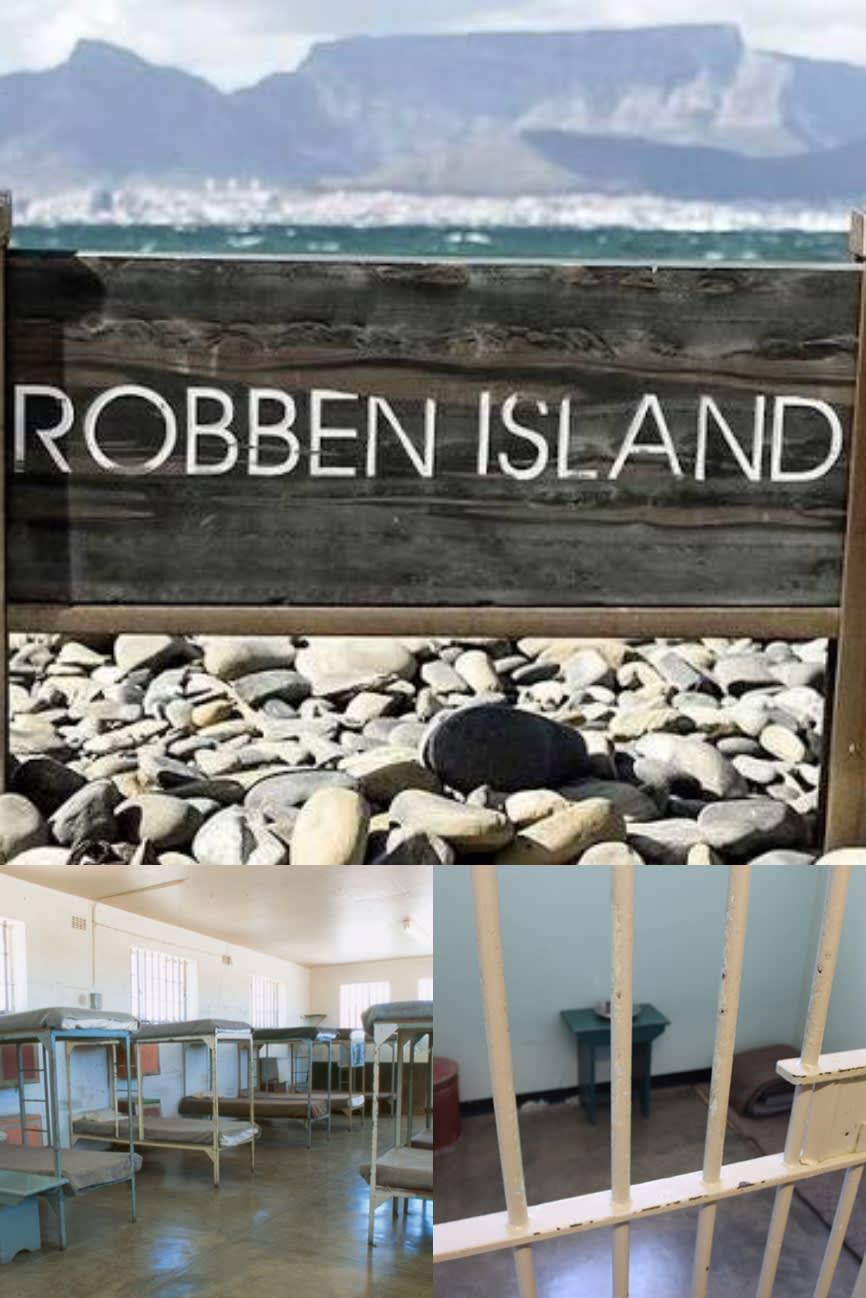
Robben Island was not only a site of punishment; it was a battlefield of the mind. Prisoners resisted in quiet, powerful ways by learning, organizing, and refusing to let oppression define their worth. The authorities controlled their bodies, but never their ideas. That is where the system failed.
In 1996, after the fall of apartheid, Robben Island was transformed from a prison into a museum. By 1999, it was declared a UNESCO World Heritage Site, recognized globally for its historical significance. Today, former prisoners themselves guide visitors through its corridors, turning pain into education and memory into purpose.
There is something deeply symbolic about this island. Water once separated the prisoners from freedom, yet today it draws the world closer to their story. The same waves that echoed loneliness now carry voices of reflection.
Robben Island stands as a reminder that systems built on injustice will eventually fall, but the human spirit, when rooted in truth and resilience, will always rise. It asks a hard question without speaking: if men could endure this and still dream of freedom, what excuse do we have to settle for less in our own time?
© 2026 Ikeun Divine Michael | TalkAfricang.com


Comments (0)
Leave a Comment