Nigeria's biggest problem in global trade isn't tariffs or policy. It's what happens at the port gate. BUA Group's new terminal expansion is a private company doing something the country's own infrastructure has struggled to deliver.
The BUA Group corporate logo. (Source: BUA Group)
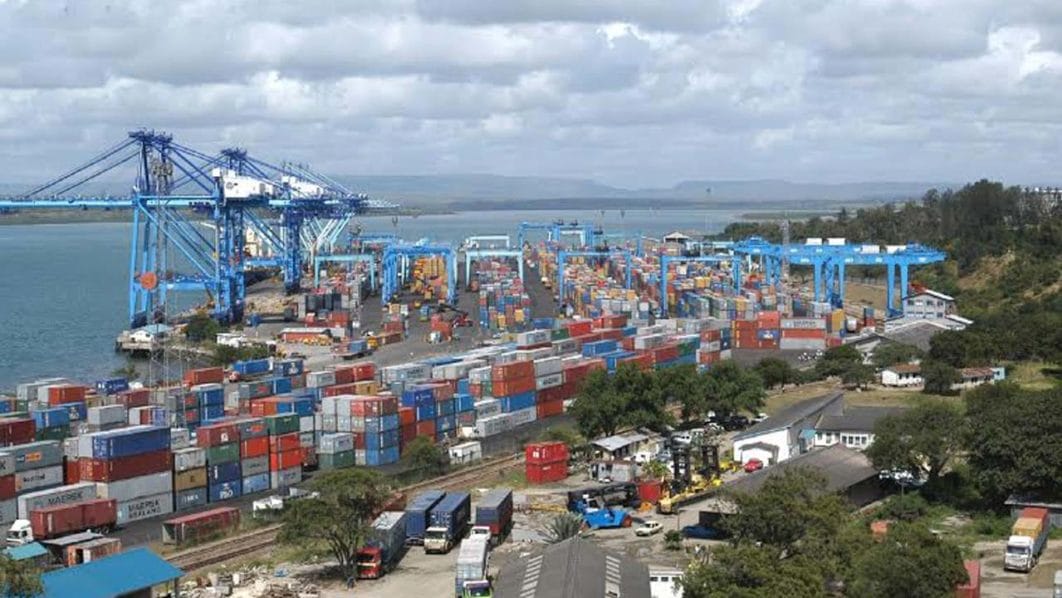
An aerial view of a Nigerian container port. (Source: The Guardian Nigeria News)
BUA Group is investing about $85 million to expand its Ports and Terminals facility in Port Harcourt, adding roughly 600 metres of new quay frontage and positioning the terminal to handle more than 2 million tonnes of imported raw materials a year. Chairman Abdul Samad Rabiu disclosed the figures during a visit to the Nigerian Ports Authority's Lagos headquarters in late July, where NPA managing director Dr Abubakar Dantsoho projected the expansion would drive 13 to 14 percent growth in cargo throughput once complete.
On paper, that reads like a routine corporate infrastructure update. It isn't. To understand why, you have to understand what Nigeria's ports currently cost the country just to operate.
THE PROBLEM THIS IS ACTUALLY SOLVING
Nigeria's seaports handle over 90 percent of the country's international trade, yet by the Nigerian Ports Authority's own admission, they capture only about 25 percent of West Africa's total cargo traffic despite Nigeria accounting for roughly 60 percent of the region's GDP. That gap is not a coincidence. It is congestion, inadequate infrastructure, and fragmented processes, and the cost is measured in real money: PwC Nigeria estimates port inefficiencies cost the economy ₦2.5 trillion annually, while the Lagos Chamber of Commerce and Industry puts direct business losses from port delays and extra charges at roughly $10 billion a year. A separate industry estimate from the Chartered Institute of Logistics and Transport puts congestion-related losses above $10 billion annually as well, with customs clearance in Nigeria taking 15 to 21 days against a global benchmark of two to three.
Apapa Port in Lagos, the country's busiest, has become the starkest symbol of the problem: container ships there take an average of 30 days to clear, compared to four days at Durban in South Africa. The U.S. Trade Representative's own 2025 review of foreign trade barriers singled out Apapa as one of the most expensive ports in the world for American shipments. Nigeria's overreliance on that single congested hub while ports in Onne, Calabar, Warri, and Port Harcourt remain underused relative to their potential has pushed shippers toward alternative West African routes through Ghana and Côte d'Ivoire, quietly costing Nigeria trade volume it should be capturing as the region's largest economy.
WHY EASTERN PORTS MATTER SPECIFICALLY
This is exactly the imbalance BUA's investment is aimed at correcting, even if that's not how the company has framed it publicly. Port Harcourt sits in Nigeria's eastern corridor, one of the underused alternatives to Lagos that logistics experts have repeatedly argued the country needs to develop if it wants to relieve pressure on Apapa and compete seriously under the African Continental Free Trade Area. NPA has explicitly said it wants to deepen private investment in the eastern ports for exactly this reason, and BUA has now become one of its most visible private partners in doing so, alongside its existing operations across food, cement, and mining.
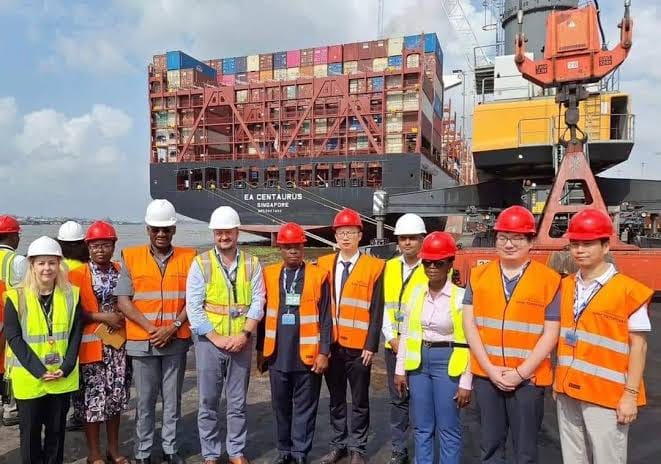
BUA Ports and Terminals staff with partners at the Port Harcourt facility, in front of the vessel EA Centaurus. (Source: BUA Group, official Facebook page)
The AfCFTA angle raises the stakes further. Nigeria's trade officials have warned that without better port infrastructure, the country risks being structurally unable to capture its share of a continental free trade zone it helped negotiate losing ground to smaller economies with more efficient logistics. A private terminal expansion that adds real throughput capacity, even a single facility, is a small but concrete step against a problem that has mostly generated reports and warnings rather than steel and concrete.
THE MAN AND THE MONEY BEHIND IT
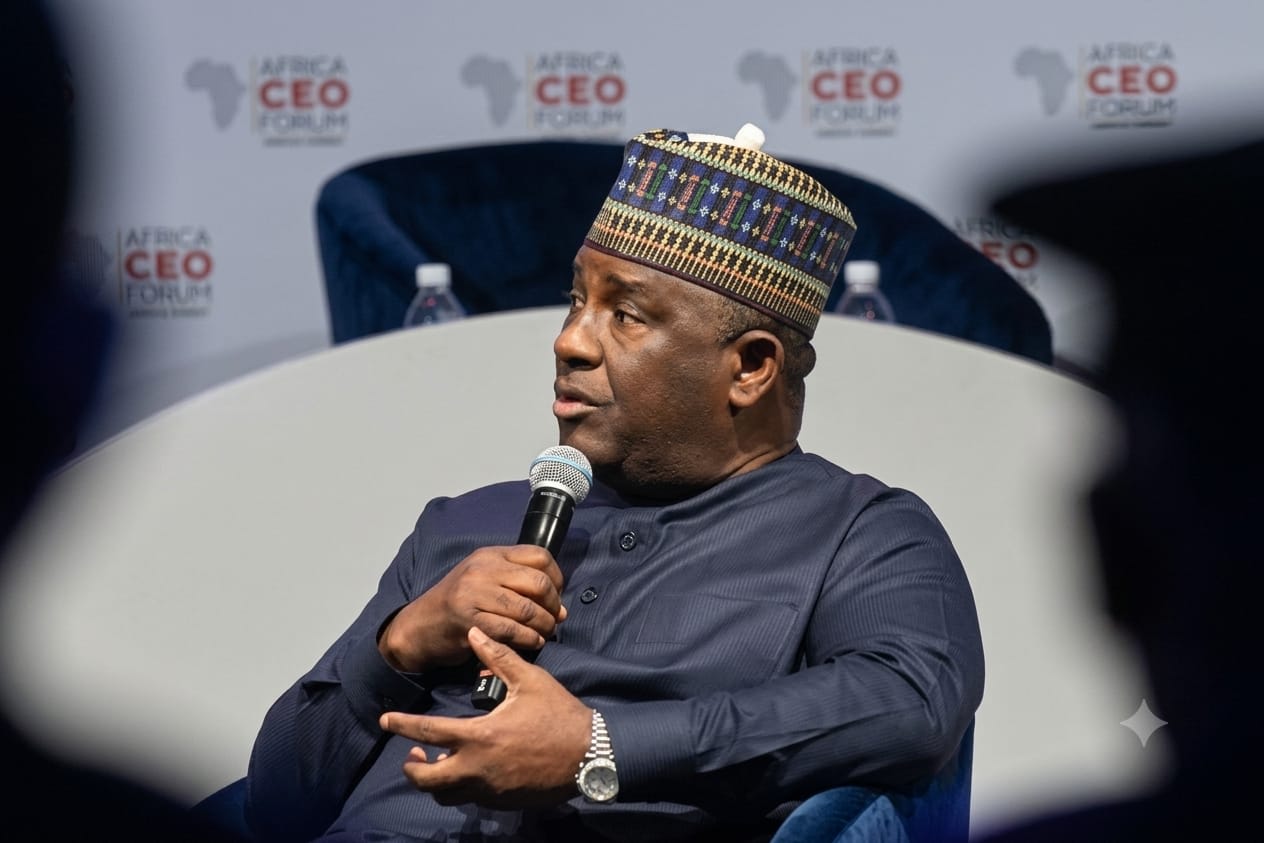
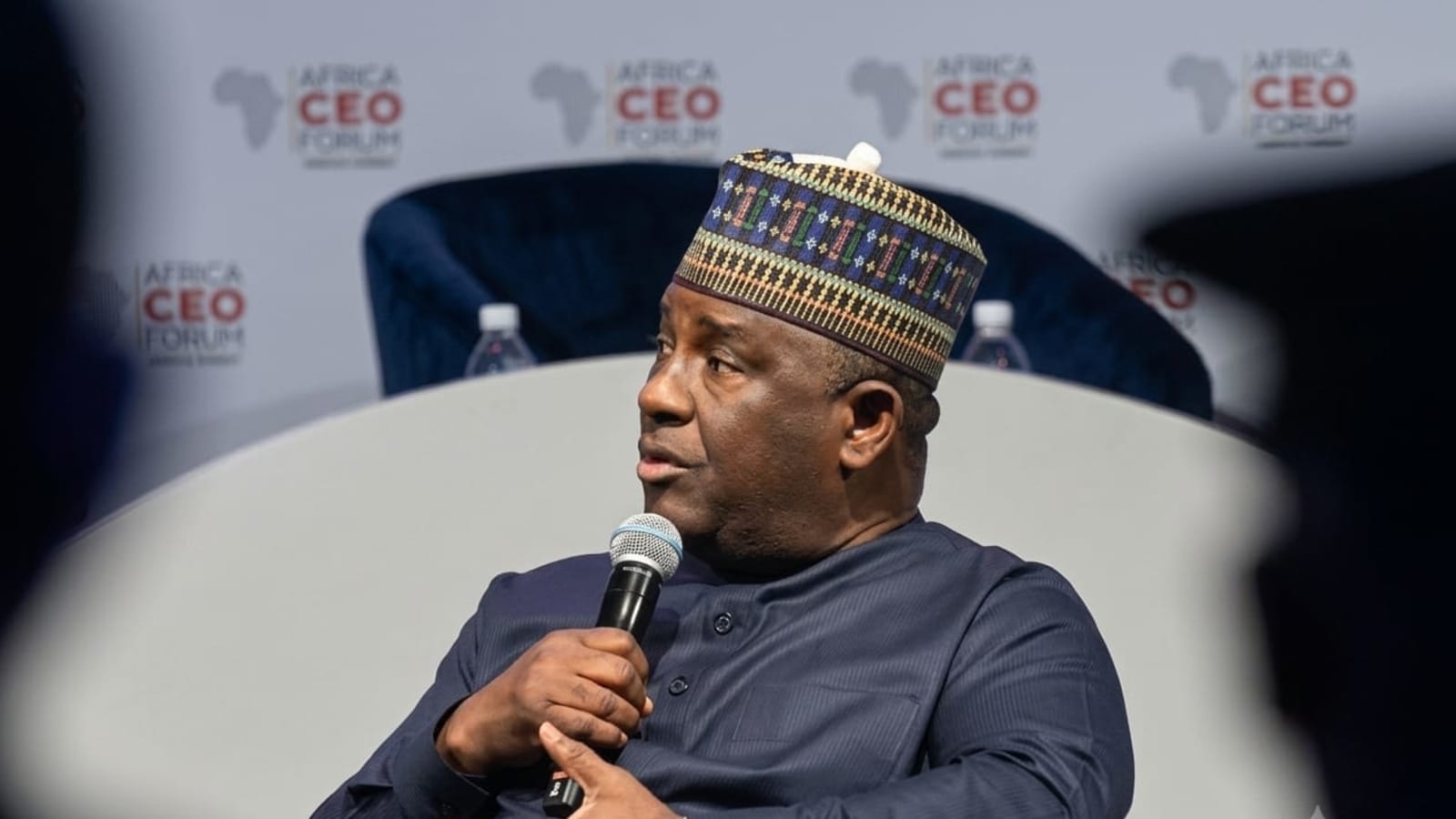
Abdul Samad Rabiu, chairman of BUA Group, speaking at the CEO Africa Forum. (Source: press photo, widely circulated in Nigerian business media coverage of BUA's port investment)
The expansion is being funded by Abdul Samad Rabiu, the Kano-born industrialist who built BUA Group from a 1988 trading business into a conglomerate spanning cement, food processing, sugar refining, and mining. He owns roughly 98 percent of the publicly listed BUA Cement and 95 percent of BUA Foods, and 2026 has been an extraordinary year for both: BUA Foods' first-quarter profit rose 14 percent year-on-year, while BUA Cement's more than doubled, up 117 percent. That performance has driven one of the fastest billionaire wealth climbs anywhere in the world this year Bloomberg's index tracked his net worth rising from roughly $10.4 billion in January to as high as $19 billion by May, briefly making him Africa's second-richest person behind Aliko Dangote, ahead of South Africa's Johann Rupert. Forbes's real-time tracker has placed him slightly lower, around $15 billion and third on the continent the kind of discrepancy that's normal between wealth indices but worth noting rather than picking one number to treat as final.
Whichever figure you use, the port expansion is a rounding error against it a fraction of a fraction of his current fortune. But that's arguably the point worth making to readers: this is what it looks like when private industrial capital, built on Nigerian manufacturing rather than imported wealth, gets reinvested directly into the physical infrastructure Nigerian trade actually needs, instead of sitting purely as shareholder value.
© 2026 Abdulmumin Ishola Olaleye | TalkAfricang.com


Comments (0)
Leave a Comment