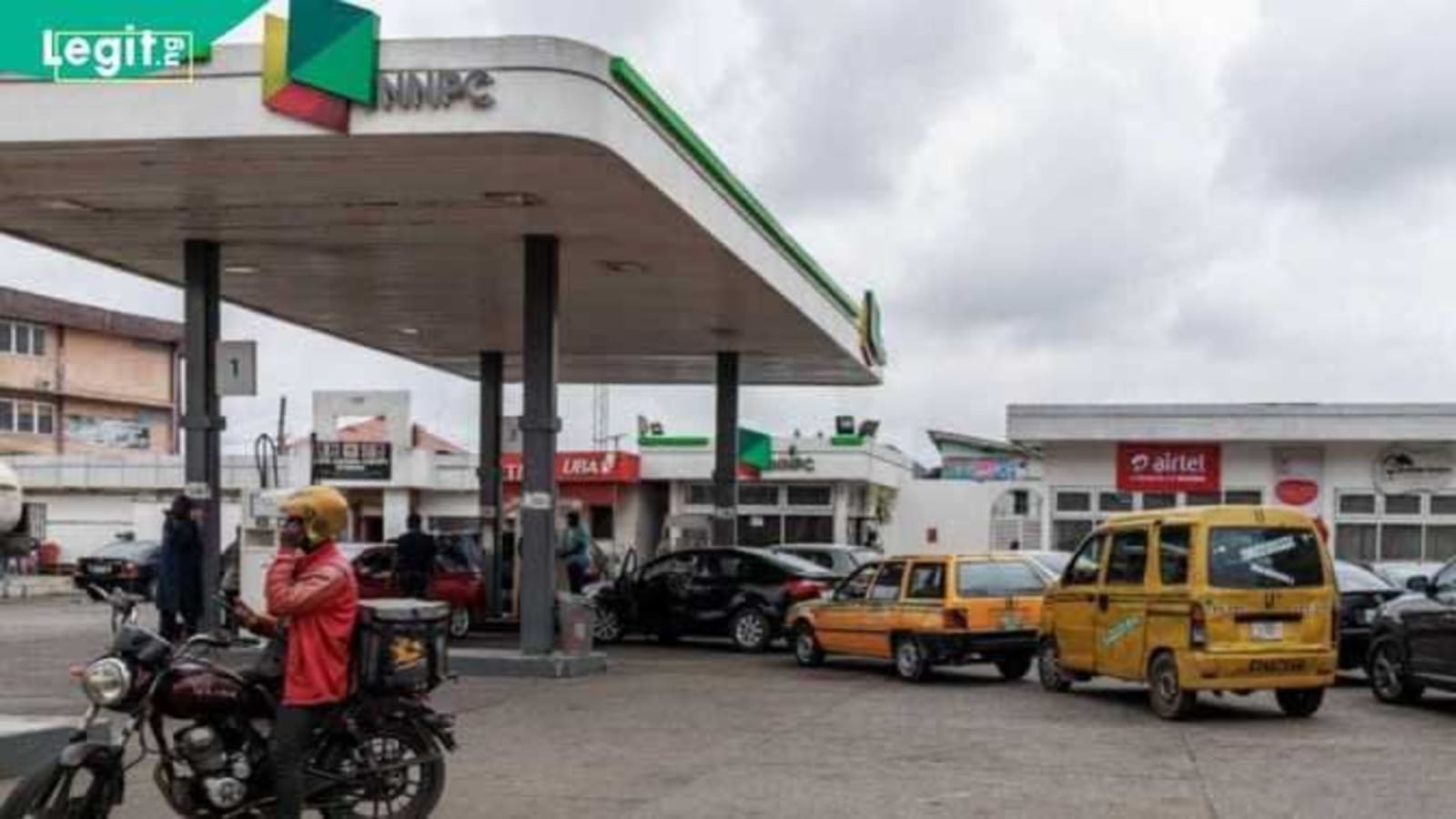
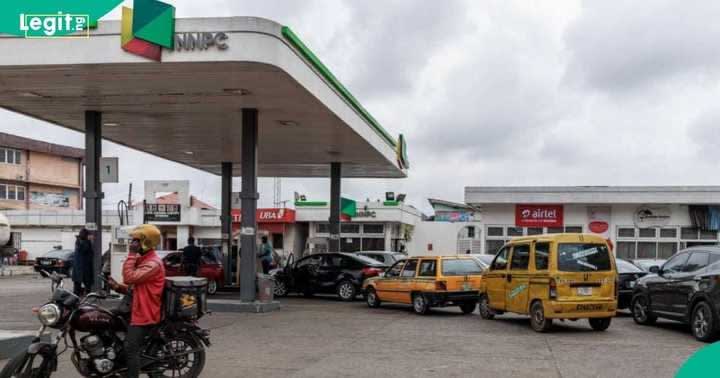
The Federal Government has announced a 30-day petrol discount through the Nigerian National Petroleum Company Limited (NNPC) as part of efforts to reduce the pressure of rising fuel prices on Nigerians.
The announcement was made on Thursday, October 8, 2026, by the Minister of Finance and Coordinating Minister of the Economy, Taiwo Oyedele, during a briefing in Abuja. He explained that NNPC Retail would temporarily give up its retail profit margin and sell petrol at cost, with priority given to public transport operators across the country.
“We are offering a discount on petrol dispensed by NNPC Limited for the next 30 days in the first instance with priority for public transporters nationwide,” Oyedele said, adding that the arrangement was not a return to fuel subsidy but an effort to sell petrol at cost.
The move comes as rising global crude oil prices continue to affect the cost of petrol and place additional pressure on households, transport operators and businesses. For many Nigerians, higher fuel prices have contributed to increased transportation costs and the rising prices of goods and services.
In a statement issued on Friday, October 9, NNPC clarified that its petrol discount had initially been introduced on October 1 to mark Nigeria’s 66th Independence Anniversary. The company said the N66-per-litre discount would continue until October 31, 2026, at NNPC Retail stations nationwide.
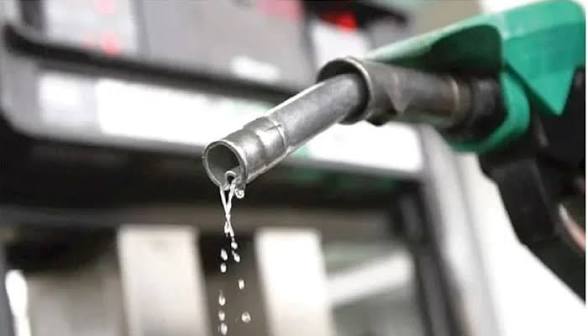
NNPC stressed that the discount should not be mistaken for the reintroduction of fuel subsidy, which the Federal Government removed in May 2023. According to the company, the reduction would come from its retail profit margin rather than government funds.
The distinction is important because the current arrangement does not mean that the government will pay part of the cost of petrol as it did under the former subsidy system. Instead, NNPC is temporarily reducing the amount it earns from selling the product to provide some relief to consumers.
The government has also proposed a measure to limit petrol prices to about ₦1,350 per litre at the supply level, with refiners and importers expected to absorb temporary increases in costs and recover them when market conditions improve. However, the proposal is not a fixed pump price for every filling station in Nigeria, as retail prices may still differ depending on supply costs and location.
Although the discount is expected to offer some relief, its impact will depend on how effectively it reaches consumers. Giving priority to public transport operators could help ease some transportation costs, but it does not automatically mean that transport fares will fall. Similarly, any reduction in the cost of moving goods would not necessarily lead to an immediate decrease in market prices.
For now, the discount is limited to NNPC Retail outlets and does not establish a uniform petrol price across the country. Nigerians will therefore need to check prices at participating stations rather than assume that petrol will cost the same everywhere.
While the initiative offers temporary relief amid rising fuel costs, the bigger question remains whether measures like this will be enough to ease the wider cost-of-living pressure facing households and businesses across the country.
© 2026 Aliu Azeema |
TalkAfricang.com

Comments (0)
Leave a Comment