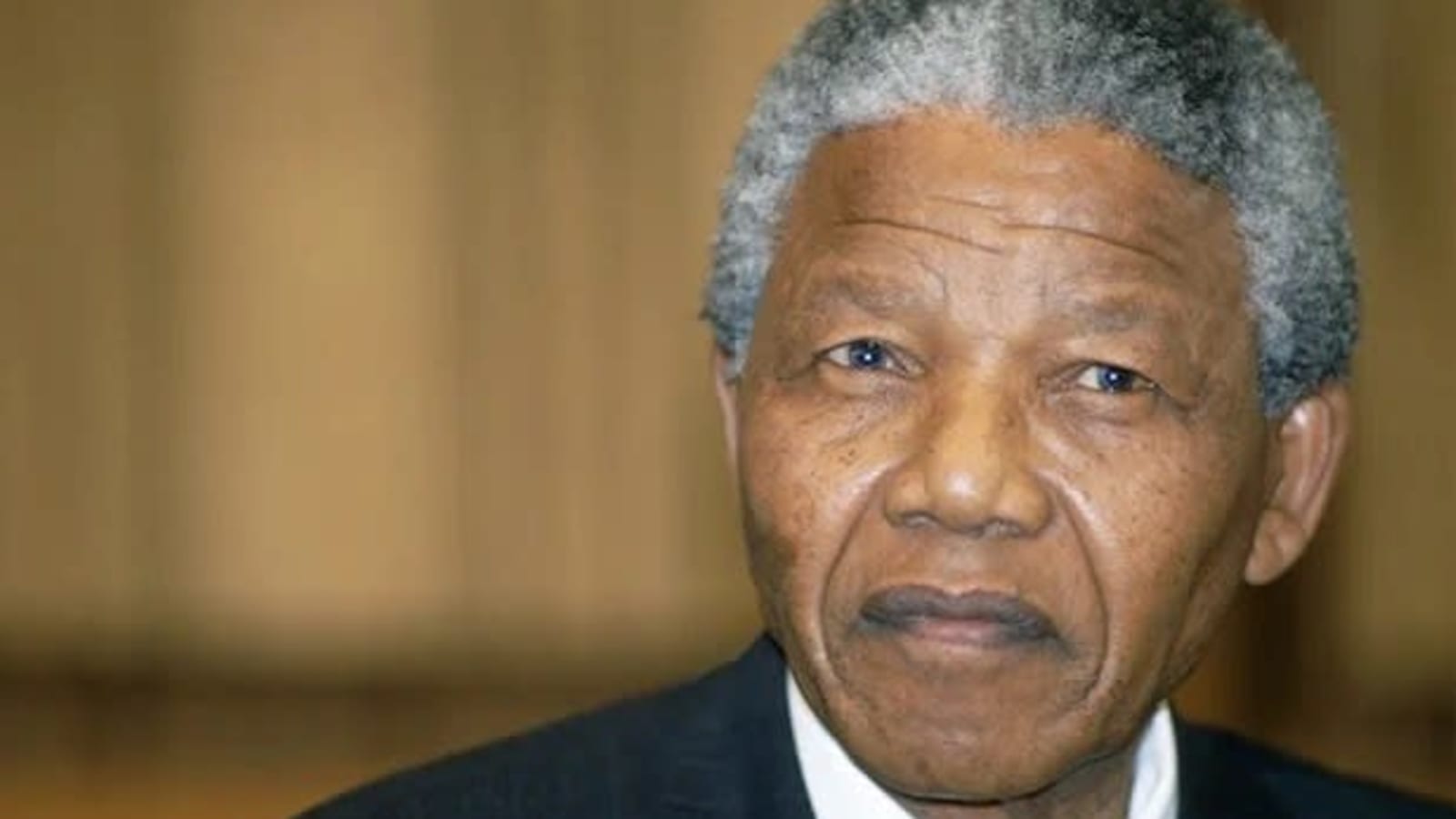
From Prison to Presidency
Nelson Mandela was born in 1918 in a small village in South Africa where life was simple but the country was not. Some people are known because they hold power, others are known because they change how people are treated, and Nelson Mandela falls into the second group.
As he grew older, he saw a system that treated people differently because of their skin, and he chose to study law so he could stand with those who were pushed aside. He studied law at the University of Fort Hare and later the university of witwatersrand.

Nelson Mandela as a young Lawyer
At that time, South Africa was ruled by apartheid, a policy of racial segregation that oppressed the black majority. Mandela could see the unfairness and he refused to accept it as normal.
He joined the African National Congress and worked with others to challenge those laws, they organised protests, spoke up, and demanded change. The government reacted by arresting him in 1962, and in 1964 he was sentenced to life in prison.

Mandela in prison
He spent a total of 27 years in prison, including the time in detention before his trial, separated from his family and from normal life, but his name kept travelling beyond the prison as people across the world called for his release and for an end to apartheid.
On February 11, 1990, he was released, and the country began to shift, four years later South Africa held its first election where everyone could vote and Mandela became the first Black president of the country.

Nelson Mandela as a President
When he came into power, he focused on bringing people together and helping a divided nation learn how to live side by side again. He led for one term and then stepped down.
He spent the rest of his life speaking about fairness, dignity, and peace until he died on December 5, 2013, at the age of 95.
His life shows what it looks like when one person stands against an unfair system. It also shows what leadership can look like when power is used to bring people together instead of tearing them apart.
2026 Bernice Temitayo Olusaiye | Talkafricang.com


Comments (0)
Leave a Comment