
Malaria remains one of the leading causes of illness and death among children in many parts of Africa. Although significant progress has been made in malaria control, millions of children are still at risk, especially during periods when malaria transmission is at its highest. One of the most effective strategies for protecting children during these high-risk periods is Seasonal Malaria Chemoprevention (SMC).
What Is Seasonal Malaria Chemoprevention?
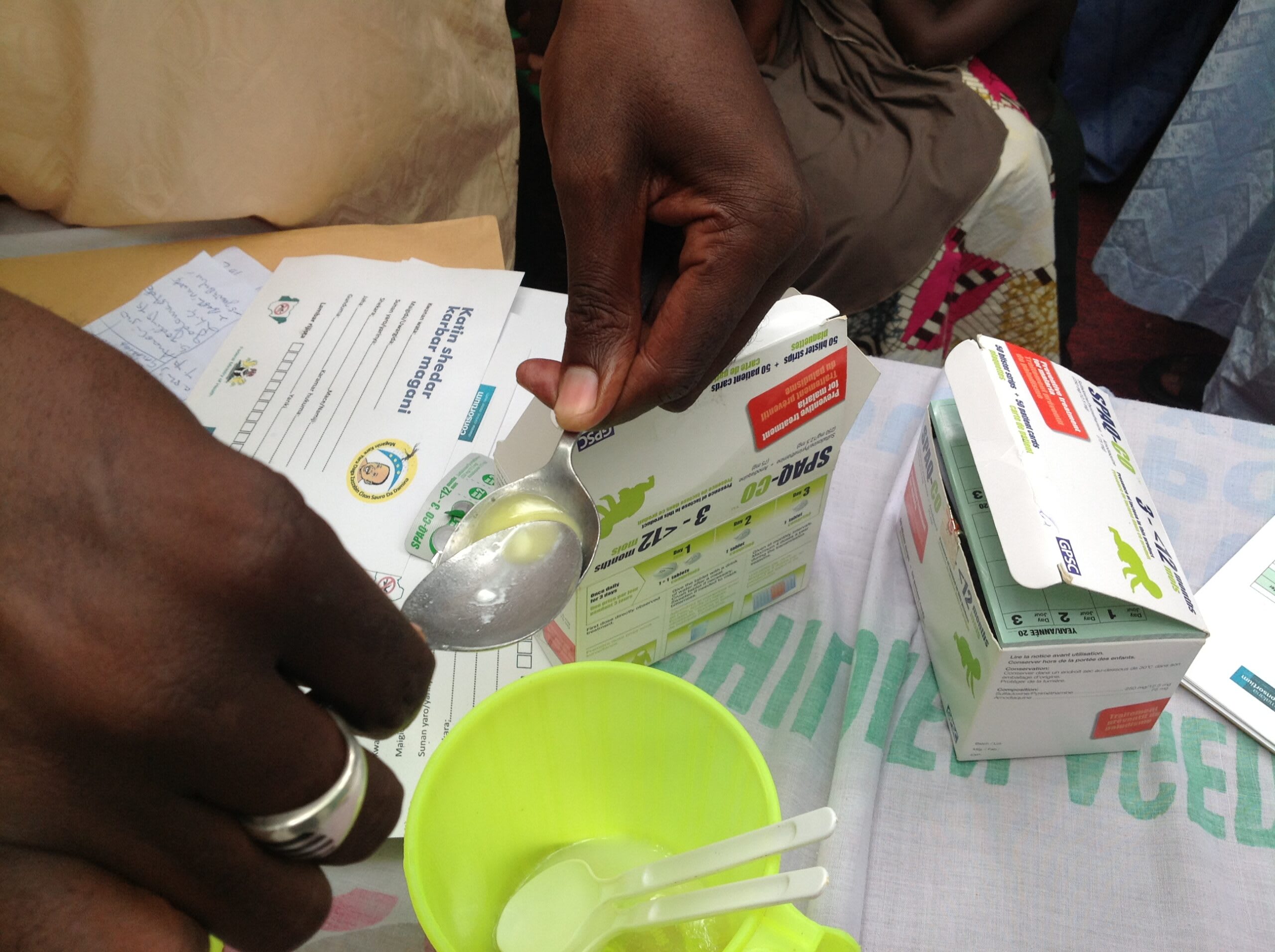
Seasonal Malaria Chemoprevention (SMC) is a preventive public health intervention that involves giving antimalarial medicines to children at regular intervals during the malaria transmission season. The goal is to maintain protective levels of medication in the child's bloodstream, reducing the likelihood of malaria infection.
The treatment is typically administered every 28 days throughout the peak malaria season. By providing continuous protection during the months when malaria risk is greatest, SMC helps prevent illness, hospitalizations, and deaths among children.
Why Is SMC Important?
Malaria transmission in many regions is seasonal, often increasing during and after the rainy season. During this period, mosquito populations grow rapidly, leading to a surge in malaria cases.
Children under five years of age are particularly vulnerable because their immune systems are not yet fully developed. SMC provides an additional layer of protection, helping to keep children healthy during these critical months.
How Does SMC Work?
SMC involves administering a full course of recommended antimalarial drugs to eligible children once every month during the malaria season. These medicines remain in the bloodstream and provide protection against malaria parasites.
The process is repeated in cycles, usually lasting three to five months depending on the area's malaria transmission pattern. Health workers and trained community distributors often deliver the medicines directly to households, making the intervention accessible to families.
Benefits of Seasonal Malaria Chemoprevention
The benefits of SMC are significant and well documented:
- Reduces malaria infections among children.
- Lowers the number of severe malaria cases.
- Decreases hospital admissions related to malaria.
- Reduces child mortality associated with malaria.
- Supports healthier communities and reduces the burden on healthcare facilities.
The Role of Communities
The success of SMC depends heavily on community participation. Parents and caregivers play a vital role by ensuring that eligible children receive every scheduled dose during the malaria season.
Community awareness campaigns, healthcare workers, and local leaders also contribute to increasing acceptance and coverage of the intervention.
Conclusion
Seasonal Malaria Chemoprevention is one of the most effective tools available for protecting children from malaria in areas where transmission is seasonal. By providing preventive treatment during high-risk periods, SMC saves lives, reduces illness, and contributes to healthier communities.
As efforts to eliminate malaria continue, increasing awareness and participation in Seasonal Malaria Chemoprevention programmes will remain essential in safeguarding the health of children and reducing the burden of malaria across affected regions.
©2026 Ukachi Rejoice| TalkAfricang.com


Comments (0)
Leave a Comment