
 Kwame Nkrumah Memorial Park is not just a tourist site in Accra, Ghana—it is a political altar, a quiet ground where Africa’s modern freedom story kneels. Built to honor Dr. Kwame Nkrumah, Ghana’s first Prime Minister and President, the park stands on the very soil where he declared Ghana’s independence in 1957. This place doesn’t whisper history; it speaks it plainly.
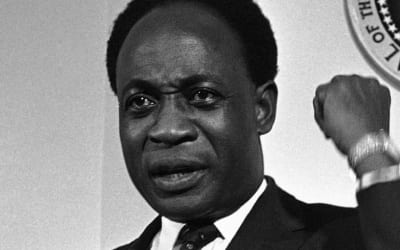
Kwame Nkrumah was more than a national leader. He was a continental thinker, a Pan-African firebrand who believed Africa could only rise if it rose together. The park was established after his death to preserve his legacy and remind generations that freedom is not a gift—it is a fight, carefully won and easily lost.

At the heart of the park lies Nkrumah’s mausoleum, designed like an upside-down sword, symbolizing peace after struggle. Beneath it rest Nkrumah and his wife, Fathia. Surrounding it is a reflective pool, calm but deliberate, as if urging visitors to pause and think. The museum within the park holds his personal items, speeches, photographs, and writings—receipts of a life spent challenging colonial dominance and Western control.
The park also tells the story of exile and betrayal. Nkrumah was overthrown in 1966 while abroad, a reminder that revolutionary ideas often scare even those they liberate. Yet history has been kind to him. Time exposed the vision people once doubted: African unity, self-determination, economic independence.

Culturally, the park has become a pilgrimage site. Students, activists, tourists, and leaders walk its paths, not just to learn about Ghana, but to understand Africa’s unfinished business. It stands as a bridge between past resistance and future responsibility.
Here, stone remembers what people forget.
Here, freedom stands still long enough to be studied.
Kwame Nkrumah may be buried, but his ideas refuse the ground—
they rise, demanding that Africa finish the sentence he began.
Ikeun Divine Michael
©2025 |TalkAfrica.ng

Comments (0)
Leave a Comment