
When you hear the word pizza, you might immediately think of a round Italian dish covered with tomato sauce, cheese, and other toppings. But in Zanzibar, Tanzania, pizza means something completely different and incredibly delicious.
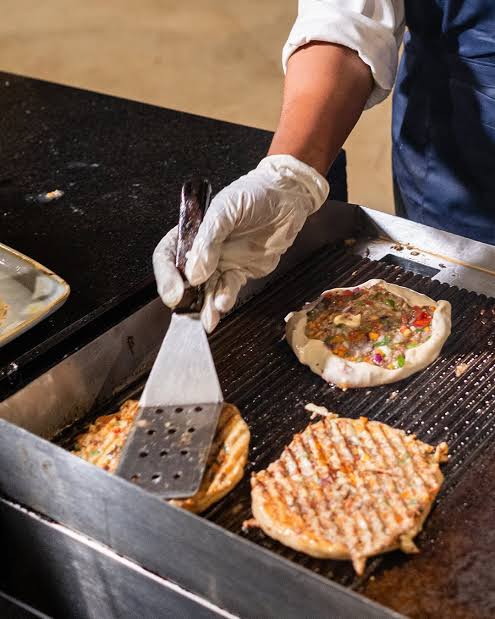
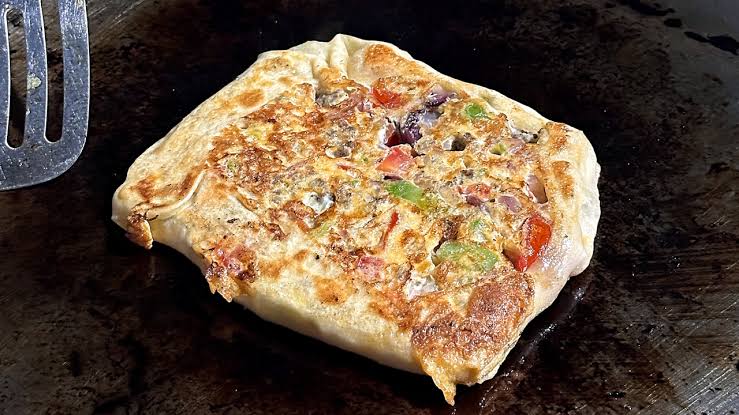
Zanzibar Pizza is a popular street food made from thin dough that is filled with different ingredients, folded into a square parcel, and fried on a hot metal pan with oil. It can be filled with minced meat, onions, peppers, eggs, vegetables, cheese, or even sweet ingredients. Crispy on the outside and soft and flavourful inside, it has become one of the foods most closely associated with Zanzibar's vibrant street-food culture.
Zanzibar Pizza originated in Zanzibar, an island region of Tanzania known for its rich Swahili culture and centuries of interaction with different parts of the world.
The exact history of the dish is not completely documented, but its development is commonly associated with the cultural influences that have shaped Zanzibar's cuisine. The islands have historically been an important centre of trade across the Indian Ocean, bringing African, Arab, Persian, Indian, and other influences into contact.
Zanzibar Pizza reflects this cultural mixture. While its name and some aspects of its preparation resemble pizza, its ingredients, cooking technique, and style are distinctly connected to East African and Swahili street-food traditions.
What Makes Zanzibar Pizza Different?
The biggest difference between Zanzibar Pizza and conventional pizza is the way it is prepared.
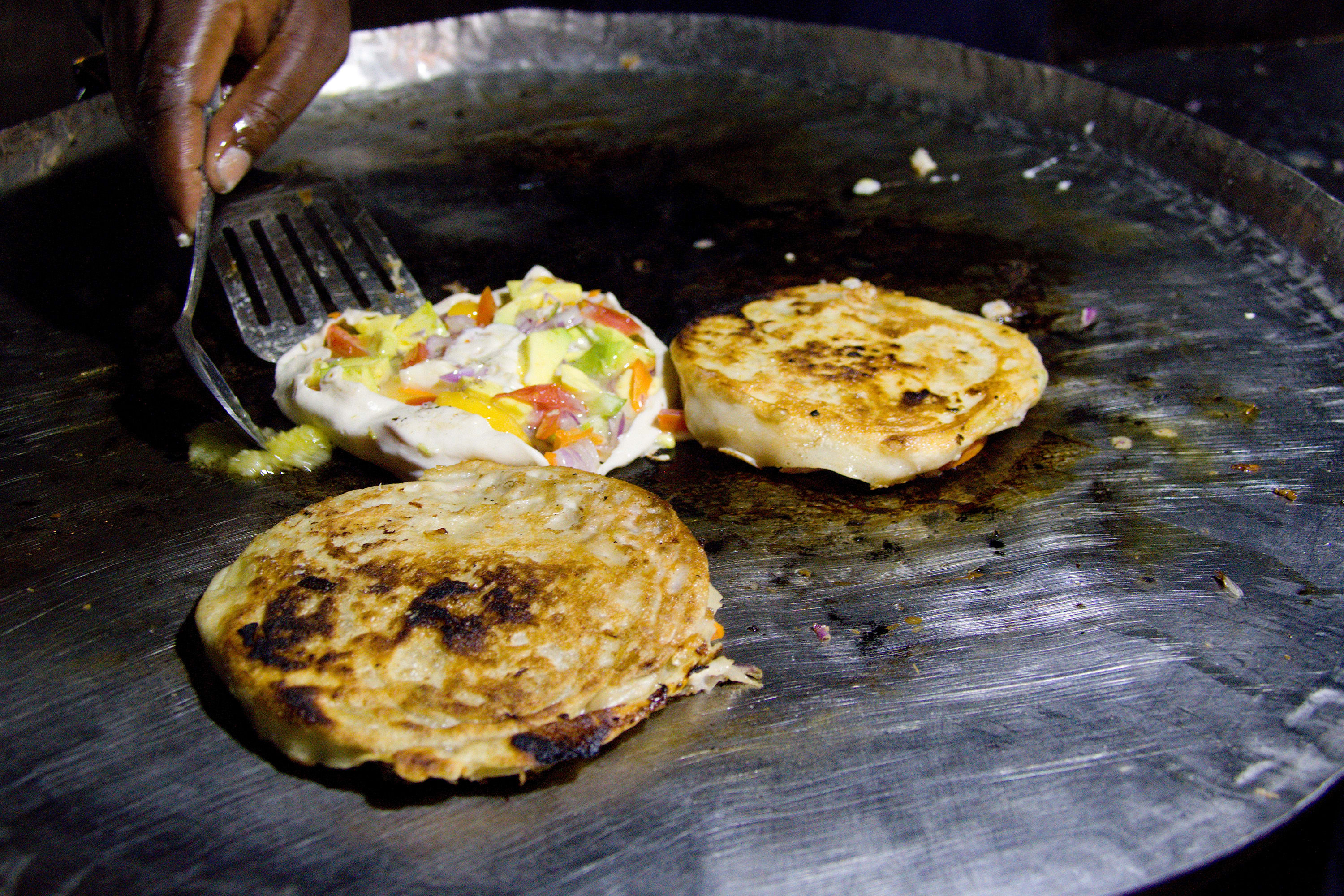
Instead of being baked in an oven, Zanzibar Pizza is usually fried on a hot, flat cooking surface. The dough is stretched thin, filled with the chosen ingredients, folded into a square shape, and cooked until golden.
The result is almost like a combination of a stuffed flatbread, omelette, and crispy pastry.
It is also highly customizable. Customers can choose different fillings depending on their preferences, making each serving slightly different.
How Zanzibar Pizza Is Prepared
The preparation is an interesting part of the experience.
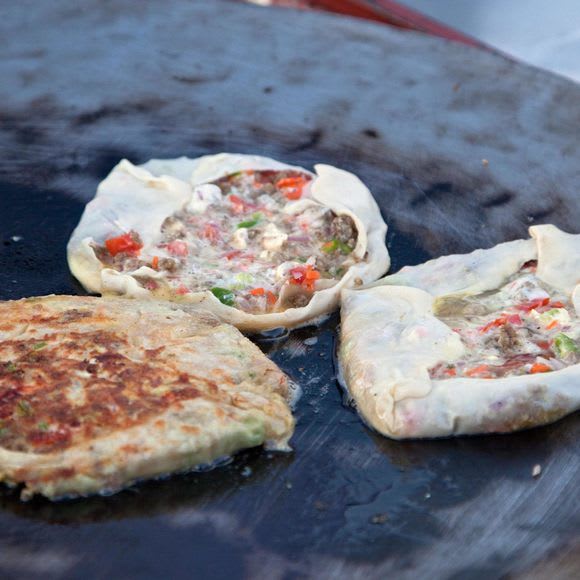
First, a small piece of dough is stretched very thin on a flat, usually oiled surface. The cook then places the filling in the centre. For a savoury version, this might include minced meat, chopped onions, peppers, an egg, and spices.
The edges of the dough are then folded over the filling to create a neat square parcel. The folded pizza is transferred to a hot, oiled metal pan and fried on both sides.
As it cooks, the outside becomes golden and slightly crispy while the inside remains moist and flavourful.
The entire process is often performed in front of customers, making Zanzibar Pizza not only a meal but also part of the street-food experience.
Popular Types of Zanzibar Pizza
One of the most exciting things about Zanzibar Pizza is the variety of fillings available.
Meat Pizza
This version is commonly filled with minced beef or other meat, onions, peppers, and an egg. It is one of the most popular savoury varieties.
Vegetable Pizza
Vegetarians can enjoy versions filled with vegetables such as onions, peppers, tomatoes, and other available ingredients.
Cheese Pizza
Cheese can be added to the filling, creating a richer and creamier version.
Banana and Chocolate Pizza
For those with a sweet tooth, Zanzibar Pizza can also be prepared with sweet fillings such as banana and chocolate. This version demonstrates just how flexible the dish can be.
Where Is Zanzibar Pizza Found?
Zanzibar Pizza is particularly associated with Stone Town, the historic heart of Zanzibar. Street vendors and food stalls can be found in busy markets and evening food areas, where locals and visitors gather to enjoy freshly prepared food.
One of the best-known places to experience Zanzibar's street-food culture is Forodhani Gardens, where food vendors gather in the evenings. The atmosphere is lively, with the smell of grilled seafood, spices, fried foods, and freshly prepared snacks filling the air.
Zanzibar Pizza is more than just something to eat. It is part of the social atmosphere of Zanzibar.
Street food brings people together, especially in the evenings when families, friends, locals, and visitors gather around food stalls. Watching vendors prepare the pizzas from scratch adds to the experience.
The dish also demonstrates how street food can transform simple ingredients into something memorable and satisfying.
Cultural Significance
Zanzibar's cuisine is deeply connected to its history. The islands' location along major Indian Ocean trade routes exposed local communities to ingredients, cooking techniques, and culinary traditions from different parts of the world.
Zanzibar Pizza is an example of this culinary blending. Rather than belonging exclusively to one culinary tradition, it reflects the creativity that can emerge when cultures interact.
Its popularity today shows how food can evolve while still becoming part of a place's identity.
This flexibility is part of what makes it so popular.
Zanzibar Pizza is a delicious representation of Zanzibar's diverse culinary heritage. Created from simple ingredients and prepared through a distinctive cooking method, it has grown into one of Tanzania's most recognizable street foods.
From the lively food stalls of Stone Town to the famous evening atmosphere of Forodhani Gardens, Zanzibar Pizza offers more than just a tasty meal it offers a glimpse into the island's culture, creativity, hospitality, and history of cultural exchange.
Crispy on the outside, flavourful on the inside, and endlessly customizable, Zanzibar Pizza is one of those foods that proves that some of the most memorable dishes can come from the simplest ideas.


Comments (0)
Leave a Comment