
Africa is often celebrated for its vast natural wealth, but one of its greatest resources lies in its people, its thinkers, its storytellers, its writers. The journey of the continent, from colonial rule to cultural and intellectual independence, is deeply tied to the voices that refused to be silenced. Even in a world that has sometimes placed Africa second, its literary brilliance stands second to none.
Africa’s literary voice is vast, layered, and impossible to confine to a single narrative. Across generations, African writers have told stories of identity, resistance, memory, and transformation, shaping not only the continent’s literary canon but global thought itself. Here are five African writers whose works continue to echo across time.
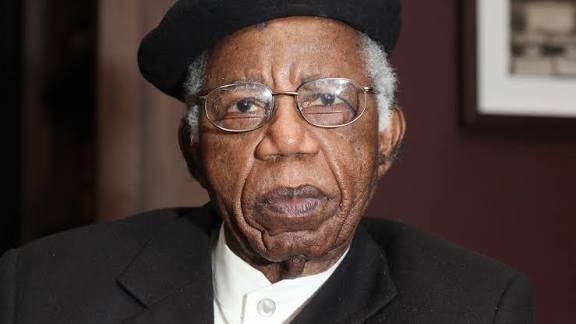
1. Chinua Achebe (Nigeria)
Widely regarded as the father of modern African literature, Achebe redefined how Africa was represented in literature. His groundbreaking novel, Things Fall Apart, dismantled colonial narratives and centered African voices with clarity and dignity. Through simple yet powerful prose, Achebe explored tradition, colonial disruption, and the fragile balance of culture.
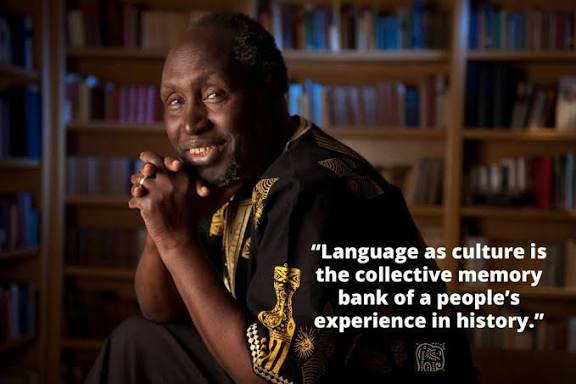
2. Ngũgĩ wa Thiong'o (Kenya)
A fierce advocate for African languages and decolonization, Ngũgĩ’s work challenges the dominance of colonial structures in literature and education. His novel Petals of Blood is a sharp critique of post-independence Kenya, exposing corruption and inequality while urging a return to cultural roots.
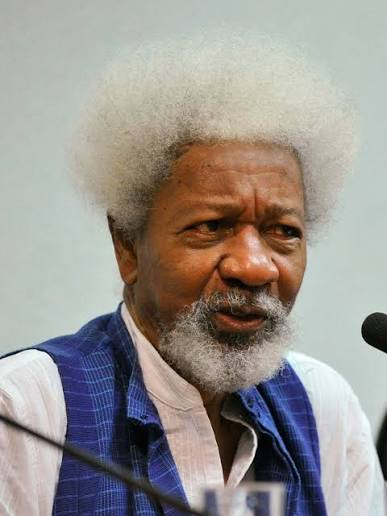
3. Wole Soyinka (Nigeria)
The first African to win the Nobel Prize in Literature, Soyinka’s works blend drama, poetry, and political resistance. In plays like Death and the King's Horseman, he examines duty, tradition, and the collision between African belief systems and colonial interference with profound depth and symbolism.
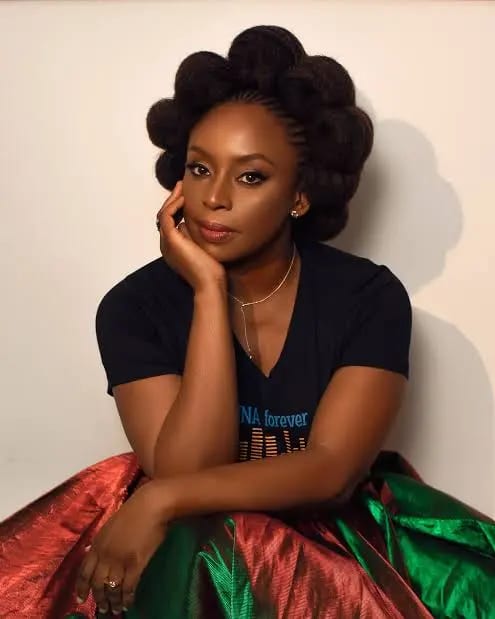
4. Chimamanda Ngozi Adichie (Nigeria)
A leading contemporary voice, Adichie brings modern African experiences to a global audience. Her novel Half of a Yellow Sun revisits the Biafran War with emotional precision, while her essays and talks continue to shape conversations around feminism, identity, and storytelling.
5. Mariama Bâ (Senegal)
Through deeply personal storytelling, Bâ explored the realities of womanhood in African societies. Her acclaimed novel So Long a Letter is a poignant reflection on love, loss, polygamy, and female resilience, told through the intimate form of a letter.
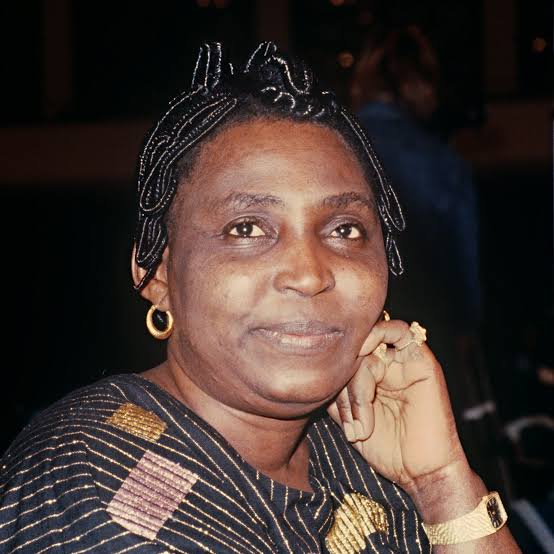
These writers, though distinct in voice and era, share a common thread, a commitment to telling African stories on African terms. Their works are not just literature, they are living archives of culture, struggle, and identity, inviting readers across the world to see Africa not as a single story, but as a continent of many voices.

Comments (0)
Leave a Comment