
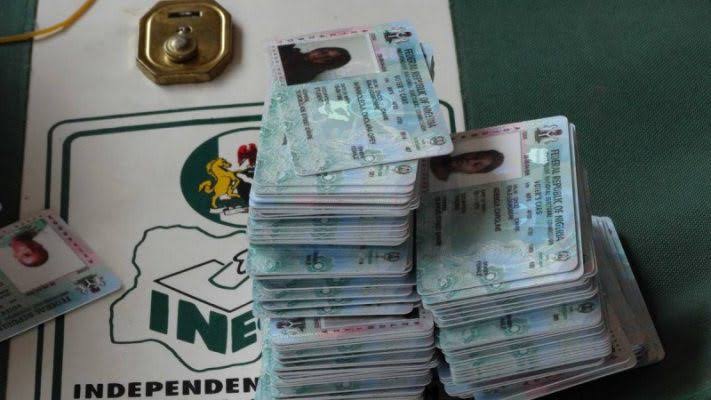
Every election season, one message echoes across Nigeria: "Go and get your PVC." Yet despite repeated campaigns by the Independent National Electoral Commission (INEC), millions of eligible Nigerians still do not register or collect their Permanent Voter's Cards. Some believe their vote will not make a difference, while others simply lose interest in the electoral process. But beyond being a requirement for voting, the PVC represents something much deeper, it is a citizen's voice in deciding the future of the country.
The Permanent Voter's Card, commonly known as the PVC, is the official document issued by INEC that allows eligible Nigerians to vote during elections. Introduced ahead of the 2015 general elections, the card replaced the old Temporary Voter's Card as part of efforts to improve the credibility of elections. It contains biometric information that helps verify the identity of voters and reduce cases of multiple voting, impersonation and electoral fraud.
Every Nigerian who is at least 18 years old and meets the legal requirements has the right to register for a PVC. That right, however, comes with a responsibility. Democracy works best when citizens participate. Choosing not to register or vote means allowing others to make decisions that affect everyone—from the quality of education and healthcare to security, infrastructure and employment opportunities.
A common argument among many young people is that "one vote cannot change anything." History tells a different story. Elections have been decided by narrow margins in many parts of the world, including Nigeria. Beyond determining winners, high voter participation also strengthens the legitimacy of elected leaders and encourages greater accountability. Leaders are more likely to pay attention to citizens who actively engage in the democratic process.
The PVC is also an important tool for protecting the integrity of Nigeria's elections. By using biometric technology to verify voters, the electoral process has become more transparent than it was in previous decades. While challenges such as vote-buying, logistical delays and electoral violence still exist, the introduction of the PVC has been one of the significant reforms aimed at improving public confidence in elections.
Despite its importance, many registered voters fail to collect their cards. Others wait until election periods before showing interest in registration. This pattern not only creates unnecessary pressure on electoral officials but also leaves many eligible citizens unable to vote when it matters most. Civic participation should not begin a few weeks before an election; it should be a continuous commitment.
Young Nigerians, who make up a large percentage of the country's population, have a particularly important role to play. They are often the most vocal about the need for better governance, job opportunities and social reforms. The PVC gives them an opportunity to translate those demands into democratic action. While voting alone cannot solve every problem, refusing to participate removes one of the most powerful tools available in a democracy.
Ultimately, a Permanent Voter's Card is more than a piece of plastic. It is a symbol of citizenship, responsibility and participation. Governments are shaped by the choices people make at the ballot box. Every eligible Nigerian who registers and votes contributes, in one way or another, to the direction the country takes.
Democracy is not built only by elected officials. It is built by citizens who choose to participate. Owning a PVC is one of the simplest yet most meaningful ways to be part of that process.
© 2026 Aliu Azeema |
TalkAfricang.com

Comments (0)
Leave a Comment