CBN Tightens BVN Rules — What It Means for Bank Customers from May 1st

CBN Tightens BVN Rules — What It Means for Bank Customers from May 1st

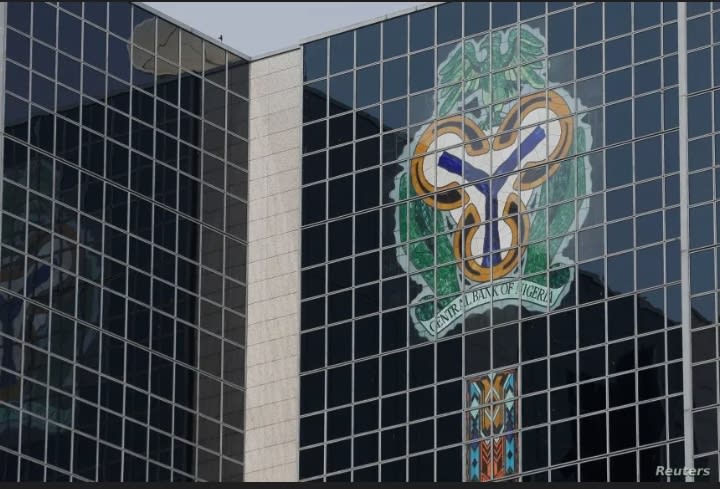
Nigeria’s central bank is introducing new rules around the Bank Verification Number (BVN), a move that could change how millions of people use digital banking services.

The Central Bank of Nigeria (CBN) says the measures, set to take effect from May 1, are aimed at strengthening security, reducing fraud and improving control over the country’s financial system.

But for many Nigerians, the real question is simple: what exactly will change?

Under the new guidelines, individuals will only be allowed to change the phone number linked to their BVN once in a lifetime, a step designed to reduce identity manipulation and SIM-related fraud.

The CBN is also introducing a fraud watchlist system, where accounts linked to suspicious transactions could face temporary restrictions for up to 24 hours while checks are carried out.

In addition, customers using a new device for digital banking may face temporary limits. Transactions could be capped at ₦20,000 within the first 24 hours, as part of efforts to verify unusual activity and prevent unauthorized access.

BVN registration will now be restricted to individuals aged 18 and above, reinforcing identity verification standards across the banking system.

Another key change focuses on data protection, with access to BVN information limited strictly to licensed financial institutions, aimed at reducing misuse of sensitive personal data.

While regulators say these measures will improve trust and security, they may also bring short-term inconvenience.

Customers with outdated or inconsistent BVN details could experience delays or restrictions when carrying out transactions.

Analysts say the new rules reflect a broader shift toward tighter digital financial regulation in Nigeria, especially as online and mobile banking continue to grow rapidly.

As the rollout date approaches, banks are expected to notify customers and encourage them to verify their details to avoid disruptions.

For now, the message is clear: stronger security is coming and it may change how Nigerians interact with their bank accounts, at least in the short term.

© 2026 Aliu Azeema | TalkAfricang.com
Filed under: newseconomy

Share this article

Keep Reading

More stories you might find interesting

Taiwo Oyedele Dismisses ₦80 Trillion Borrowing Claim, Defends Tinubu's Fiscal Record
news

Taiwo Oyedele Dismisses ₦80 Trillion Borrowing Claim, Defends Tinubu's Fiscal Record

Chairman of the Presidential Committee on Fiscal Policy and Tax Reforms, Taiwo Oyedele, has dismissed claims that President Bola Ahmed Tinubu's administration borrowed ₦80 trillion, describing the widely circulated figure as false and based on a misunderstanding of Nigeria's public debt data. Oyedele made the clarification on Monday, July 20, 2026, during an economic review session organised by the Senate Committee on Finance, where lawmakers examined the country's fiscal position and debt profile.

NIGERIA'S STOCK MARKET IS NOW THE BEST-PERFORMING IN THE WORLD
news

NIGERIA'S STOCK MARKET IS NOW THE BEST-PERFORMING IN THE WORLD

Bloomberg data confirms the NGX has overtaken South Korea's Kospi to lead all 92 global exchanges tracked this year, driven by financial-services stocks, FX reforms, and a pending frontier-market upgrade Photo: Premium Times — Stockbrokers on the trading floor of the Nigerian Exchange, Lagos Nigeria's stock market has become the best-performing equity market in the world in dollar terms, according to Bloomberg data tracking 92 global exchanges. The Nigerian Exchange (NGX) benchmark index has returned 67 percent year-to-date, narrowly ahead of South Korea's Kospi at 66 percent the previous global leader.

THE CHANGE WE AREN'T READY FOR
politics

THE CHANGE WE AREN'T READY FOR

Everyone wants a better Nigeria. But what if Nigeria is waiting for us first? At every gathering — weddings, WhatsApp groups, church meetings — Nigerians recite the same grievances: failed promises, stolen budgets, roads that vanish after one rainfall. We are fluent in complaint. But here is the harder question: if Nigeria became, overnight, the nation we say we want, would our own daily habits be worthy of it — or would we quietly rebuild the dysfunction we just escaped? This is not an attempt to excuse bad governance or shift responsibility from those in power, it is a move to confront the uncomfortable truth. Nigeria's greatest problem may not be the government alone, It may also be Nigerians — all of us, in the small choices we make when no one is watching.

Comments (0)

Leave a Comment

0/1000
Loading comments...