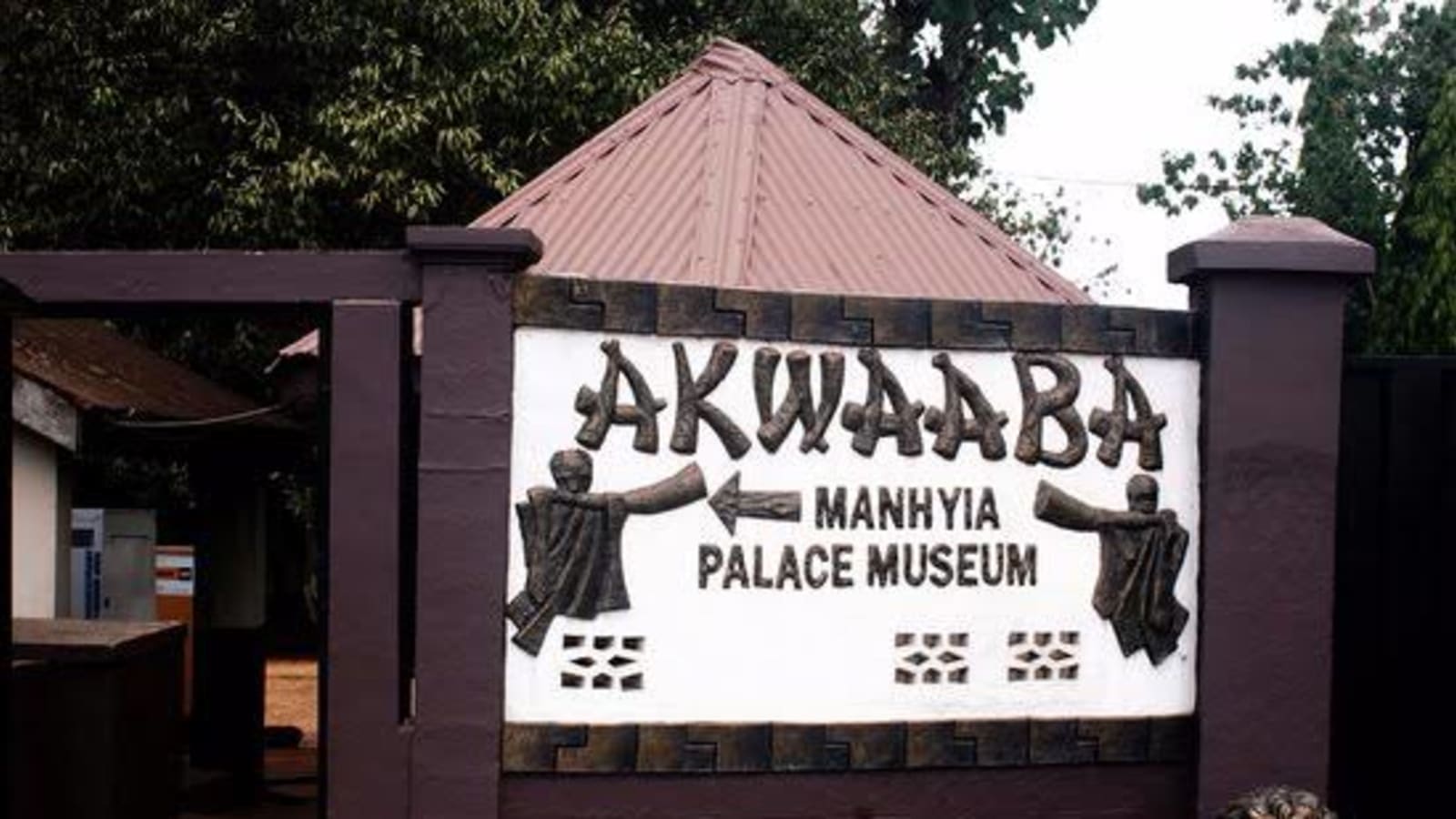
In the royal city of Kumasi, where the earth itself seems to remember footsteps of kings, Manhyia Palace rises with quiet authority. It does not compete for attention. It does not need to. This is a place where legacy sits still, yet moves generations.
Manhyia Palace was established in 1925 during a tense period in Ashanti history.
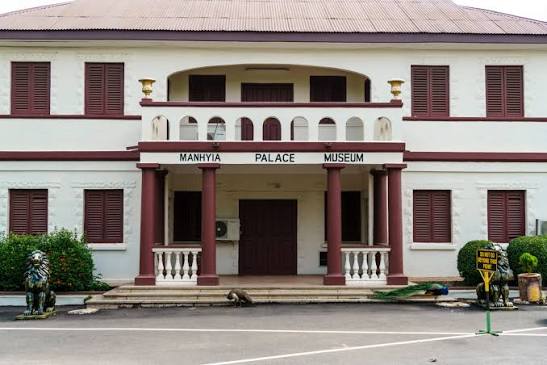
After the destruction of the earlier royal residence during the War of the Golden Stool, the British constructed this palace for the Asantehene. But history has a way of turning imposed structures into reclaimed identity. What was once a colonial gesture became a seat of restored pride. The Ashanti did not just return to rule, they redefined it on their own terms.
The palace later became closely tied to the legacy of Prempeh I, the king who endured exile in the Seychelles and returned not as a broken man, but as a symbol of endurance. His return marked a spiritual restoration of the Ashanti monarchy. Today, the current Asantehene, Otumfuo Osei Tutu II, carries that same fire, blending ancient authority with modern diplomacy, ensuring that tradition does not become silence in a changing world.
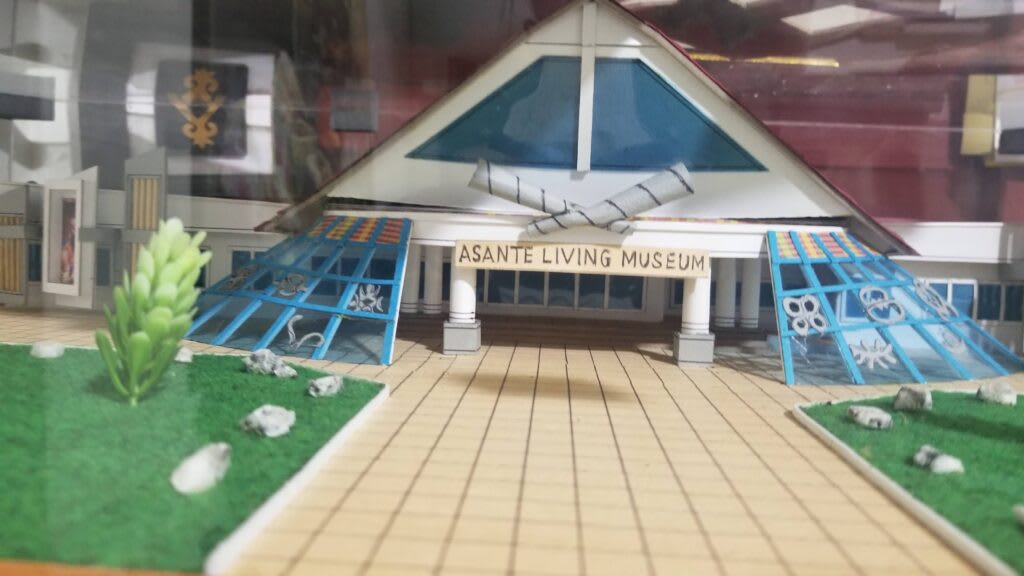 Beyond its political significance, the palace holds deep architectural meaning. The old palace building reflects a blend of European and traditional Ashanti influences. Wide verandas, symmetrical design, and colonial-era furnishings exist side by side with sacred stools, kente cloth, and symbolic carvings. This contrast is not accidental. It tells a story of adaptation without surrender.
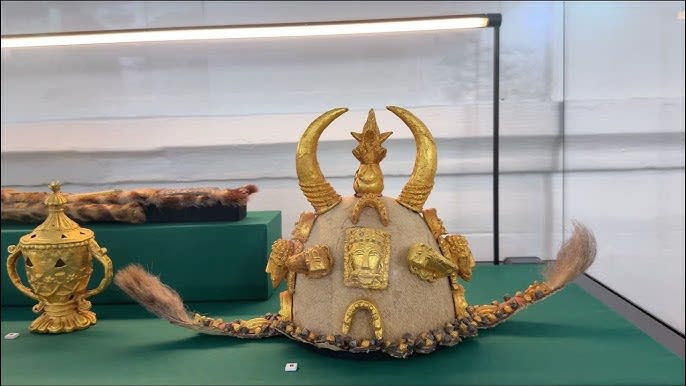
Within the Manhyia Palace Museum, history is preserved with intention. You will find royal artifacts that once belonged to past kings, ceremonial swords that carried authority, and stools that symbolize lineage. Among them is the silent echo of the Golden Stool, the spiritual heart of the Ashanti people. Though never displayed publicly, its presence is felt in everything. It represents unity, soul, and continuity, something no external force could ever take.
Culturally, Manhyia Palace remains the heartbeat of the Ashanti people. It is where traditional governance still operates, where chiefs gather to deliberate on matters that go beyond politics into the moral fabric of society. During the Akwasidae Festival, the palace transforms into a living theatre of heritage. Drums do not just sound, they speak. Kente cloth does not just decorate, it communicates status, history, and philosophy. Every movement, every color, every rhythm is intentional.
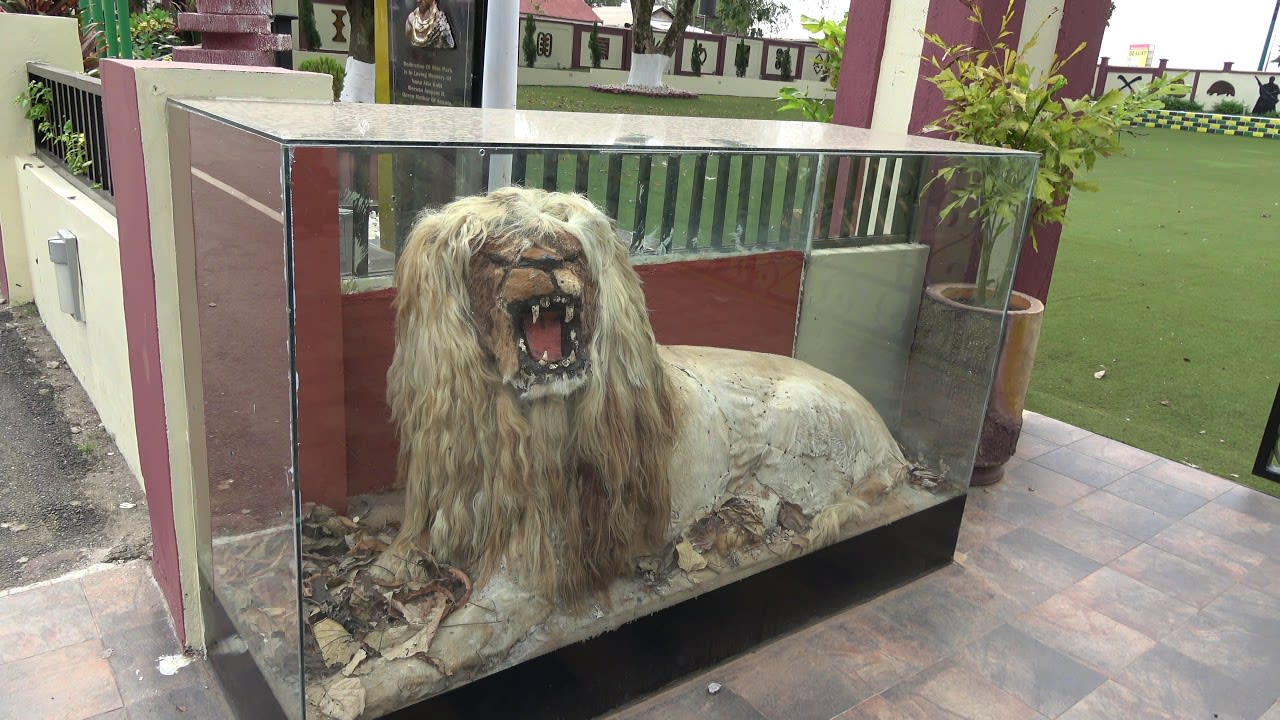
But beyond ceremony, the palace plays a modern role. It has become a center for cultural education, tourism, and historical preservation. Students, researchers, and travelers come not just to observe, but to understand. In a time where cultures are often diluted, Manhyia Palace stands firm, teaching that identity must be protected, not negotiated.
There is also a moral weight to this place. It reminds you that leadership is not noise. It is consistency. It is responsibility carried across generations. The Ashanti monarchy has survived wars, colonization, exile, and modernization, not by abandoning its roots, but by holding onto them with discipline.
Manhyia Palace does not try to impress you. It challenges you. It asks a quiet questionWhat does it mean to truly belong to something greater than yourself ?
 © 2026 Ikeun Divine Michael | TalkAfricang.com



Comments (0)
Leave a Comment