
Let us stop being defensive for a second. When Tosin Eniolorunda dropped the bombshell that he has 500 empty chairs because he cannot find world class Nigerians, the collective ego of the tech bro nation took a massive hit. The immediate reaction on social media was the usual. People said he was not paying enough or that the interview process was a mess.
But if we are being brutally honest, the kind of honesty that actually builds an industry, Tosin is not entirely wrong. What Nigerians are failing to see is that we are currently victims of our own packaging.
The Hello World Trap
For the last four years, we have treated technology like the new oil and gas sector. Everyone and their cousin did a six week bootcamp, changed their social media bio to Software Engineer and started hunting for United States Dollar salaries.
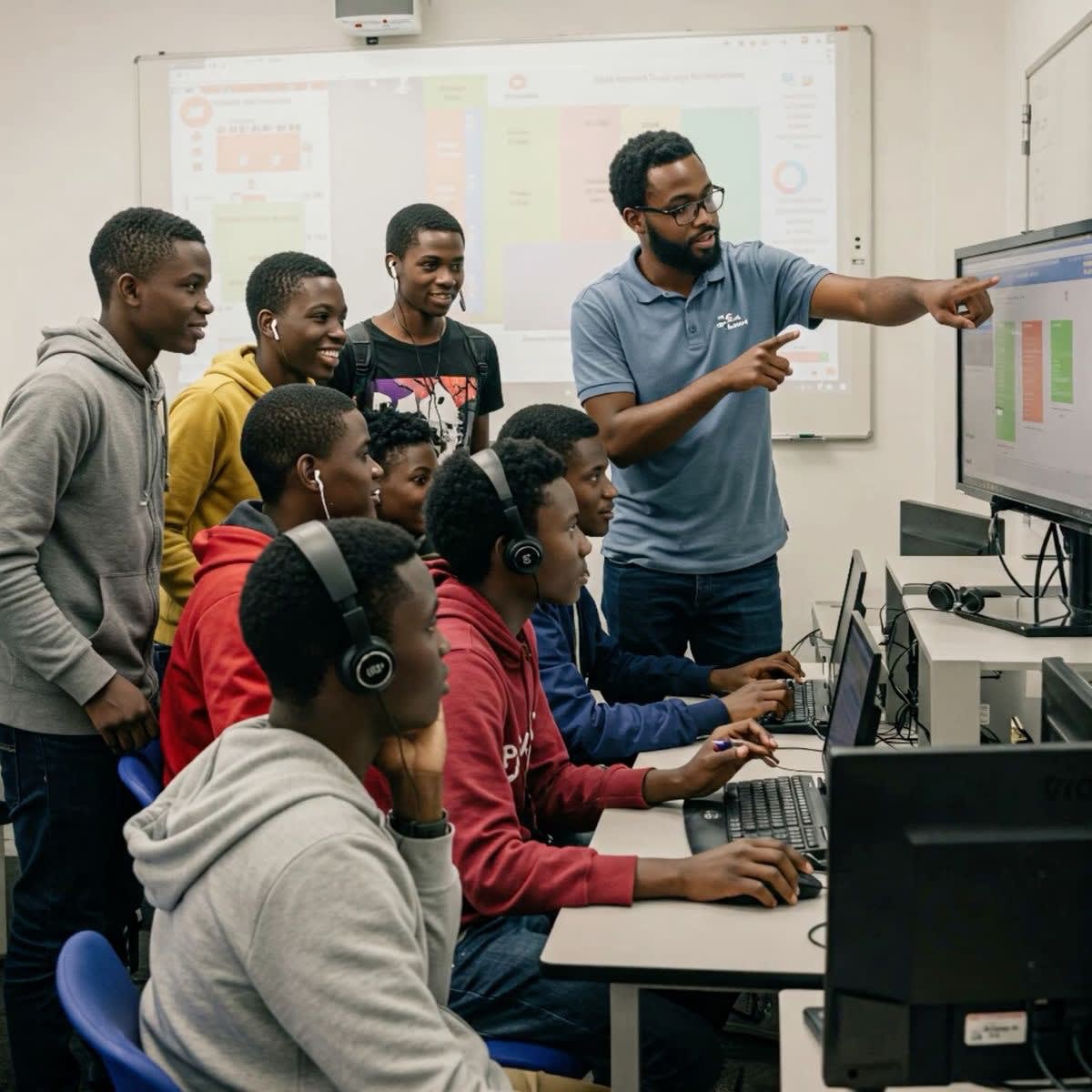
But there is a massive and dangerous difference between knowing how to build a pretty landing page and knowing how to manage a database that is processing ten thousand transactions per second in the middle of a Nigerian network glitch. Most of our talent is an inch deep and a mile wide. We have frontend kings who cannot explain how a load balancer works. We have product managers who are really just glorified project secretaries.
The Japa Ghost is Haunting Us
We love to brag about our resilience, but let us look at the wreckage. The people who were supposed to be the mid level leads and senior engineers today, the ones who would have mentored the five hundred people Moniepoint needs, are currently working for banks in London or startups in Toronto.
The pipeline is broken. We have a massive army of juniors and a tiny, exhausted squad of seniors. There is no middle class in Nigerian technology. Without that middle, the juniors are just vibing in a vacuum. They are learning bad habits from videos and wondering why they cannot pass a high level architecture interview.
Packaging Versus Performance
We have become a nation of tech influencers rather than tech builders. We have spent more time on our Day in the Life reels than on understanding low level systems. Tosin is not looking for someone who can quote textbooks. He is looking for the person who can stay calm when the server room is melting and the financial bridge is down.
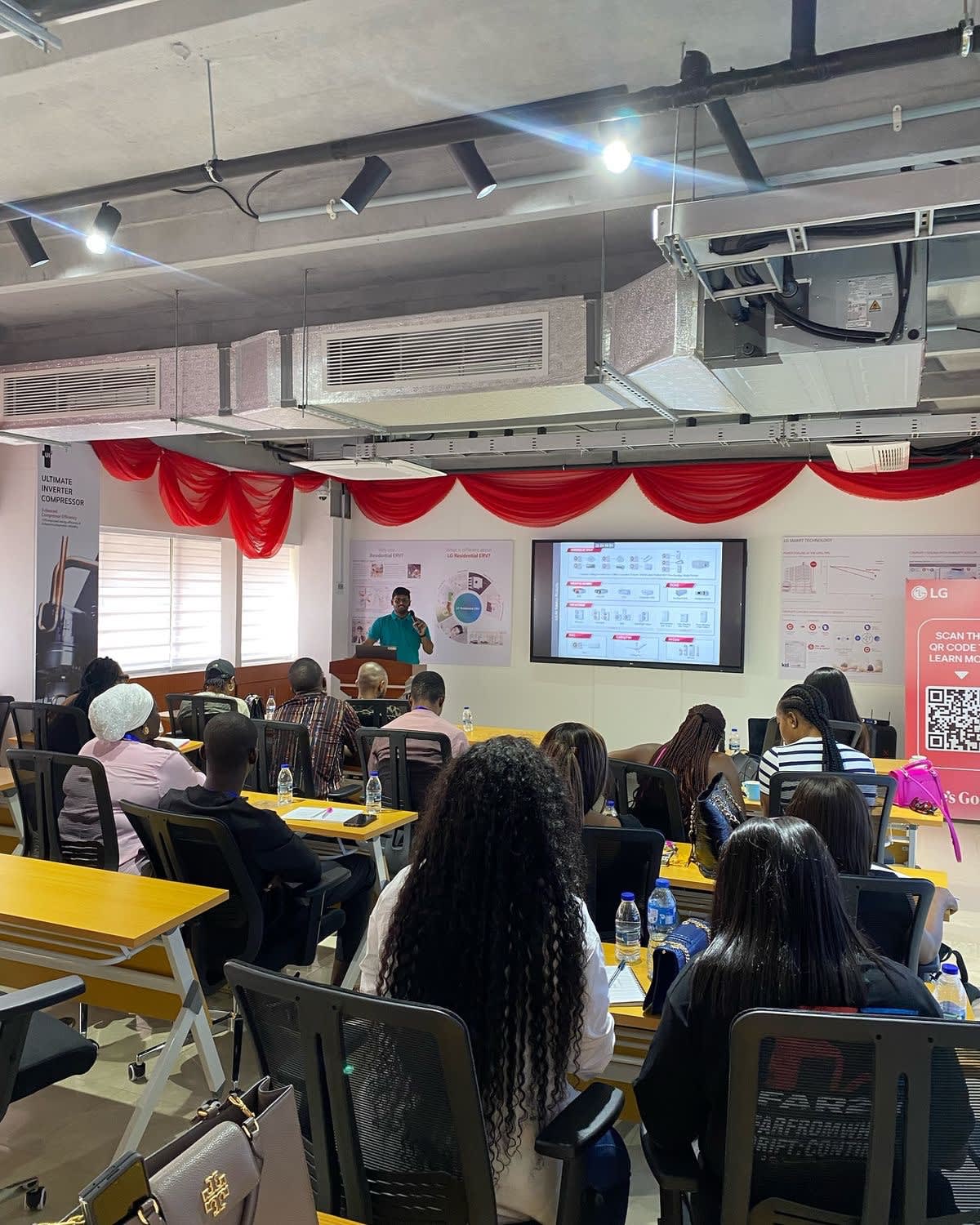
The talent paradox is this. We have the highest density of tech interest in Africa but some of the lowest density of deep technical expertise.
The Bitter Pill
If you are a developer or a manager reading this and you are angry, that is good. Use it. But realize that the standard has moved. The world does not care about your hustle anymore. They care about your up time.
If we do not fix the obsession with fast money and aesthetic technology, we are going to wake up in two years and find that all the big jobs at our own companies are being remotely filled by engineers in India or Eastern Europe.
The five hundred empty chairs at Moniepoint are not a snub. They are a mirror. And right now, the reflection is looking a bit average.
The TalkAfricaNG Take
We cannot keep shouting about being the tech hub of Africa if we are only building on the surface. Moniepoint is telling us the home truth. It is time to stop the hustle and start the mastery. If our schools are failing, the private sector must step in to build academies that produce seniors, not just certificate holders. If we do not close this gap, our unicorns will fly away to other countries to find the brains they need to survive.
What do you think about Tosin's comments? Is it an issue of low pay or is the Nigerian talent pool truly shallow at the senior level? Drop your comments below.
© 2026 Ajayi Korede | TalkAfricang.com



Comments (0)
Leave a Comment