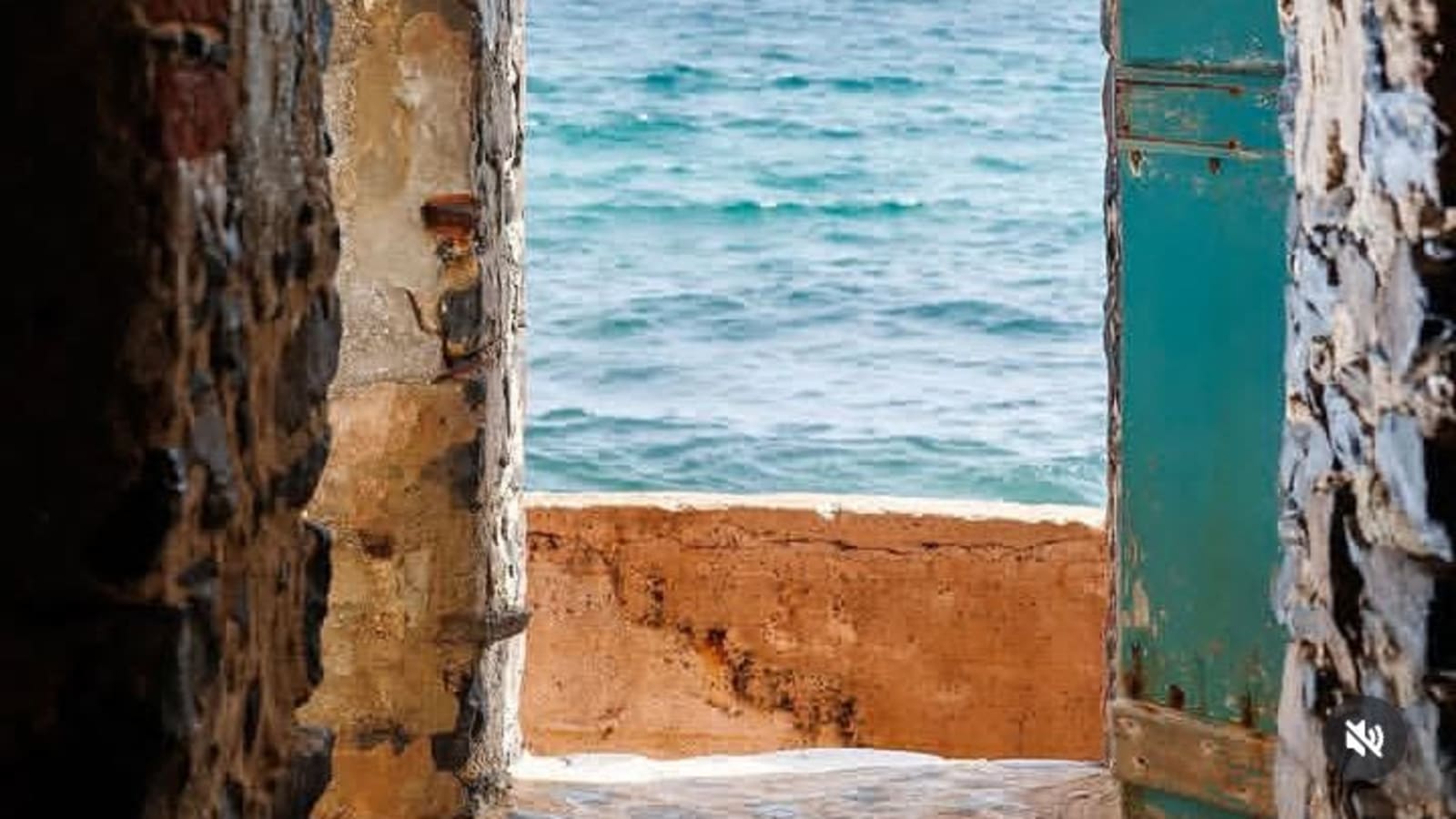
To begin with, the Door of No Return is a place on Gorée Island. It's where many Africans were taken away forcefully as slaves during the transatlantic slave trade.
The doorway leads to the Atlantic Ocean, and it's a sign of their journey. For millions of enslaved Africans, it was the last time they were in Africa.
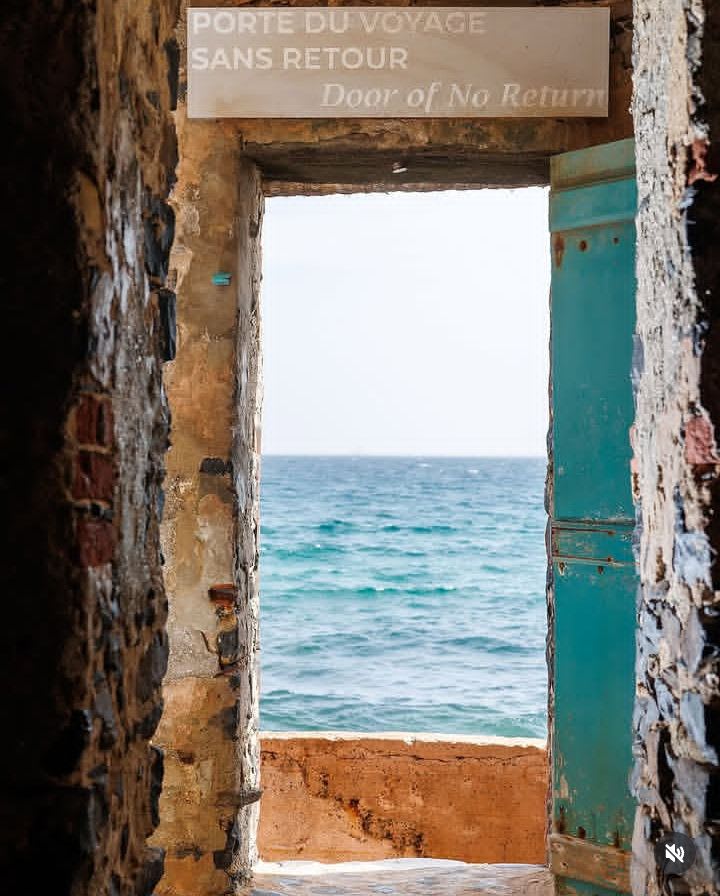
The Door of No Return on Gorée Island, where enslaved Africans took their final steps out of Africa.
Photo Credit: Geoffrey Kent
The Door of No Return in Transatlantic Slave Trade History.
Historically, between the 15th and 19th centuries, over 12 million Africans were taken away from their homes and sold into slavery. This happened at places called Doors of No Return, which are ports in West Africa, like Gorée Island.
For example, the House of Slaves is a famous example. Enslaved people were kept in tiny, dark cells there before being taken through the Door of No Return to ships waiting to take them away.
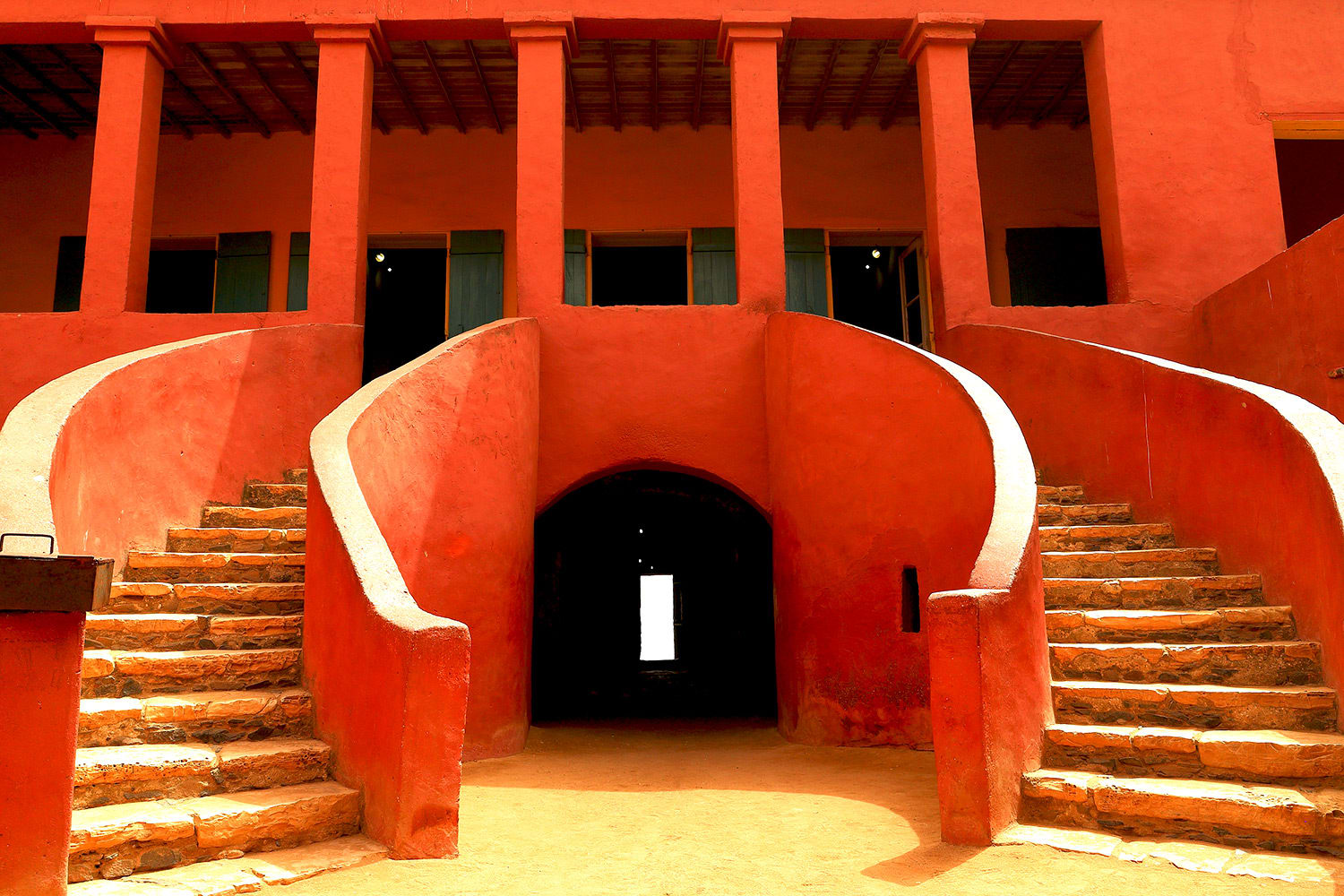
Inside the House of Slaves, where enslaved Africans were held before departure.
Photo Credit: Livpool
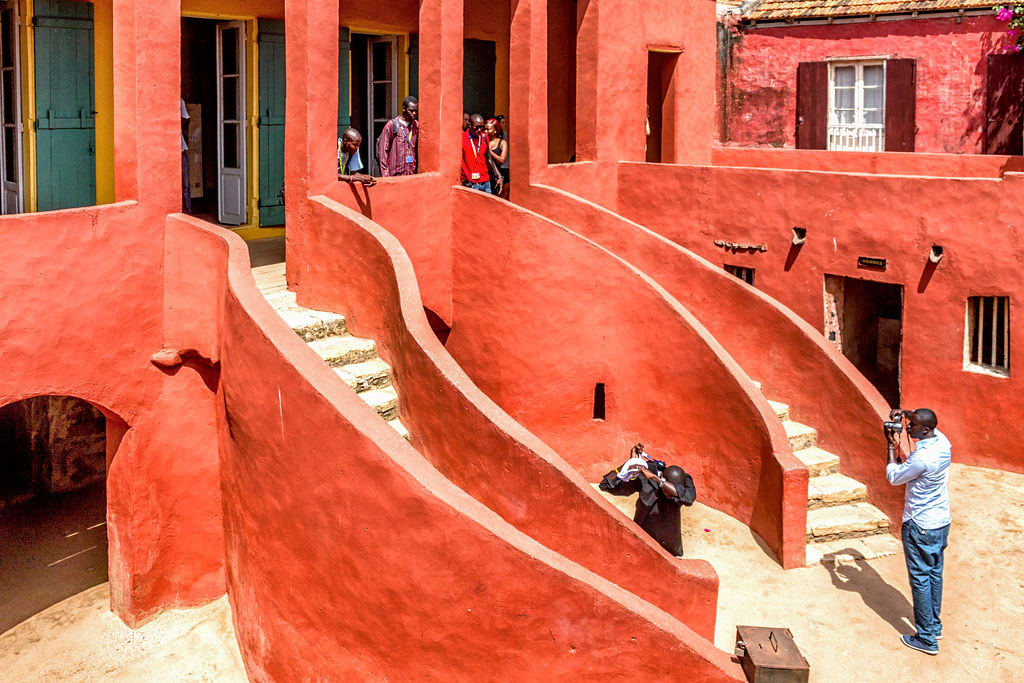
House of slaves, Senegal.
Photo Credit: Flickr
Similarly, in Ghana, places like Cape Coast Castle and Elmina Castle are also important parts of slave trade history. Hundreds of enslaved people were kept in really crowded and dark dungeons. The Door of No Return there led straight to the sea, where ships waited to take them away. It was a short walk, but a sad journey for them.
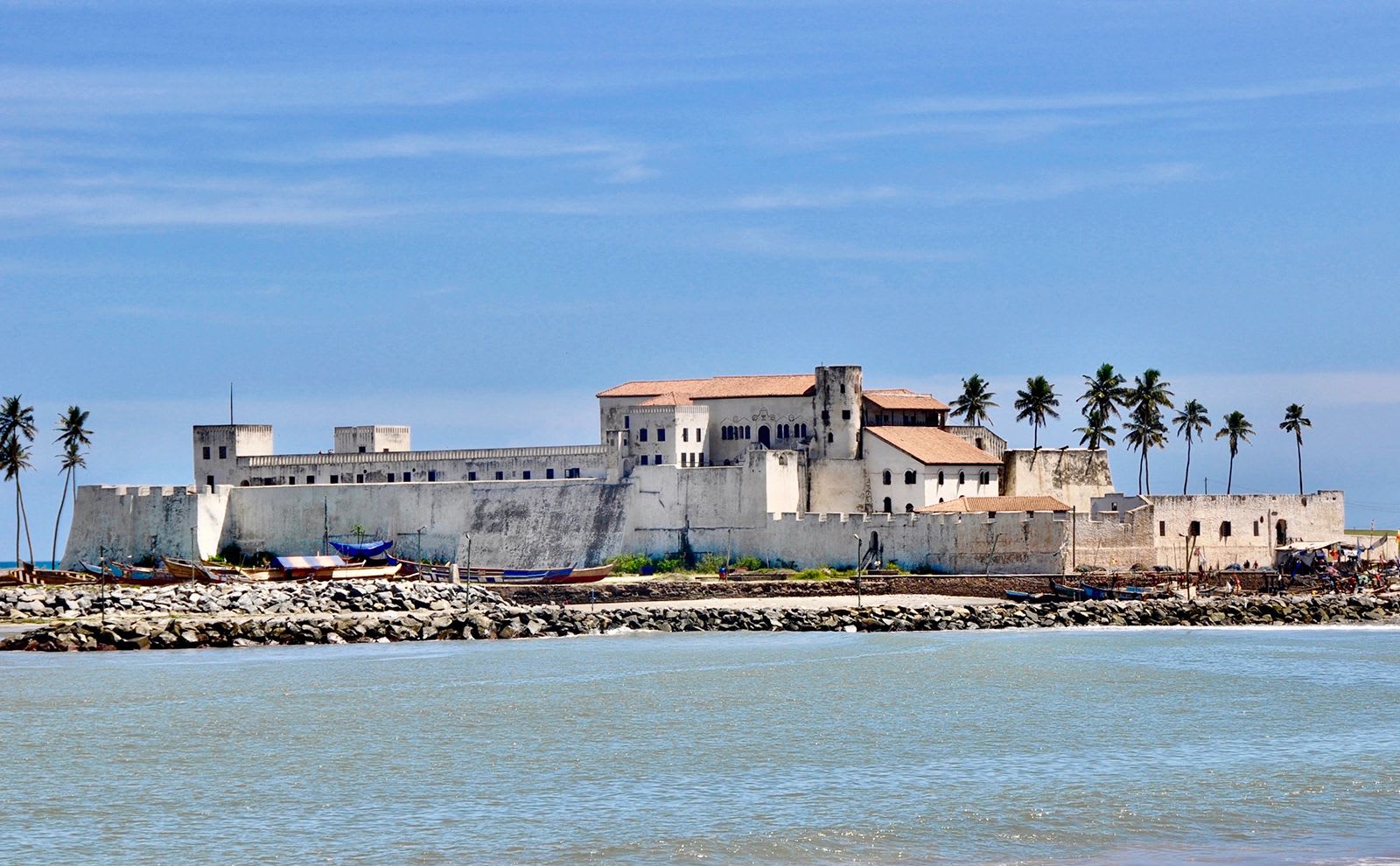
Slave castles in Ghana where many Africans passed through the Door of No Return.
Photo Credit: Getty Images.
In addition, in Benin, there's a symbolic arch by the ocean that represents the Door of No Return. In Nigeria, Badagry Slave Route shows the path enslaved Africans took to the coast.
Despite this, even though the slave trade was really tough, enslaved Africans found ways to keep their identity alive. They used songs, language, and cultural practices to hold on to who they were. Some fought back physically, others did it spiritually. These forms of resistance helped keep African culture alive.
From Door of No Return to Door of Return.
Over time, the Door of No Return used to symbolise separation is now becoming a symbol of reconnection and healing, especially for people in the African diaspora. A big moment was when Ghana invited people of African descent to come back and connect with their roots in the year of no return.
As a result, people walked back through the Door of No Return, but this time it was like coming home. They were reconnecting with their roots and it looked like the door changed from being a symbol of sadness, to a connection between Africa and people around the world who were taken away.
Today, countries like Senegal, Nigeria, and Benin are now using these historic sites to promote cultural tourism and also a way to remember the past. This helps preserve the history of the slave trade.
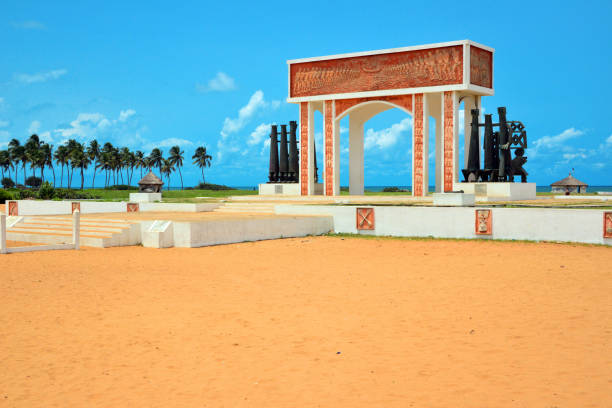
The Door of No Return in Ouidah, Benin. Photo Credit: Britannica.
Conclusively, even with challenges like preserving these sites and dealing with commercialization, the message is clear; the Door of No Return is no more about just people being taken away, it's about returning, remembering the past, and celebrating strength.
2026 Bernice Temitayo Olusaiye | Talkafricang.com



Comments (0)
Leave a Comment