
Burkina Faso has introduced new humanitarian regulations prohibiting non-governmental organisations (NGOs) and humanitarian agencies from taking, displaying or sharing photographs and videos that portray people receiving aid in a degrading or exploitative manner.
The new measures, reported on Monday, July 6, 2026, are aimed at protecting the dignity, privacy and rights of vulnerable citizens while tightening oversight of humanitarian activities in the country. According to reports, NGOs will no longer be permitted to publish images showing beneficiaries alongside donated food, relief materials or other forms of humanitarian assistance if the images are considered degrading or exploitative.
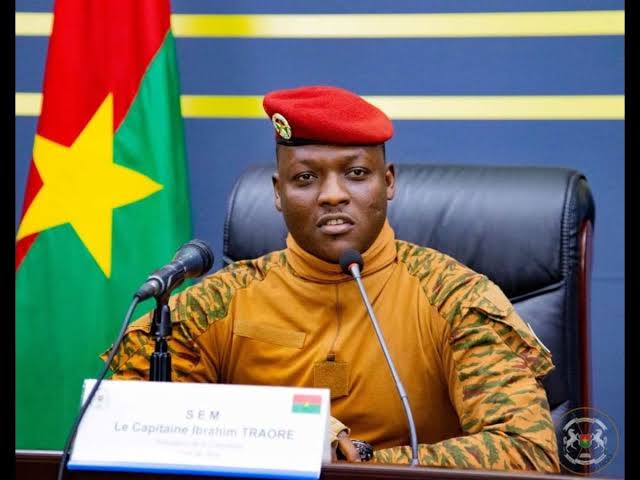
The policy comes under the administration of Captain Ibrahim Traoré, who has led Burkina Faso since September 30, 2022, following a military takeover. His government has increasingly promoted policies centred on national sovereignty, self-reliance and stronger state oversight of both local and international organisations.
According to the reports, the government believes humanitarian assistance should not come at the expense of people's dignity. The regulations seek to end what authorities describe as the use of poverty and human suffering as fundraising or promotional tools, encouraging organisations to adopt more ethical ways of documenting their work.
For decades, humanitarian organisations have relied on photographs and videos to raise awareness about crises, attract international donors and demonstrate the impact of relief efforts. While such images have often helped mobilise emergency support, they have also faced criticism from human rights advocates who argue that repeatedly showing people in distress without meaningful consent can reinforce stereotypes and undermine their dignity.
Supporters of Burkina Faso's decision say the policy represents a shift toward more respectful humanitarian communication. They argue that individuals receiving assistance should be treated as people with rights rather than as symbols of suffering used to secure funding. Under the reported rules, aid organisations are expected to obtain proper consent and ensure that those they photograph are represented respectfully.
However, some humanitarian experts have expressed concern that limiting the use of visual documentation could make it more difficult for organisations to communicate the scale of humanitarian crises to international donors. In conflict-affected regions, photographs often play a crucial role in raising awareness and generating support for emergency interventions.
Burkina Faso continues to face one of the most severe humanitarian crises in the Sahel. Millions of people have been affected by insecurity, displacement and food shortages caused by years of attacks by armed groups. These challenges have placed enormous pressure on humanitarian organisations working to provide food, healthcare, shelter and other essential services.
The reported regulations reflect a broader debate taking place across the humanitarian sector about balancing effective storytelling with the protection of human dignity. Around the world, many aid organisations have revised their communication policies in recent years to place greater emphasis on informed consent, ethical photography and respectful representation of vulnerable communities.
While the long-term impact of Burkina Faso's new policy remains to be seen, it has already sparked discussions about how humanitarian organisations should tell the stories of those they serve. As governments and aid agencies continue to navigate these issues, the focus is increasingly shifting toward ensuring that compassion and respect remain at the centre of humanitarian work.
© 2026 Aliu Azeema |
TalkAfricang.com


Comments (0)
Leave a Comment