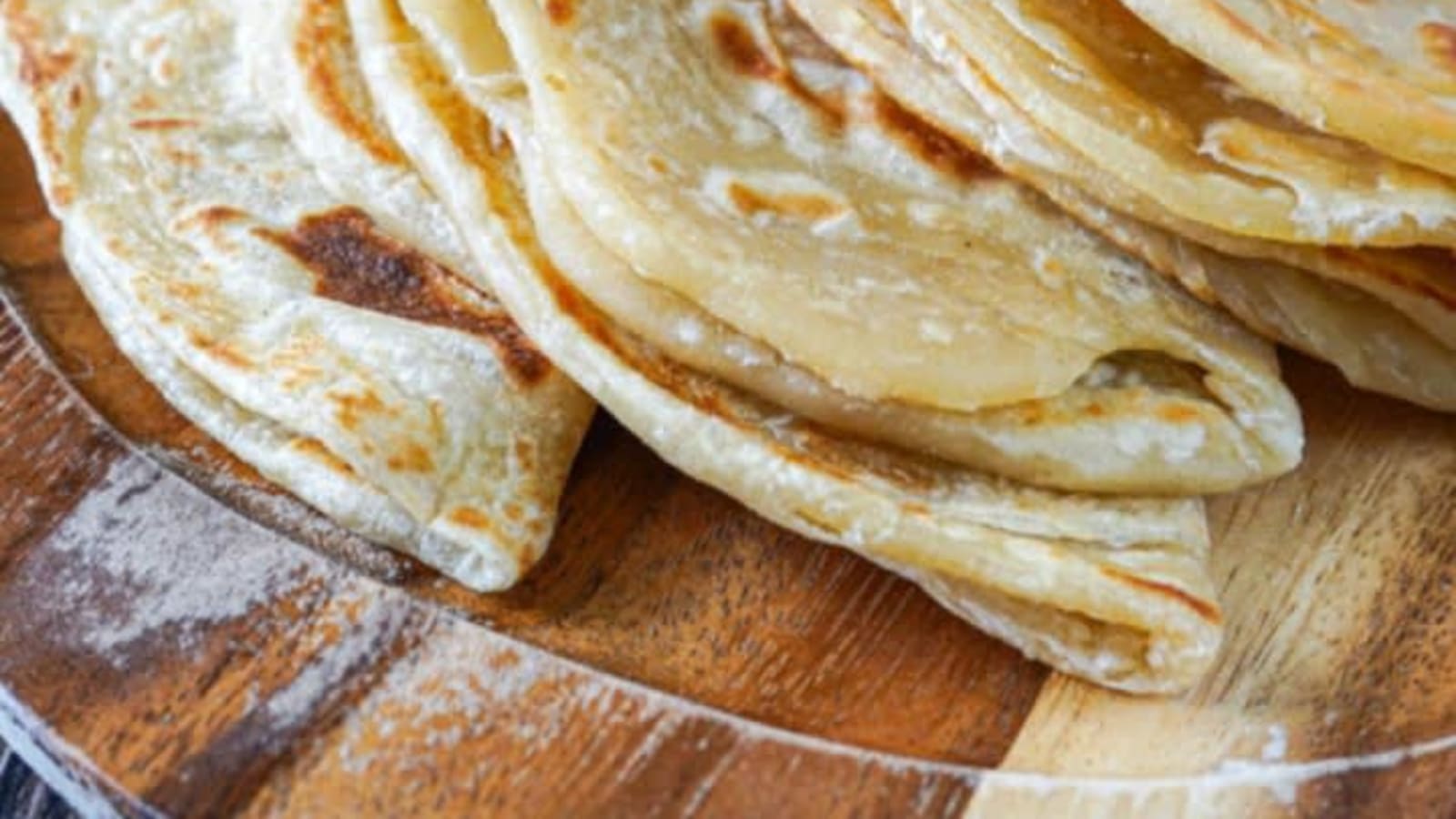
Chapati: Tanzania’s Beloved Flatbread
Chapati is one of the most popular flatbreads found across Tanzania and some part of East Africa. Soft, golden, flaky, and delicious, it is a familiar part of everyday meals, celebrations, street food, and family gatherings. Although chapati has roots connected to the wider Indian Ocean and South Asian culinary tradition, it has become deeply integrated into East African food culture, developing its own distinctive style and preparation methods.
In Tanzania, chapati is enjoyed in homes, restaurants, markets, and roadside food stalls. It can be eaten for breakfast, lunch, or dinner and is commonly paired with beans, meat, vegetables, eggs, or rich stews.
The Origin and History of Chapati
Chapati's history is closely connected to the movement of people, trade, and cultures across the Indian Ocean. Indian traders and communities who settled along the East African coast brought various culinary traditions with them. Over generations, these foods were adopted and adapted by local communities.
Tanzania's coastal regions, particularly areas influenced by Swahili culture, became important meeting points for African, Arab, Indian, and Persian influences. Chapati gradually became part of this diverse culinary landscape.
Today, Tanzanian chapati is more than a food introduced from elsewhere. It has become an established part of the country's cuisine and is enjoyed by people from different communities and backgrounds.
What Makes Tanzanian Chapati Special?
Tanzanian chapati is particularly loved for its soft and flaky texture. Unlike some flatbreads that are thin and crisp, East African chapati is often made by folding and rolling the dough several times before cooking. This creates delicate layers that become beautifully golden when fried on a hot pan.
The basic ingredients are simple: flour, water, salt, and oil or fat. However, the technique used to knead, rest, fold, and roll the dough is what gives good chapati its characteristic texture.
How Chapati Is Prepared
The preparation begins by combining wheat flour with salt and gradually adding water to form a soft dough. Oil or cooking fat may be incorporated into the dough to improve its softness.
The dough is kneaded thoroughly until smooth and elastic before being allowed to rest. It is then divided into portions, rolled out, brushed with oil, folded or rolled into layers, and flattened again.
The prepared dough is cooked on a hot, lightly greased pan. As it cooks, the chapati develops a golden-brown surface while the layers inside remain soft and flaky.
The result is a warm, aromatic flatbread that can be enjoyed on its own or alongside a variety of dishes.
How Chapati Is Served in Tanzania
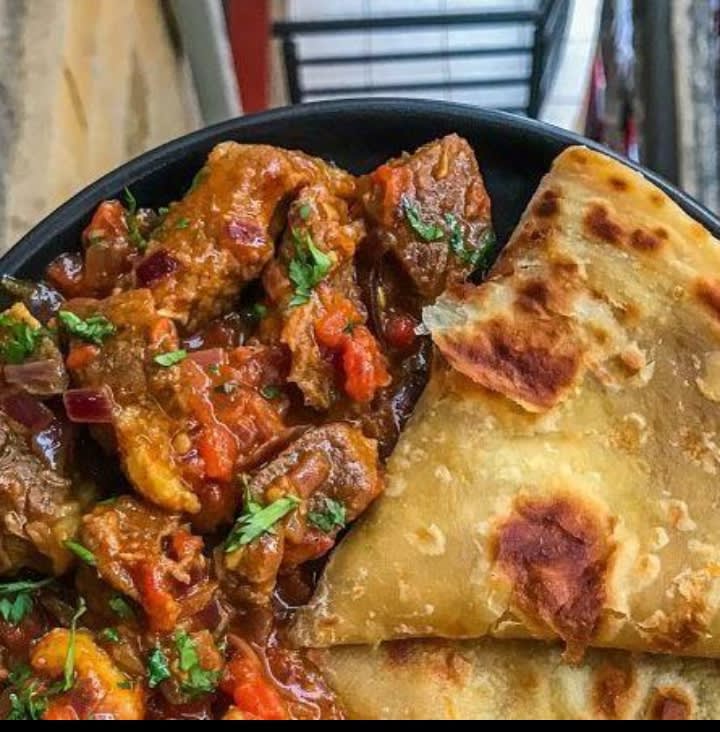
Chapati is incredibly versatile and can accompany many Tanzanian meals. It is commonly served with beans, especially dishes made with coconut or tomato-based sauces. It can also be paired with beef, chicken, goat meat, vegetables, eggs, or other stews.
For breakfast, chapati may be enjoyed with tea, coffee, or eggs. In some settings, it is rolled around meat or other fillings to create a convenient meal.
It is also popular during celebrations and gatherings, where large quantities may be prepared to feed family members and guests.
Chapati and Tanzanian Culture
Food plays an important role in bringing Tanzanian communities together, and chapati is a good example of this. Preparing chapati can be a shared household activity, while serving it to visitors is often part of the warmth and hospitality associated with meals.
Its popularity also demonstrates the cultural exchanges that have shaped Tanzanian cuisine. The country's food traditions reflect centuries of interaction between African communities and people from across the Indian Ocean.
Chapati therefore represents more than a simple flatbread it is part of Tanzania's evolving culinary identity.
Nutritional Value
Chapati provides carbohydrates primarily from wheat flour, making it a source of energy. It also contains some protein and small amounts of minerals and other nutrients depending on the flour used. The nutritional content can vary considerably depending on the amount and type of oil or fat used during preparation.
Whole-wheat chapati can provide more dietary fibre than chapati made with refined flour. When eaten with beans, vegetables, eggs, fish, or lean meat, it can form part of a more balanced meal.
Because chapati can contain a significant amount of oil, portion size and preparation method are worth considering as part of an overall balanced diet.
Chapati Beyond Tanzania
Although this article focuses on Tanzania, chapati is popular throughout East Africa. It is widely enjoyed in Kenya, Uganda, Rwanda, Burundi, and parts of eastern Africa, with each region developing its own preferences and preparation styles.
In Kenya, for example, chapati is a well-known accompaniment to dishes such as beans and beef stew. Across the region, the bread has become so familiar that it is now considered an important part of East African cuisine.
Why People Love Chapati
The appeal of chapati lies in its simplicity and versatility. It requires only a few basic ingredients but can be transformed into a delicious, layered bread through careful preparation.
Its soft texture makes it perfect for scooping up sauces and stews, while its mild flavour allows it to complement both savoury and spicy dishes. It is also relatively easy to adapt, making it suitable for different meals and occasions.
Tanzanian chapati is a beautiful example of how food can travel across cultures and become something deeply rooted in a new environment. From its historical connections to Indian Ocean trade and South Asian culinary traditions to its place on modern Tanzanian dining tables, chapati tells a story of cultural exchange, adaptation, and community.
Whether served with beans, meat, vegetables, eggs, or a steaming cup of tea, this soft and flaky flatbread remains a beloved part of Tanzanian and wider East African cuisine. Simple in ingredients but rich in history and flavour, chapati is truly one of Tanzania's treasured foods.
©2026|Osho Deborah|Talk Africa NG com


Comments (0)
Leave a Comment