
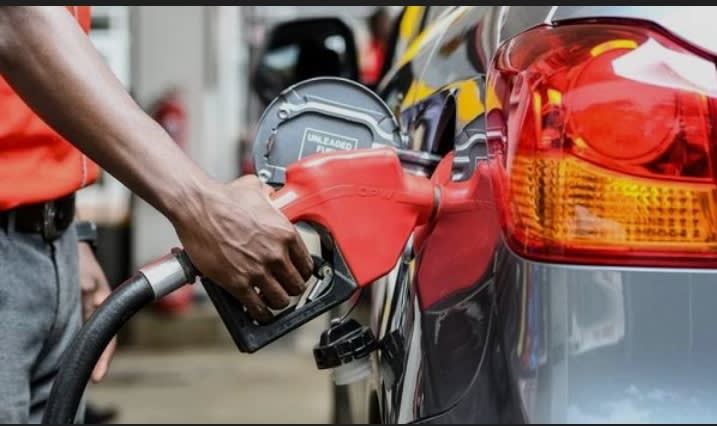
Nigeria is experiencing a sharp increase in fuel prices, with the cost of petrol rising from around ₦750 per litre in recent weeks to as high as ₦1,000–₦1,300 per litre in some parts of the country.
The surge has intensified economic pressure on citizens, leading to higher transportation fares, increased food prices and growing concern among households already struggling with the rising cost of living.
Analysts attribute the increase to ongoing market adjustments, foreign exchange challenges and reforms in Nigeria’s downstream oil sector. The administration of Bola Ahmed Tinubu has maintained that these reforms are necessary to stabilise the economy, attract investment and reduce long-term fiscal burdens.
However, opposition figures and labour unions have raised concerns over the impact of the price hike on ordinary Nigerians. Many are calling for urgent intervention measures, including relief programmes and improved public transportation systems to cushion the effects.
The development has also drawn attention from the National Assembly of Nigeria, where lawmakers are urging closer monitoring of fuel pricing and regulatory processes to ensure transparency and fairness.
Economic experts warn that sustained increases in fuel prices could further drive inflation and place additional strain on small businesses, particularly those dependent on transportation and logistics.
As discussions continue, fuel pricing remains a major economic and political issue, with potential implications for public sentiment and policy direction ahead of the 2027 general elections.
© 2026 Aliu Azeema | Tal
kAfricang.com

Comments (0)
Leave a Comment