
Mansa Musa, the king of Mali in the 14th century, is often said to be the richest person ever, with a fortune worth around $400 billion today. He got rich from controlling West Africa's gold and salt trade, making Mali a major economic center back then. His empire was big, covering a major part of West Africa, and he was in charge of politics, military, and trade.
Mansa Musa became emperor in 1312 and made Mali even bigger and richer. His empire stretched from the Atlantic coast to deep inside West Africa, including important cities like Timbuktu, Gao, and Djenné. As "Mansa" (emperor), he controlled a region that produced about half of the world's gold, making him very powerful.
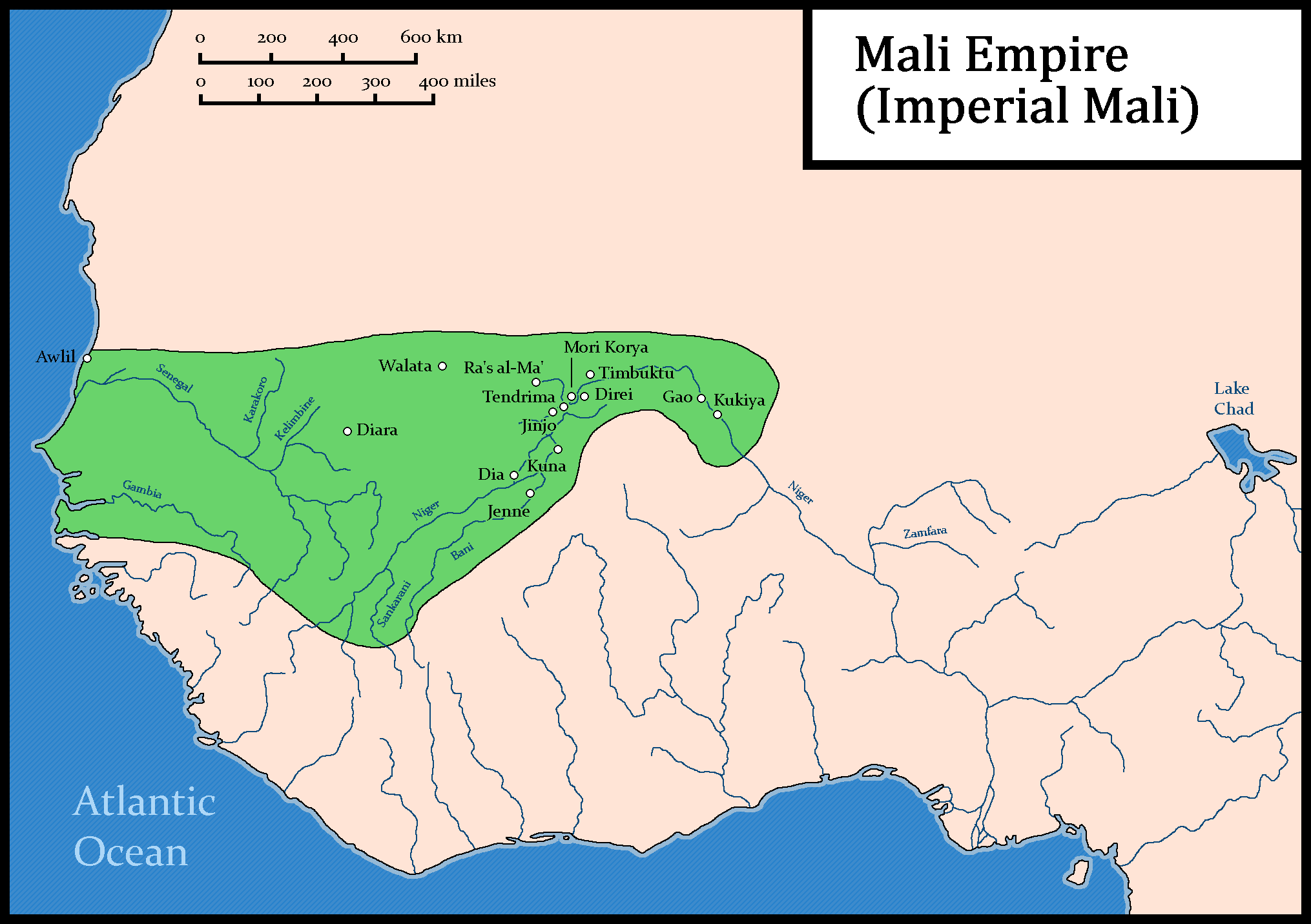
Map showing the Mali Empire under Mansa Musa, including cities like Timbuktu, Gao, and Djenné.
Photo Credit: Wikipedia
Mansa Musa's wealth came from three main things which includes gold, salt, and trade. Mali had rich goldfields, and they controlled the trade routes for salt and other goods across the Sahara Desert. He taxed merchants moving stuff through his land, making him rich. He was basically the boss of a huge trading network, and it made him ridiculously rich.
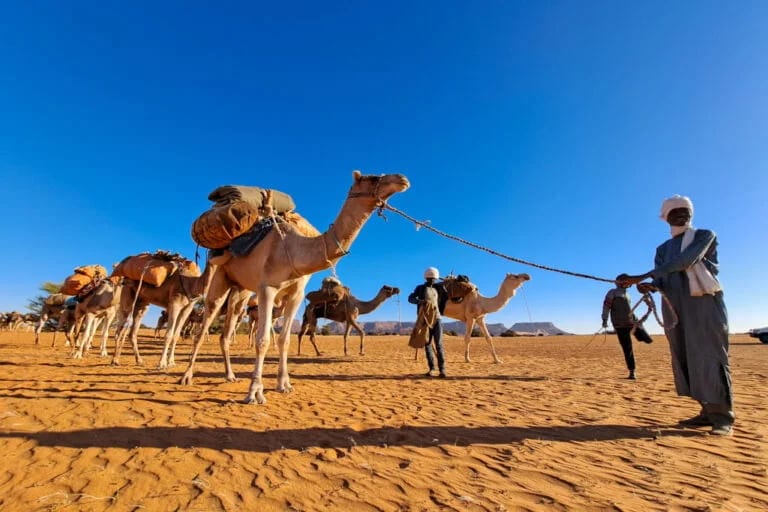
Camel caravans crossing the Sahara Desert, showing how gold and salt were traded across West Africa.
Photo Credit: Kuma Konda
Mansa Musa's pilgrimage (Hajj) to Mecca in 1324 made him famous worldwide. He traveled with a huge group of people, including soldiers, officials, and servants, and carried so much gold that the entire places he visited felt its impact. In Cairo, he gave away loads of gold, which actually affected the local economy, because it made gold less valuable for years! However, his trip was a smart move to build relationships and bring back new ideas.
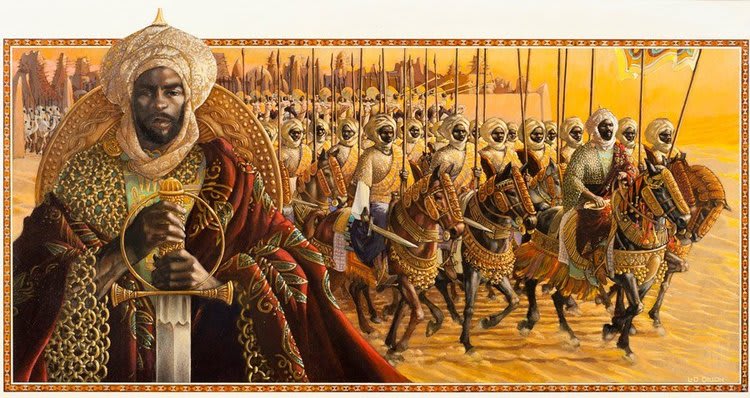
An artistic depiction of Mansa Musa.
Aside from the display of wealth, Mansa Musa’s pilgrimage (Hajj) was also an act of cultural investment. On his return, he brought back Arab scholars, architects, and books, commissioning the construction of mosques and madrasas that turned Timbuktu into a major center of Islamic learning and trade.The Djinguereber Mosque, built in 1327 under his patronage, became one of the most important religious and scholarly places in West Africa.
People today still talk about Mansa Musa as maybe the richest person ever, not just because of his wealth, but because he controlled a big part of the world's gold supply back then. His story shows that Africa's past is full of impressive leaders and societies that were way ahead of their time.
2026 Bernice Temitayo Olusaiye | Talkafricang.com

Comments (0)
Leave a Comment