
🥣 Fura da Nono: Northern Nigeria's Refreshing Traditional Delight
Fura da Nono is one of the most cherished traditional foods in Northern Nigeria and several West African countries. Popular among the Fulani people, this wholesome dish combines fura spiced millet balls with nono, a naturally fermented fresh cow's milk. The result is a creamy, slightly tangy, nutritious meal that is enjoyed as breakfast, lunch, or a refreshing snack, especially during hot weather. Beyond its delicious taste, Fura da Nono represents the rich cultural heritage, hospitality, and culinary traditions of the Fulani community.
What is Fura?
Fura is made from millet flour mixed with aromatic spices such as ginger, cloves, black pepper, and sometimes chili pepper. The mixture is shaped into balls, cooked in boiling water, and then pounded until smooth. The finished balls are firm but soft enough to be crumbled into nono before serving.
What is Nono?
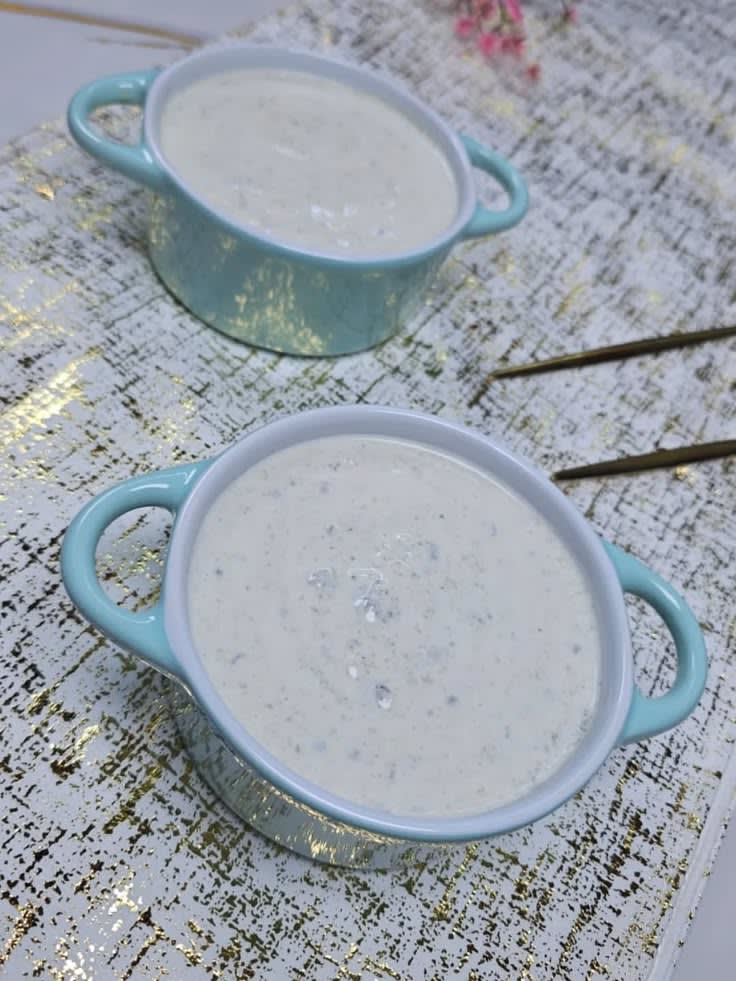
Nono is fresh cow's milk that has been naturally fermented. It has a creamy texture and a mildly sour taste, similar to yogurt but much lighter. Traditionally, Fulani cattle herders prepare nono using fresh milk collected from their cows. The fermentation process not only gives it its distinctive flavor but also helps preserve the milk and supports beneficial bacteria that aid digestion.
How Fura da Nono is Prepared
Preparing Fura da Nono involves two main steps. First, millet flour is blended with spices, formed into balls, boiled, and pounded into a smooth consistency. Separately, fresh cow's milk is fermented to produce nono. When ready to serve, the fura balls are broken into small pieces and mixed thoroughly into the nono until a smooth, creamy consistency is achieved. Depending on personal preference, sugar or honey may be added to enhance the sweetness.
Nutritional Benefits
Fura da Nono is packed with nutrients that make it both filling and nourishing.
Rich in carbohydrates from millet, providing long-lasting energy.
High in protein from fermented milk, supporting muscle growth and repair.
Excellent source of calcium, which strengthens bones and teeth.
Contains dietary fiber, promoting healthy digestion.
Provides vitamins and minerals such as iron, magnesium, phosphorus, and B vitamins.
Contains probiotics from the fermented milk, which support gut health and improve digestion.
Cultural Importance
Fura da Nono is more than just a meal it is an important symbol of Fulani culture and hospitality. It is commonly sold by local vendors in markets and along roadsides across Northern Nigeria. During festivals, family gatherings, and community celebrations, it is often served to guests as a sign of warmth and generosity. Over the years, the dish has gained popularity across Nigeria and is now enjoyed by people from many ethnic backgrounds.
Why People Love Fura da Nono
One of the reasons Fura da Nono is so popular is its unique balance of flavors. The spicy, earthy taste of the millet perfectly complements the creamy, tangy flavor of the fermented milk. It is refreshing, satisfying, and ideal for Nigeria's warm climate. Many people also appreciate its nutritional value, affordability, and ability to keep them full for hours. Whether enjoyed at home or purchased from a roadside vendor, Fura da Nono remains a favorite traditional delicacy.
Modern Variations
While the traditional recipe remains the most popular, modern versions often include evaporated milk, powdered milk, yogurt, vanilla flavoring, fruits, or sweeteners such as honey. These variations make the dish more appealing to younger generations while preserving its authentic essence
Fura da Nono is a timeless African delicacy that beautifully combines nutrition, flavor, and culture. Its wholesome ingredients, refreshing taste, and rich history have made it one of Northern Nigeria's most treasured traditional foods. Whether served as a meal, dessert, or refreshing drink, Fura da Nono continues to bring people together and celebrate the rich culinary heritage of the Fulani people. It remains a perfect example of how simple, natural ingredients can create a delicious and highly nutritious dish enjoyed across generations.
© 2026|Osho Deborah|Talk Africa NG.com

Comments (0)
Leave a Comment