Ghana today celebrates its Independence Day,

commemorating the historic moment the West African nation gained freedom from British colonial rule on March 6, 1957. The day remains one of the most significant milestones in Ghana’s history, symbolizing the triumph of self-determination and the birth of a sovereign African state.
Independence Day celebrations across the country are marked by parades, cultural displays, patriotic speeches, and national reflection. Government officials, traditional leaders, students, and citizens gather in major cities, especially in Accra, to honour the sacrifices of those who fought for the country’s freedom.
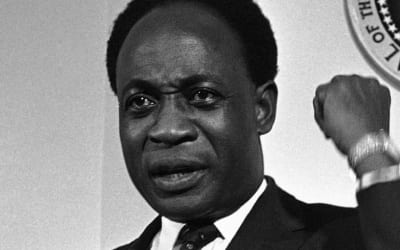
The struggle for independence was led by nationalist leader Kwame Nkrumah, whose vision and political mobilization helped transform the then Gold Coast into modern-day Ghana. Upon independence, Nkrumah declared that the nation’s freedom would be meaningless unless it was linked with the total liberation of Africa—words that later inspired independence movements across the continent.

Ghana’s independence in 1957 made it the first sub-Saharan African country to break free from European colonial rule, setting a powerful precedent for other African nations seeking sovereignty during the wave of decolonization in the mid-20th century.
Today, the celebration serves not only as a remembrance of the past but also as a call for unity, progress, and national development. As citizens wave the red, gold, and green flag with pride, the country reflects on its journey since independence and renews its commitment to building a stronger and more prosperous nation.

Comments (0)
Leave a Comment