
The Osun osogbo Sacred Grove is one of Nigeria’s most spiritually powerful heritage sites, hidden within the ancient forests of Osogbo. It stands as the last surviving sacred forest of the Yoruba people, preserved for centuries as the spiritual home of the river goddess Osun.
The grove stretches along the banks of the Osun River and contains shrines, sculptures, sacred temples, courtyards, and ancient paths used for worship. For the Yoruba people, Osun is not just a goddess of water. She represents fertility, healing, protection, womanhood, and divine balance. The grove therefore became more than a forest. It became a bridge between humanity and the unseen world.
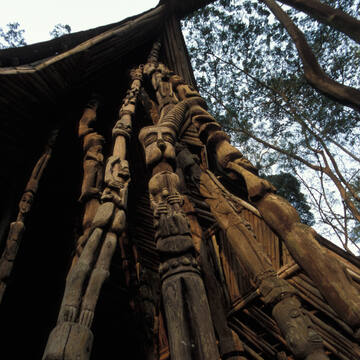 Historically, the grove dates back several centuries to the early settlement of Osogbo. Oral tradition says the founders of the town made a covenant with the goddess Osun after she helped them survive hardship and guided them to fertile land. In return, the people promised to honor and protect the forest forever. That promise shaped the identity of Osogbo itself.
During the colonial period and the spread of modernization, many sacred forests across Yorubaland disappeared. Yet the Osun-Osogbo Grove survived largely because of traditional worshippers and cultural defenders who refused to
let the spirit of the land die. One major figure in its preservation was Susanne Wenger, an Austrian artist who became deeply connected to Yoruba spirituality and helped restore many of the shrines and sculptures found in the grove today.
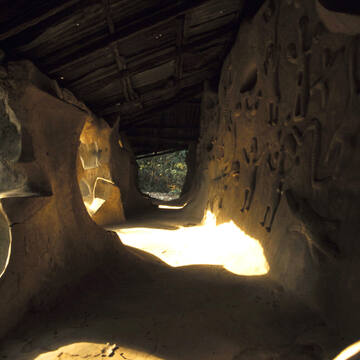 In 2005, UNESCO recognized the grove as a World Heritage Site because of its cultural, spiritual, and artistic importance. It remains one of the strongest surviving examples of sacred Yoruba tradition in the modern world.
Every year, the famous Osun-Osogbo Festival draws thousands of worshippers, tourists, traditional priests, and cultural lovers from across the globe. The festival is filled with drumming, white garments, spiritual processions, prayers, river offerings, and deep ancestral symbolism.
At the center of it all stands the Arugba, the virgin calabash carrier, who symbolically carries the prayers of the people to the goddess.
The grove is not silent history. It still breathes. The trees whisper old prayers. The river still carries myths older than empires. In an age where concrete keeps swallowing memory, Osun-Osogbo remains a sacred reminder that Africa once built civilizations around spirituality, nature, and harmony with the earth.
And perhaps that is the true power of the grove: not merely that people visit it, but that it still remembers who the people are.
© 2026 Ikeun Divine Michael | TalkAfricang.com


Comments (0)
Leave a Comment