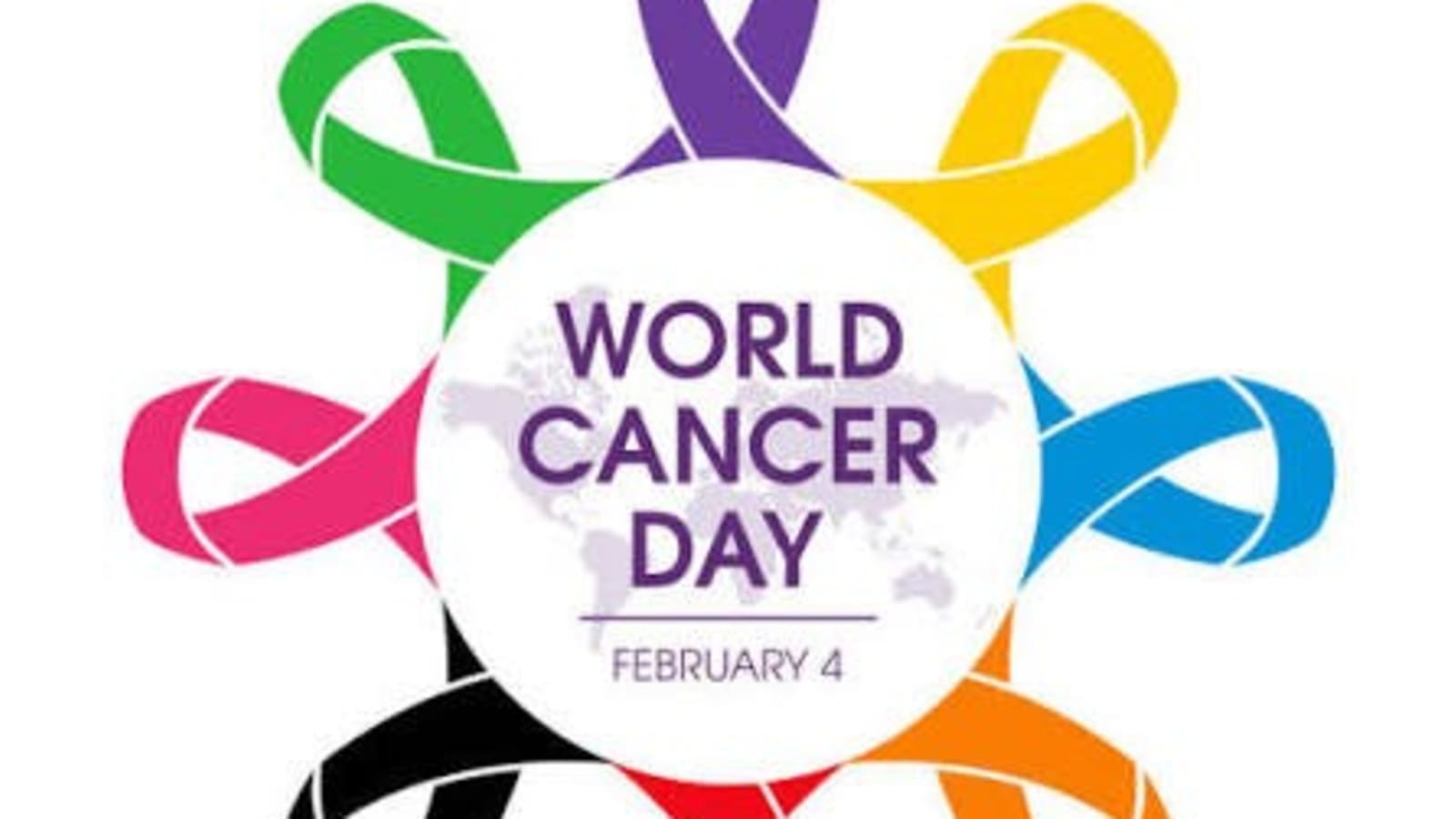
World Cancer Day: Understanding Cancer and Why Awareness Matters

World Cancer Day: Understanding Cancer and Why Awareness Matters

World Cancer Day: Understanding Cancer and Why Awareness Matters

Every year on February 4th, the world comes together to observe World Cancer Day, a day dedicated to raising awareness, promoting prevention, encouraging early detection, and supporting those affected by cancer.

Cancer affects millions of people worldwide, but with the right knowledge and action, many cases can be prevented or successfully treated.

What Is Cancer?

Cancer is a disease that occurs when abnormal cells grow uncontrollably in the body.

Under normal conditions, our body cells grow, divide, and die in a controlled and organized way. However, when this process goes wrong, cells continue to multiply without control. These abnormal cells can form a lump or mass called a tumor.

There are two main types of tumors:

  • Benign tumors – These are not cancerous and do not spread to other parts of the body.
  • Malignant tumors – These are cancerous and can spread to nearby tissues or other organs. This spread is called metastasis.

Cancer can develop in almost any part of the body, including the breast, cervix, prostate, lungs, blood, skin, and many more.

What Causes Cancer?

Cancer is caused by changes (mutations) in a cell’s DNA. These changes may result from:

  • Tobacco use
  • Excessive alcohol consumption
  • Unhealthy diet
  • Lack of physical activity
  • Certain infections like HPV and hepatitis
  • Exposure to harmful chemicals or radiation
  • Family history or genetic factors

Some risk factors can be controlled, while others cannot. This is why prevention and regular health checks are important.

Why Early Detection Is Important

Early detection saves lives.

When cancer is discovered at an early stage, treatment is more likely to be successful. Screening tests such as breast exams, Pap smears, prostate checks, and other medical screenings help detect cancer before symptoms become severe.

Vaccinations like the HPV vaccine can also help prevent certain cancers, such as cervical cancer.

Call to Action

On this World Cancer Day, let us:

  • Prioritize regular health check-ups

  • Encourage cancer screening

  • Support people living with cancer

  • Adopt healthier lifestyles

  • Spread awareness in our communities

Cancer is a serious disease, but knowledge, prevention, and early action can make a powerful difference.

Together, we can reduce the burden of cancer and create a healthier future for everyone.

© 2026 Ukachi Rejoice| TalkAfricang.com

Filed under: health

Share this article

Keep Reading

More stories you might find interesting

Seasonal Malaria Chemoprevention: Protecting Children During Malaria Season
news

Seasonal Malaria Chemoprevention: Protecting Children During Malaria Season

Seasonal Malaria Chemoprevention (SMC) is a preventive strategy used to protect children from malaria during periods of high transmission, especially in regions where malaria is seasonal. It involves giving eligible children antimalarial medicines at monthly intervals throughout the malaria season to reduce the risk of infection. SMC is particularly important for children under five years of age, who are most vulnerable to severe malaria. The intervention has been proven to reduce malaria cases, hospital admissions, and deaths among children. Its success depends on the active participation of parents, caregivers, healthcare workers, and communities. By providing protection during peak malaria periods, SMC plays a vital role in improving child health and reducing the burden of malaria in affected regions.

Hernia: A Complete Medical Guide to Causes, Types, Symptoms, Diagnosis, and Treatment
health

Hernia: A Complete Medical Guide to Causes, Types, Symptoms, Diagnosis, and Treatment

Hernia occurs when an internal organ or tissue pushes through a weak spot in the surrounding muscle or connective tissue, often causing a visible bulge, discomfort, or pain. Common types include inguinal, hiatal, umbilical, ventral, and incisional hernias. Risk factors include heavy lifting, obesity, pregnancy, chronic coughing, and previous surgeries. While small hernias may be monitored, surgery is the only definitive treatment. Early diagnosis and proper management are important to prevent serious complications such as intestinal blockage or strangulation, which can become life-threatening if left untreated. Always seek professional medical advice if symptoms develop.

Tetanus: Causes, Symptoms, Prevention, and Treatment
health

Tetanus: Causes, Symptoms, Prevention, and Treatment

Tetanus is a serious infectious disease caused by Clostridium tetani, usually entering the body through cuts or wounds. It affects the nervous system and causes muscle stiffness, spasms, and lockjaw. Tetanus can be prevented through vaccination, proper wound care, and clean delivery practices. Early treatment is important because severe cases can lead to breathing difficulties and death.

Comments (0)

Leave a Comment

0/1000
Loading comments...