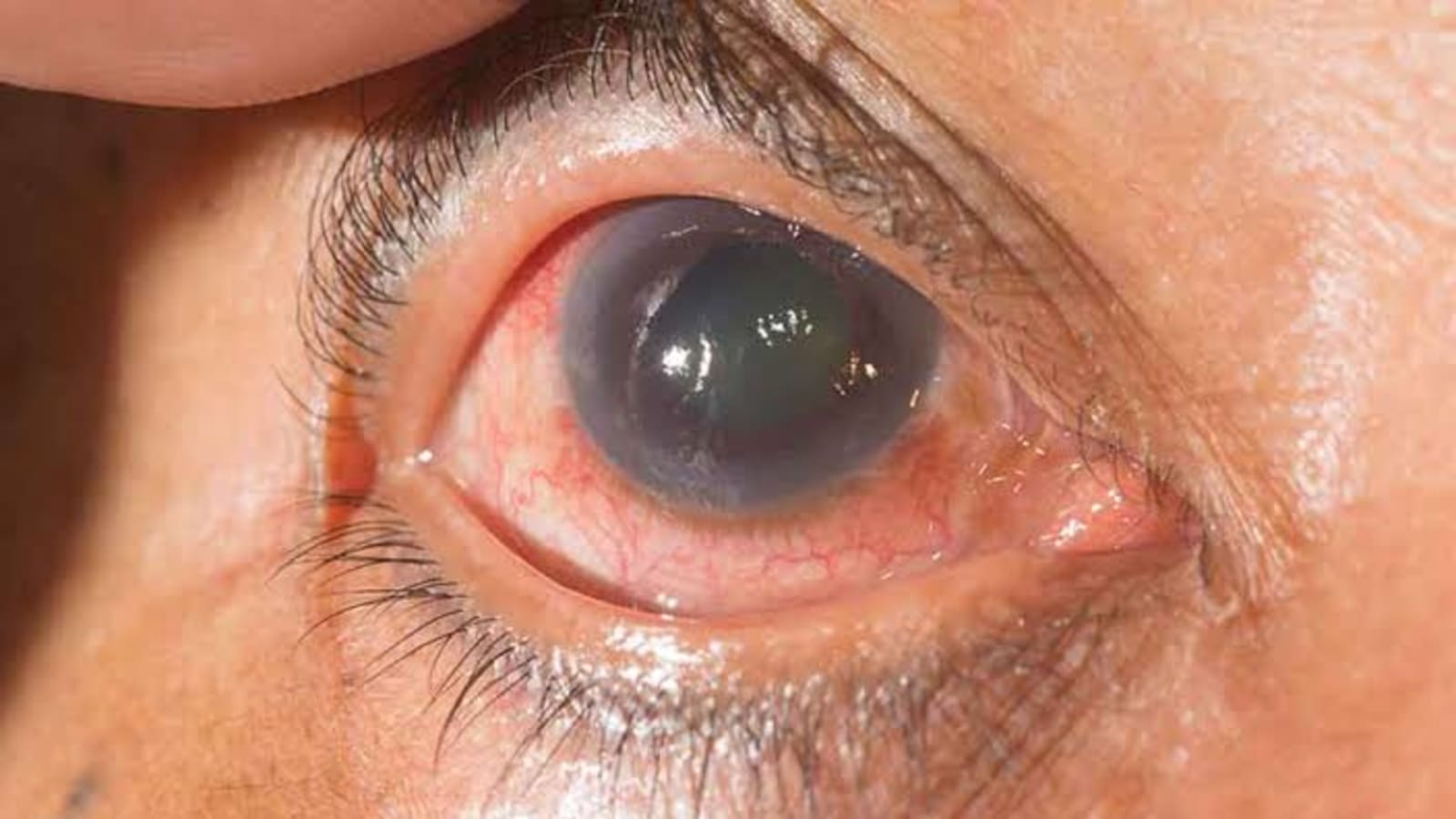
Did you know that glaucoma is one of the leading causes of irreversible blindness worldwide? Often called the “silent thief of sight”, glaucoma slowly damages your optic nerve, usually without early warning signs. Many people don’t even realize they have it until significant vision loss has occurred. Understanding glaucoma is the first step to protecting your eyes.
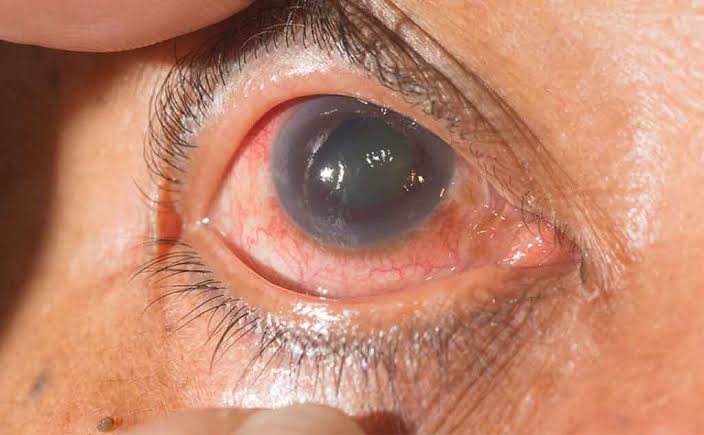
What is Glaucoma?
Glaucoma is a group of eye conditions where increased pressure inside the eye (intraocular pressure) damages the optic nerve, leading to progressive, irreversible vision loss. While it can affect anyone, early detection and proper treatment can prevent blindness.
Causes of Glaucoma
The main cause of glaucoma is the buildup of fluid in the eye, which increases pressure. This pressure damages the optic nerve fibers, resulting in vision loss. Other contributing factors include:
- Eye injuries or trauma
- Certain medications, such as long-term steroid use
- Eye infections or inflammation
- Congenital defects (present from birth)
Types of Glaucoma
Glaucoma can be classified into several types
1. Open-Angle Glaucoma (most common)
- Develops slowly
- Drainage angle is open but fluid does not drain properly
- Often no early symptoms
2. Angle-Closure Glaucoma (medical emergency)
- Sudden blockage of drainage
- Rapid rise in eye pressure
- Symptoms include severe eye pain, headache, halos, and nausea
3. Congenital Glaucoma
- Present at birth
- Caused by abnormal eye development
4. Secondary Glaucoma
Caused by another condition, such as eye trauma, diabetes, or infections
Signs and Symptoms of Glaucoma
Glaucoma is often asymptomatic in early stages, but symptoms may appear as the disease progresses:
✓Gradual (Open-Angle Glaucoma)
• Subtle loss of peripheral vision
• Blind spots (scotomas)
• Tunnel vision in advanced stages
✓ Sudden (Angle-Closure Glaucoma – Emergency)
• Severe eye pain and pressure
• Red eyes and blurred vision
• Halos around lights
• Nausea and vomiting
• Sudden loss of vision
Early detection is crucial, as vision lost due to glaucoma is irreversible.
Risk Factors for Glaucoma
Certain factors increase the risk of developing glaucoma:
- Age over 40 years
- Family history of glaucoma
- Diabetes or hypertension
- Prolonged steroid use
- Eye injuries
- African or Latino descent (higher prevalence)
Diagnosis
Glaucoma is diagnosed through:
- Tonometry: Measures intraocular pressure
- Visual field tests: Detect blind spots and peripheral vision loss
- Fundoscopy: Examines the optic nerve
- Gonioscopy: Evaluates the drainage angle of the eye
Treatment Options
While vision lost cannot be restored, treatment can prevent further damage:
- Eye drops: Reduce eye pressure
- Oral medications: For more severe cases
- Laser therapy: Improves fluid drainage
- Surgery: Creates a new drainage pathway or implants a shunt
Note: Do not take any medication without a doctor’s prescription. The information provided here is for educational purposes only and is not a substitute for professional medical advice, diagnosis, or treatment. Always consult an eye care professional for any concerns about your vision.
Prevention and Eye Care Tips
- Schedule regular eye exams, especially if at risk
- Maintain healthy blood pressure and blood sugar levels
- Avoid prolonged steroid use unless prescribed
- Protect your eyes from excessive sunlight with sunglasses
Final Thought
Glaucoma may quietly steal your sight, but with awareness, early detection, and proper management, you can protect your vision for life. Don’t wait for symptoms; regular eye checkups are your best defense.
© 2026 Ukachi Rejoice| TalkAfricang.com


Comments (0)
Leave a Comment