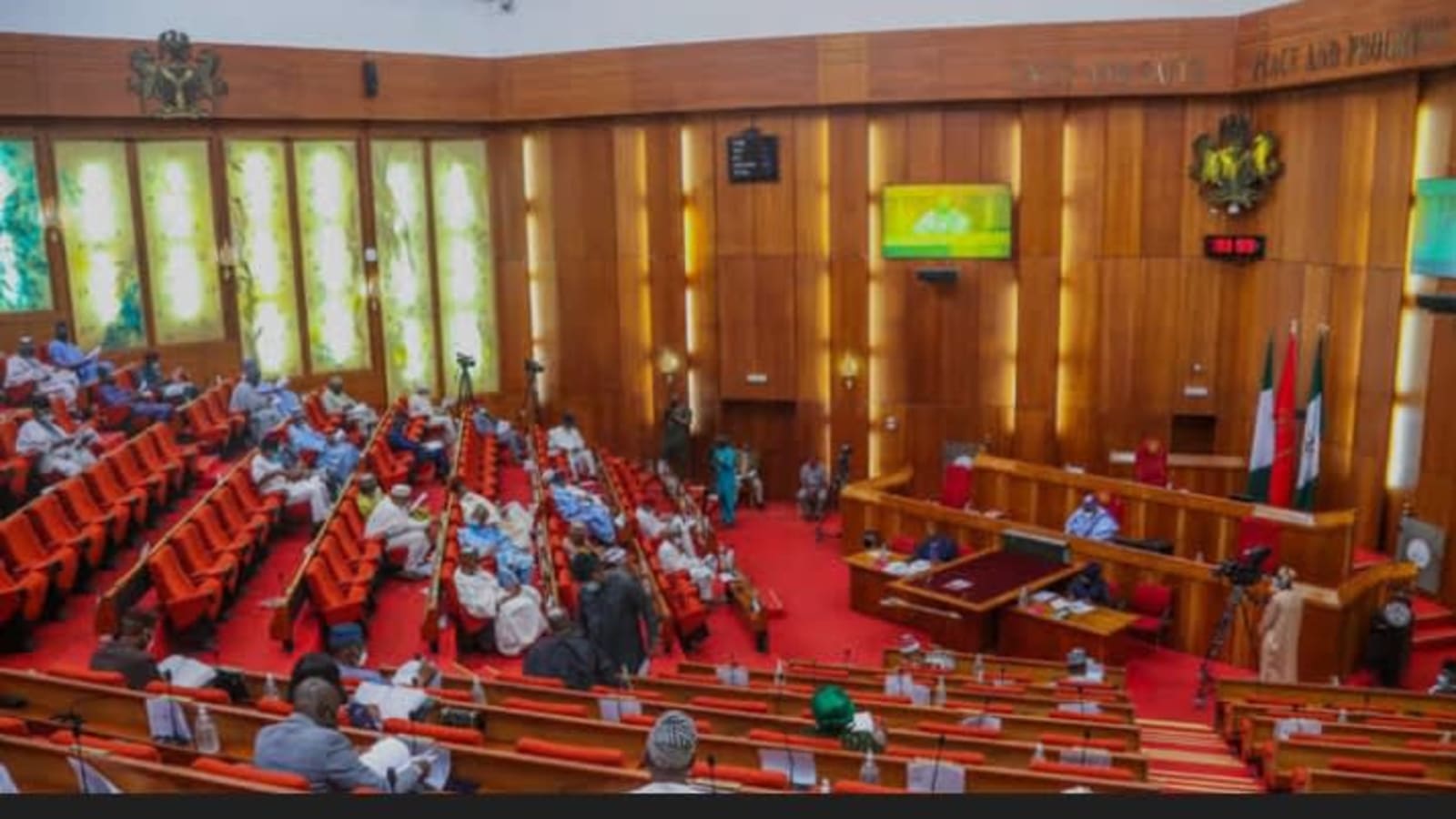
National Assembly of Nigeria is facing increasing pressure to accelerate critical reforms as public concern grows over insecurity, governance challenges and the state of the economy.
In recent weeks, calls from political stakeholders, civil society organisations and policy analysts have intensified, urging lawmakers to prioritise key legislative actions, particularly in areas such as state policing, electoral reform and fiscal restructuring. These issues are widely seen as central to addressing Nigeria’s evolving security and governance challenges.
Observers note that while discussions on these reforms have been ongoing for some time, progress has been slow, raising questions about the urgency and political will required to implement meaningful change. The delay has contributed to growing public frustration, especially as economic pressures continue to affect daily life across the country.
Within political circles, the push for reform is also taking on a strategic dimension. Analysts suggest that how the National Assembly responds could influence public perception and political alignment ahead of the 2027 general elections. For many stakeholders, the reforms are not just policy matters but also indicators of leadership responsiveness and institutional effectiveness.
Among the most debated proposals is the creation of state police, which proponents argue would improve local security management and reduce the burden on federal agencies. However, critics have raised concerns about potential misuse and the need for strong legal safeguards.
Similarly, discussions around electoral reforms continue to generate attention, with calls for improvements in transparency, technology use and dispute resolution mechanisms to strengthen public confidence in the democratic process.
Lawmakers, however, maintain that reforms of this scale require careful deliberation, broad consultation and constitutional backing. Some members of the Assembly have stressed that rushing such changes could lead to unintended consequences and legal complications.
Despite these assurances, pressure continues to mount as Nigerians demand more decisive action. Analysts believe that the coming months will be critical in determining whether the National Assembly can translate ongoing discussions into concrete legislative outcomes.
As the country gradually moves toward another election cycle, the pace and direction of these reforms are expected to play a significant role in shaping Nigeria’s political landscape and public trust in democratic institutions.
© 2026 Aliu Azeema | TalkAfricang.com


Comments (0)
Leave a Comment