
Kelewele: The Sweet and Spicy Pride of Ghanaian Street Cuisine
Kelewele is one of the most treasured and widely enjoyed street foods in Ghana. Known for its irresistible combination of sweetness and spice, this beloved delicacy is made from ripe plantains that are carefully seasoned with aromatic spices and deep-fried until golden brown. Over the years, kelewele has grown beyond being just a simple snack to becoming a major symbol of Ghanaian culinary culture and identity. Whether sold by roadside vendors, prepared in homes, or served at social gatherings, kelewele continues to capture the hearts of both locals and visitors with its unforgettable flavor and comforting appeal.
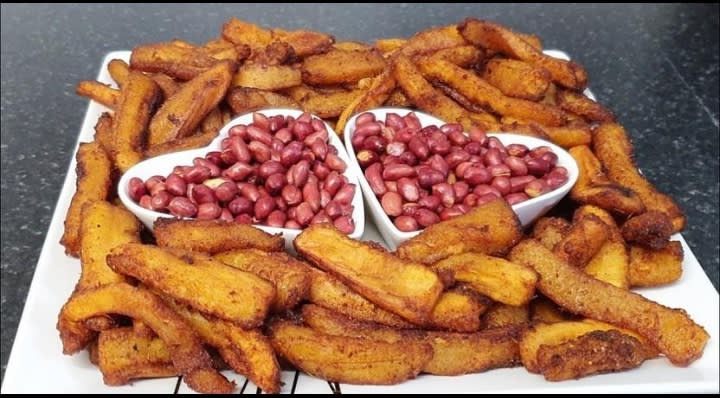
The name “kelewele” is strongly associated with the lively street food culture of Ghana. In cities such as Accra and Kumasi, it is common to find vendors selling hot portions of kelewele during the evening hours. The smell of sizzling plantains mixed with ginger and pepper often fills the air, attracting hungry customers from all walks of life. Students, office workers, taxi drivers, traders, and tourists frequently stop by these stalls to enjoy the delicacy either as a quick snack or as a satisfying meal accompaniment.
The preparation of kelewele may seem simple, but the secret behind its popularity lies in its unique seasoning and method of cooking. The dish begins with ripe plantains that are peeled and cut into cubes or diagonal slices. These pieces are then mixed with a flavorful blend of spices that usually includes ginger, garlic, cayenne pepper, cloves, nutmeg, salt, and onions. Some cooks also add chili powder or black pepper to increase the heat and intensity of the flavor. After marinating for a short period, the plantains are deep-fried in hot vegetable oil until they become crispy on the outside and soft on the inside.
One of the reasons kelewele stands out among African snacks is its remarkable balance of flavors. The natural sweetness of ripe plantains blends perfectly with the spicy and aromatic seasoning, creating a taste that is both exciting and comforting. Each bite offers a mix of sweetness, warmth, slight smokiness, and crunchiness that leaves a lasting impression. This delicious contrast of flavors is what makes kelewele unique and highly addictive to many food lovers.
Kelewele is often enjoyed on its own, but it can also be paired with several other foods. In many Ghanaian homes and restaurants, it is served alongside roasted groundnuts, grilled chicken, fried fish, or rice dishes. Some people even eat it with beans or spicy sauces for a more filling experience. During social events and evening gatherings, kelewele is commonly accompanied by soft drinks, fruit juices, or chilled beverages, making it a favorite comfort food for relaxation and entertainment.
Apart from its mouthwatering taste, kelewele also carries important nutritional value. Plantains are a rich source of carbohydrates, which provide energy for the body. They also contain dietary fiber that supports healthy digestion and helps maintain gut health. In addition, plantains are packed with potassium, vitamin A, vitamin C, and vitamin B6, all of which contribute to proper body function and overall wellness. The spices used in kelewele also offer health benefits. Ginger and garlic, for example, are known for their antioxidant and anti-inflammatory properties, while pepper may help improve metabolism and circulation.
Kelewele is deeply connected to Ghanaian culture and social life. It is more than just food; it represents warmth, hospitality, and togetherness. Families often prepare it during celebrations, evening relaxation, or casual visits from friends and relatives. Sharing a plate of hot kelewele while engaging in conversations has become a common and cherished experience in many Ghanaian communities. Its affordable nature also makes it accessible to people from different economic backgrounds, helping it remain one of the country’s most loved snacks.
The delicacy has also gained popularity beyond the borders of Ghana. Across different African countries and international communities, kelewele is increasingly being recognized as one of West Africa’s finest street foods. African restaurants in countries such as the United Kingdom, United States, and Canada now include kelewele on their menus, introducing more people to the rich flavors of Ghanaian cuisine. Food bloggers, chefs, and travelers also continue to celebrate the delicacy for its simplicity, bold taste, and cultural importance.
Interestingly, different regions and households in Ghana prepare kelewele in slightly different ways. Some recipes focus on intense spiciness, while others emphasize sweetness and aroma. Certain vendors add extra onions or cloves to create a stronger flavor profile, while others prefer a lighter seasoning. These variations reflect the creativity and diversity within Ghanaian cooking traditions.
Kelewele’s popularity has remained strong through generations because it combines convenience, flavor, affordability, and cultural pride in one dish. Despite the rise of modern fast foods and international cuisines, kelewele continues to hold a special place in the hearts of many Ghanaians. It reminds people of home, community, and the joy of enjoying simple but delicious food.
kelewele is far more than a plate of fried plantains. It is a powerful expression of Ghanaian heritage, creativity, and hospitality. Its spicy aroma, golden appearance, and satisfying taste make it one of the most iconic delicacies in West African cuisine. Whether eaten from a roadside stall in Ghana or prepared in kitchens around the world, kelewele continues to bring people together and proudly showcase the richness of African food culture.
©2026|Osho Deborah|Talkafricang.com


Comments (0)
Leave a Comment