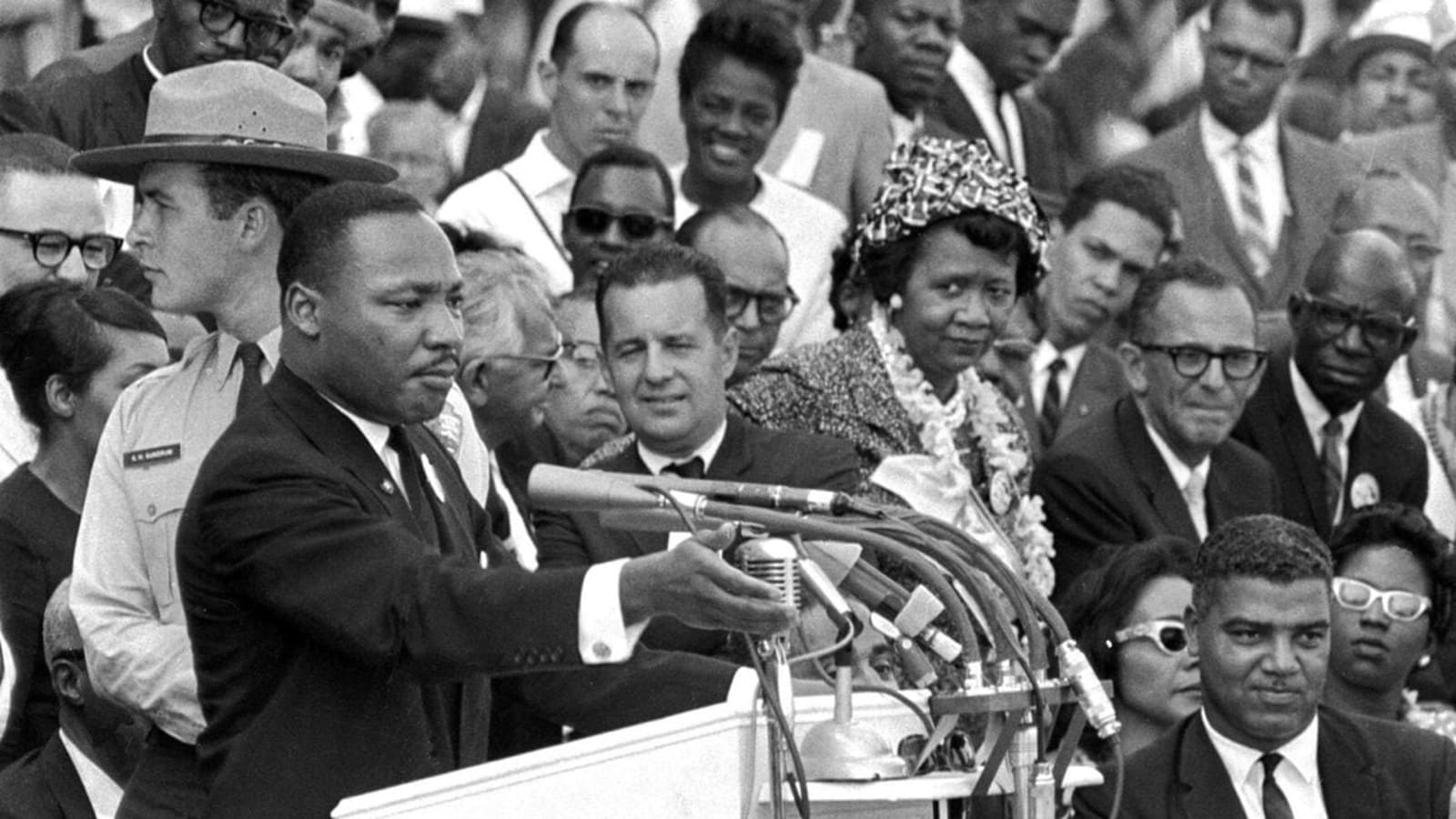
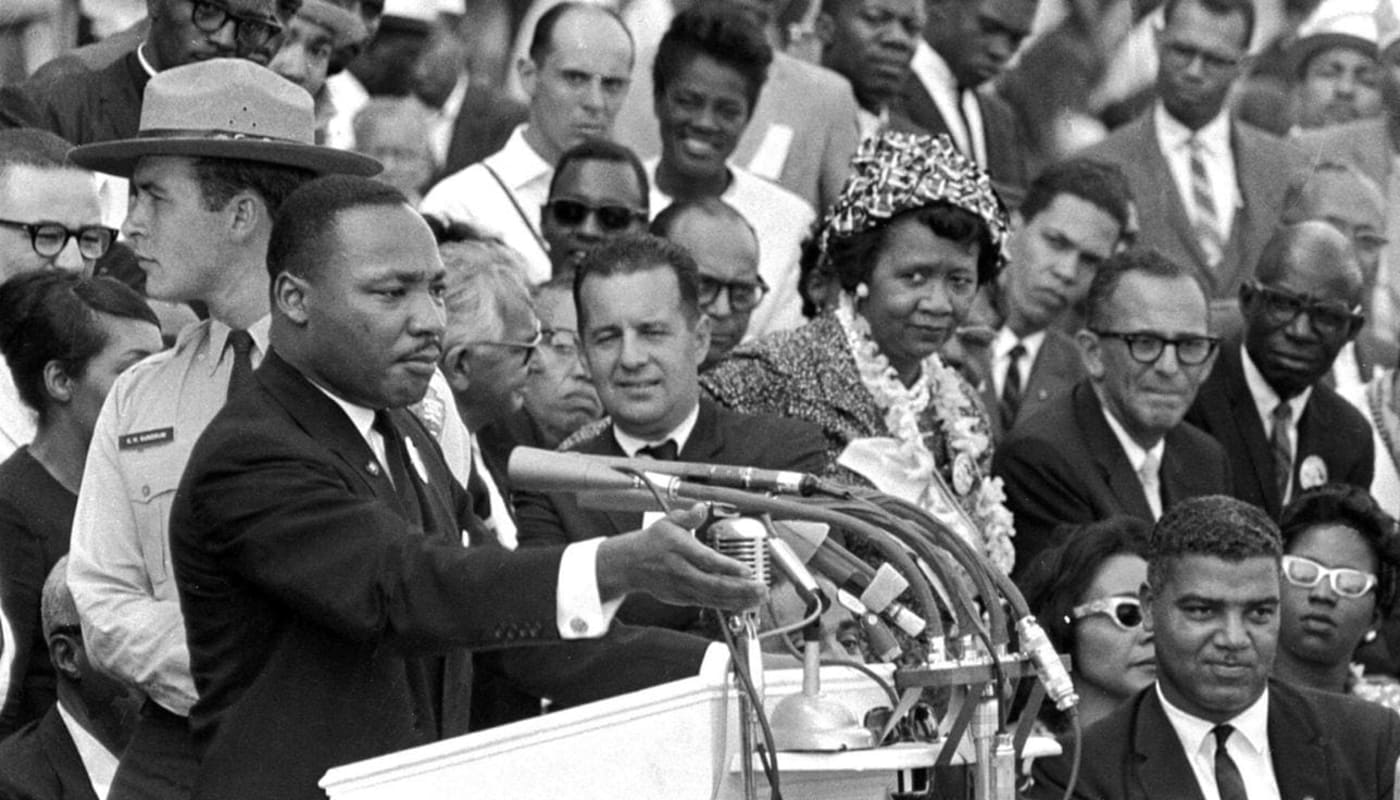
«“I have a dream that one day even the state of Mississippi, a state sweltering with the heat of injustice, sweltering with the heat of oppression, will be transformed into an oasis of freedom and justice.”
— Martin Luther King Jr., I Have a Dream, August 28, 1963.»
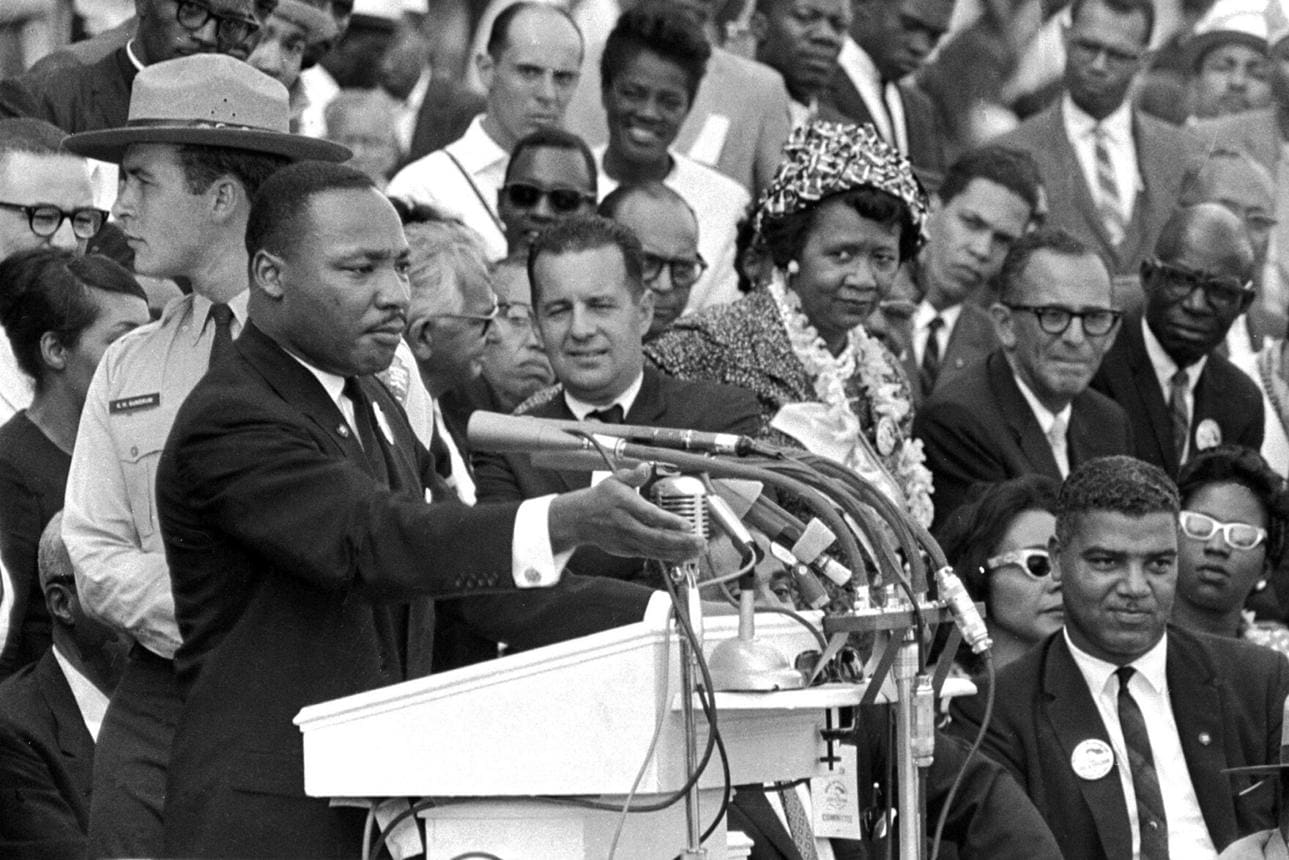
Martin Luther King Jr. addressing the March on Washington, August 28, 1963. Source: NPR / historical AP photograph.
More than six decades after Martin Luther King Jr. delivered his historic speech, his words about Mississippi remain relevant to the unfinished struggle for equality. The 2026 United States midterm elections have brought that history into fresh focus, offering an opportunity to examine political representation, racism, religious intolerance and the politics of division.
On November 3, American voters changed the balance of power in Washington, with Democrats securing control of both chambers of Congress. Beyond the rivalry between America's political parties, however, the election raises important questions for Africa, African Americans and the global Black diaspora: can democracy deliver economic opportunity without allowing racial, ethnic and religious divisions to define political life?
From King's Mississippi to a Changing America
King's reference to Mississippi was deliberate. The state represented some of America's worst experiences of racial segregation, voter suppression and violence against Black people. His dream was not simply about electing Black politicians; it was about building a society where dignity and opportunity were not determined by race.
The 2026 Mississippi Senate contest gives that history a contemporary dimension. Democrat Scott Colom carried Forrest County, named after Confederate general and Ku Klux Klan founder Nathan Bedford Forrest. Colom also remained narrowly ahead of Republican incumbent Cindy Hyde-Smith in the statewide count, although the contest was still unresolved as outstanding ballots were examined. A county victory is not a statewide result, but its historical symbolism is significant.
The wider election also produced historic milestones in Black political representation, including Keisha Lance Bottoms' election as the first Black woman governor in American history and Juliana Stratton's election to the Senate. Yet representation must ultimately translate into policies that improve people's lives.
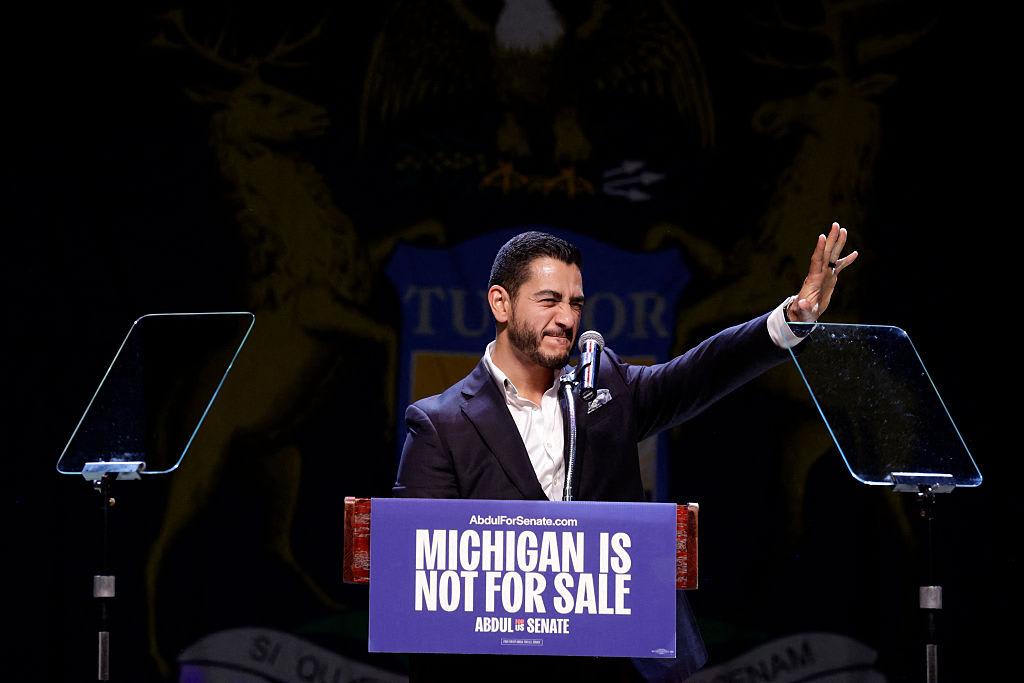
Abdul El-Sayed at a Detroit campaign rally. Source: AFP / Getty Images.
When Economic Hardship Becomes an Excuse for Bigotry
One of the most important lessons from American politics is that economic frustration can become dangerous when politicians redirect public anger towards people of another race or religion.
The campaign against Michigan Democrat Abdul El-Sayed demonstrated how Muslim identity could become a political weapon. During the campaign, he faced rhetoric associating his faith with extremism and terrorism. Such attacks shifted attention away from the issues voters needed candidates to address. His victory also demonstrated that religious identity does not automatically determine electoral rejection.
Africa should pay attention because this political pattern is not foreign to the continent.
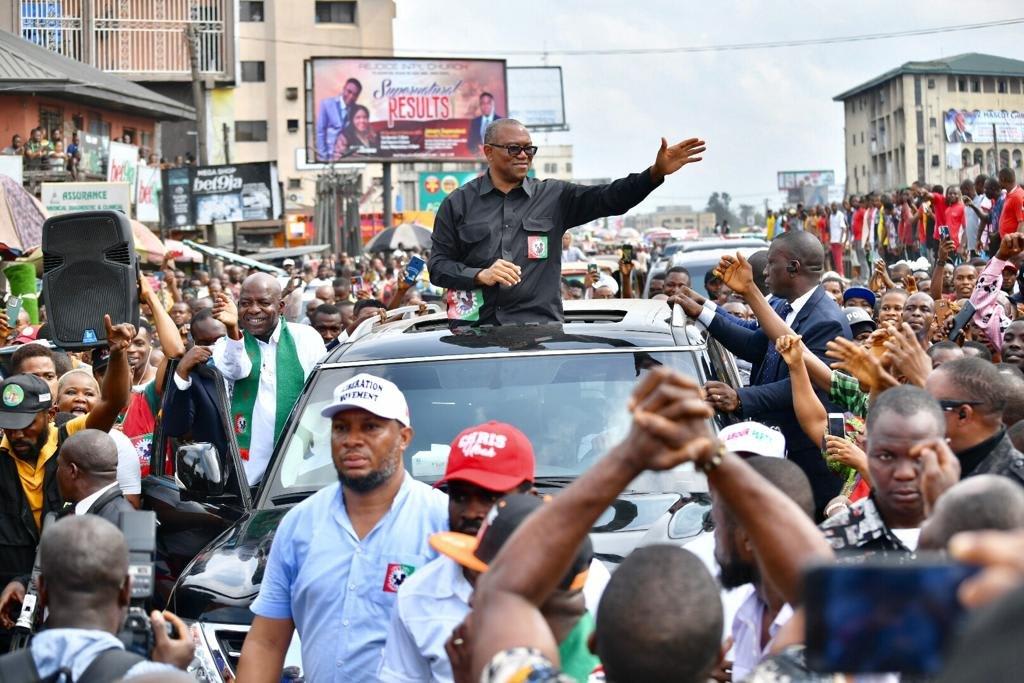
Peter Obi during his 2023 presidential campaign in Aba, Abia State. Source: Nairaland.
Nigeria's 2023 presidential election offers a striking example. Peter Obi's candidacy attracted considerable support, particularly among young voters, but political conversations frequently became entangled in ethnic and religious identities. Some voices framed Obi primarily through his Igbo background and Christian faith, while the slogan “Lagos is Yoruba land” became part of the wider controversy surrounding ethnic belonging and political participation.
Religious appeals also featured prominently. The APC's Muslim-Muslim presidential ticket generated intense debate, while research into online election discussions documented religious stereotyping, demonisation and attempts to portray political opponents as unacceptable because of their faith. These developments showed how easily political competition can become a contest over religious and ethnic identity rather than governance.
Kenya offers another example. During its 2022 election, ethnic alliances and voting networks remained influential despite the prominence of economic issues in the campaign. Research has also documented how anti-Luo rhetoric was used against Raila Odinga in earlier electoral contests. These experiences demonstrate that ethnic political mobilisation is not unique to Nigeria.
The lesson is straightforward: racism does not create jobs, tribalism does not reduce food prices, and religious bigotry does not improve public services. When citizens are struggling with inflation, unemployment and insecurity, they deserve economic solutions, not scapegoats.
What Washington's New Balance Means for Africa
A Democratic-controlled Congress can scrutinise President Donald Trump's policies and influence debates on foreign assistance and trade, although the White House retains significant foreign-policy authority.
Trade deserves particular attention. The African Growth and Opportunity Act (AGOA), which provides eligible sub-Saharan African countries with preferential access to the American market, remains an important part of US-Africa economic relations. Its future, implementation and eligibility requirements matter to African exporters, manufacturers and workers.
For Nigeria, South Africa and Kenya, the priority should be clear: engage Washington strategically, diversify trade partnerships and strengthen African markets rather than depend on the political fortunes of one American party.
A Shared Heritage, a Shared Responsibility
Africa and African Americans share a history shaped by forced separation, resistance and cultural connection. From W.E.B. Du Bois and Marcus Garvey to contemporary exchanges in business, education, music and technology, that relationship continues to evolve.
However, shared ancestry should become more than ceremonial celebration. African governments can build practical partnerships with diaspora-owned businesses, universities and professional networks. The diaspora can contribute investment, knowledge and expertise to the continent's development.
Beyond the Ballot
The 2026 US midterms remind us that democracy is about more than winning elections. It is also about protecting equal rights, holding leaders accountable and ensuring economic hardship does not become an excuse for discrimination.
Africa must learn that citizens cannot eat ethnic loyalty, religious identity or political propaganda. They need jobs, security, affordable living and accountable leadership.
King's dream remains unfinished, but its message is still relevant: dignity must never depend on race, religion or ancestry. The challenge for Africa and its global diaspora is to transform shared history into cooperation, justice and opportunity for all.








Comments (0)
Leave a Comment