CBN Tightens BVN Rules — What It Means for Bank Customers from May 1st

CBN Tightens BVN Rules — What It Means for Bank Customers from May 1st

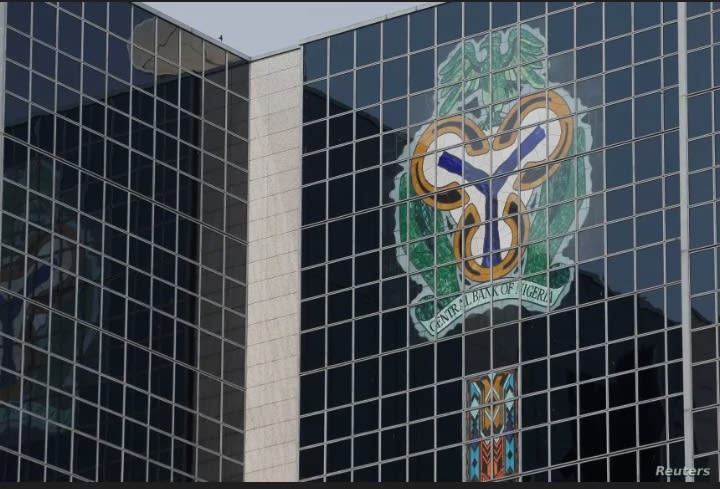
Nigeria’s central bank is introducing new rules around the Bank Verification Number (BVN), a move that could change how millions of people use digital banking services.

The Central Bank of Nigeria (CBN) says the measures, set to take effect from May 1, are aimed at strengthening security, reducing fraud and improving control over the country’s financial system.

But for many Nigerians, the real question is simple: what exactly will change?

Under the new guidelines, individuals will only be allowed to change the phone number linked to their BVN once in a lifetime, a step designed to reduce identity manipulation and SIM-related fraud.

The CBN is also introducing a fraud watchlist system, where accounts linked to suspicious transactions could face temporary restrictions for up to 24 hours while checks are carried out.

In addition, customers using a new device for digital banking may face temporary limits. Transactions could be capped at ₦20,000 within the first 24 hours, as part of efforts to verify unusual activity and prevent unauthorized access.

BVN registration will now be restricted to individuals aged 18 and above, reinforcing identity verification standards across the banking system.

Another key change focuses on data protection, with access to BVN information limited strictly to licensed financial institutions, aimed at reducing misuse of sensitive personal data.

While regulators say these measures will improve trust and security, they may also bring short-term inconvenience.

Customers with outdated or inconsistent BVN details could experience delays or restrictions when carrying out transactions.

Analysts say the new rules reflect a broader shift toward tighter digital financial regulation in Nigeria, especially as online and mobile banking continue to grow rapidly.

As the rollout date approaches, banks are expected to notify customers and encourage them to verify their details to avoid disruptions.

For now, the message is clear: stronger security is coming and it may change how Nigerians interact with their bank accounts, at least in the short term.

© 2026 Aliu Azeema | TalkAfricang.com

Filed under: newseconomy

Share this article

Keep Reading

More stories you might find interesting

Nigeria Confirms Ebola Case in Abuja as Health Authorities Trace 44 Contacts
health

Nigeria Confirms Ebola Case in Abuja as Health Authorities Trace 44 Contacts

Nigeria has confirmed an imported case of Ebola virus disease in the Federal Capital Territory, Abuja, after laboratory tests returned positive for a woman who recently travelled from Uganda, prompting health authorities to begin tracing people who may have been exposed to the infection. The Coordinating Minister of Health and Social Welfare, Professor Muhammad Ali Pate, confirmed the case on Tuesday, 20 October, stating that the patient had been isolated and was receiving medical care at a private hospital in Abuja. According to the minister, health officials have identified 44 contacts and commenced efforts to determine whether anyone else may have been exposed to the virus.

EcoLagos: The Future Of Waste Disposal & Recycling In Lagos State
health

EcoLagos: The Future Of Waste Disposal & Recycling In Lagos State

Lagos doesn't have a government problem, it has a habit problem, and the two keep getting confused. EcoLagos is building a smart waste management and recycling platform, developed with LAWMA, to digitize the city's entire waste value chain. The goal isn't just cleanup. It's getting Lagosians to see themselves as part of the system, one household and one habit at a time.

The Eyes Of Ghana: How A Viral Streamer And A Former U.S. President Are Saving A Piece Of African History
news

The Eyes Of Ghana: How A Viral Streamer And A Former U.S. President Are Saving A Piece Of African History

A 93-year-old Ghanaian cameraman spent decades filming the birth of African independence, then watched more than 1,300 reels of that history disappear into hiding in London. Now, with his eyesight failing, he's racing to bring it home. iShowSpeed and Barack and Michelle Obama are backing the effort to make sure he gets there in time. "The Eyes of Ghana" hits theaters for one night only on October 28.

Comments (0)

Leave a Comment

0/1000
Loading comments...

CBN Tightens BVN Rules — What It Means for Bank Customers from May 1st

CBN Tightens BVN Rules — What It Means for Bank Customers from May 1st

Nigeria’s central bank is introducing new rules around the Bank Verification Number (BVN), a move that could change how millions of people use digital banking services.

The Central Bank of Nigeria (CBN) says the measures, set to take effect from May 1, are aimed at strengthening security, reducing fraud and improving control over the country’s financial system.

But for many Nigerians, the real question is simple: what exactly will change?

Under the new guidelines, individuals will only be allowed to change the phone number linked to their BVN once in a lifetime, a step designed to reduce identity manipulation and SIM-related fraud.

The CBN is also introducing a fraud watchlist system, where accounts linked to suspicious transactions could face temporary restrictions for up to 24 hours while checks are carried out.

In addition, customers using a new device for digital banking may face temporary limits. Transactions could be capped at ₦20,000 within the first 24 hours, as part of efforts to verify unusual activity and prevent unauthorized access.

BVN registration will now be restricted to individuals aged 18 and above, reinforcing identity verification standards across the banking system.

Another key change focuses on data protection, with access to BVN information limited strictly to licensed financial institutions, aimed at reducing misuse of sensitive personal data.

While regulators say these measures will improve trust and security, they may also bring short-term inconvenience.

Customers with outdated or inconsistent BVN details could experience delays or restrictions when carrying out transactions.

Analysts say the new rules reflect a broader shift toward tighter digital financial regulation in Nigeria, especially as online and mobile banking continue to grow rapidly.

As the rollout date approaches, banks are expected to notify customers and encourage them to verify their details to avoid disruptions.

For now, the message is clear: stronger security is coming and it may change how Nigerians interact with their bank accounts, at least in the short term.

© 2026 Aliu Azeema | TalkAfricang.com

Filed under: newseconomy

Share this article

Comments (0)

Leave a Comment

0/1000
Loading comments...