ECOWAS Approves Nigeria-Morocco $25bn Gas Pipeline Project

ECOWAS Approves Nigeria-Morocco $25bn Gas Pipeline Project

The Economic Community of West African States (ECOWAS) has approved the Nigeria-Morocco Gas Pipeline project, marking a major milestone for one of Africa's most ambitious energy infrastructure initiatives.
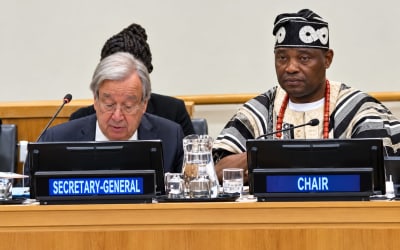
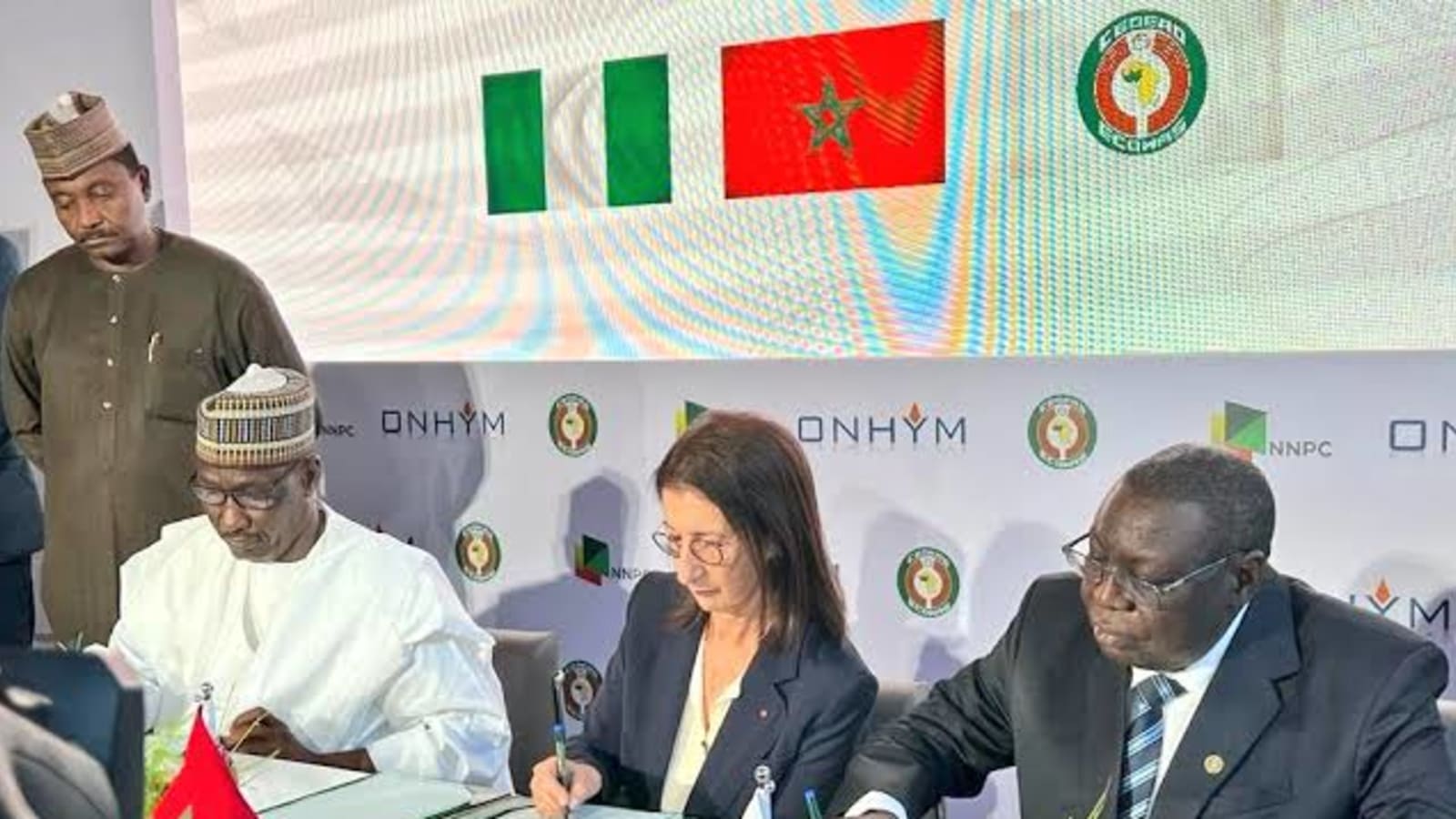
The approval came during the 69th Ordinary Session of the ECOWAS Authority of Heads of State and Government held in Freetown, Sierra Leone, where member states endorsed the project's legal and institutional framework by signing an Inter-Governmental Agreement (IGA). The move provides the political and legal backing needed to advance the next phase of the project.

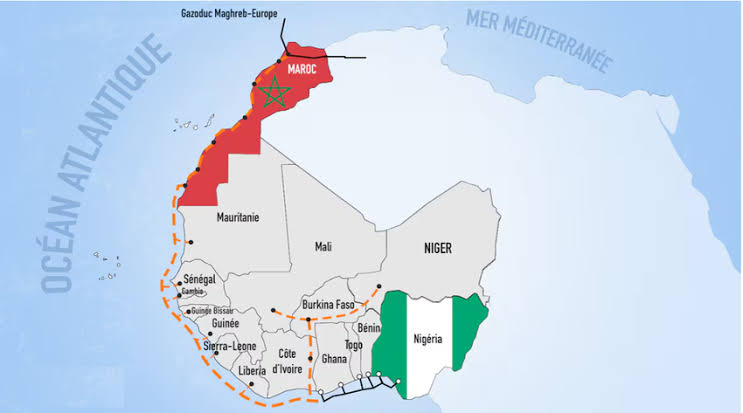
Estimated to cost about $25 billion, the proposed pipeline will stretch approximately 6,000 to 6,900 kilometres, transporting natural gas from Nigeria through 13 West African coastal countries to Morocco before connecting to the Maghreb-Europe gas network and supplying European markets. The pipeline is expected to have an annual transport capacity of 30 billion cubic metres of natural gas, strengthening energy access across West Africa while boosting exports to Europe.

The project, first proposed in 2016 by Morocco's King Mohammed VI and former Nigerian President Muhammadu Buhari, has evolved into a regional integration initiative involving multiple West African countries. It is expected to enhance energy security, drive industrialisation, promote economic cooperation and improve access to cleaner energy across participating nations.

Nigeria's delegation to the summit was led by Vice President Kashim Shettima on behalf of President Bola Tinubu. Nigeria's Minister of State for Petroleum Resources (Gas), Ekperikpe Ekpo, described the agreement as a significant step toward strengthening regional energy cooperation and accelerating the implementation of the cross-border project.

According to project partners, the next phase will involve establishing a project company in Casablanca, Morocco, and a governing authority in Abuja, Nigeria, before securing investors and reaching a final investment decision. Construction is expected to begin in 2028, with the first gas deliveries projected for 2031.

Filed under: economypolitics

Share this article

Keep Reading

More stories you might find interesting

Tanzanian Billionaire Dewji Signals Plan To Invest $100m in Dangote’s $17bn Kenya Refinery
economy

Tanzanian Billionaire Dewji Signals Plan To Invest $100m in Dangote’s $17bn Kenya Refinery

Tanzanian billionaire and MeTL Group President Mohammed Dewji has expressed interest in investing $100 million in Nigerian businessman Aliko Dangote’s proposed $17 billion oil refinery in Kenya, as Dangote expands his refining ambitions across Africa. Dewji disclosed his interest during an interview on Thursday, July 9, 2026, with his comments subsequently reported by Bloomberg on Friday, July 10. He said he was interested in participating in the project even though he would have preferred the refinery to be located in his home country, Tanzania. Dewji was quoted as saying, “I would lean more toward Tanzania than in Kenya.” Despite his preference, he did not rule out investing if Dangote proceeds with the project in Kenya. The billionaire also said he had not yet finalized discussions with Dangote regarding the proposed investment.

HE SOLD HIS CRYPTO TO BUY A NIGERIAN FARM. NOW HE'S TRYING TO FIX WHY 90% OF AFRICA'S FARMERS CAN'T GET A LOAN
economy

HE SOLD HIS CRYPTO TO BUY A NIGERIAN FARM. NOW HE'S TRYING TO FIX WHY 90% OF AFRICA'S FARMERS CAN'T GET A LOAN

In 2020, while most of the world was learning to live indoors, Alexander Zanders did the opposite. He sold off his cryptocurrency holdings bought back when Bitcoin was still under $10 and used the money to buy 100 acres of farmland in Nigeria. He had no farming background. What he had was a question that had been forming since a trip through the American South years earlier, watching Black laborers picking cotton by hand in Moultrie, Georgia, and wondering why parts of Africa were still doing the same work the same way, generations later. He ran the farm himself. And the thing that stopped him wasn't the soil, the weather, or the harvest. It was money specifically, the complete absence of it for the smallholder farmers around him.

Segun Aina Assumes Office as New JAMB Registrar, Succeeds Oloyede
news

Segun Aina Assumes Office as New JAMB Registrar, Succeeds Oloyede

Professor Segun Aina, a professor of Computer Engineering and systems expert, has officially assumed office as the new Registrar of the Joint Admissions and Matriculation Board (JAMB), taking over from Professor Is-haq Oloyede, whose 10-year tenure came to an end on July 31, 2026. The official handover took place on Friday, July 31, 2026, at the JAMB headquarters in Bwari, Abuja, marking the beginning of a new chapter for the examination body. Aina's appointment had earlier been announced by President Bola Ahmed Tinubu on May 21, 2026, ahead of Oloyede's departure.

Comments (0)

Leave a Comment

0/1000
Loading comments...