Nigeria Turns to IMF, World Bank as Economic Pressure Mounts

Nigeria Turns to IMF, World Bank as Economic Pressure Mounts

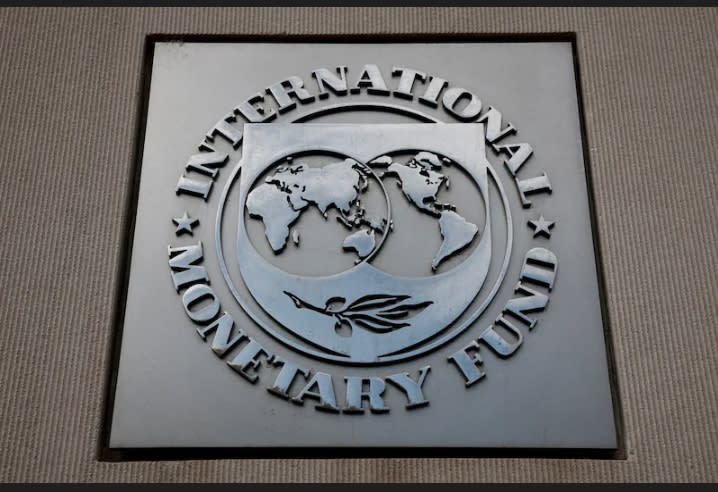
The Nigeria’s government, led by President Bola Ahmed Tinubu, is seeking support from international financial institutions, including the International Monetary Fund (IMF) and the World Bank, as economic pressure continues to build in the nation.

The move comes at a time when many Nigerians are already feeling the weight of rising prices. From food to transportation, everyday costs have increased, leaving households and small businesses struggling to keep up. While the government has introduced reforms aimed at stabilising the economy, the effects have been difficult for many citizens.

Officials say engaging with global financial institutions could help Nigeria manage current challenges, attract investment and stabilise key sectors, especially as global oil market shifts continue to affect revenue. But for many Nigerians, the big question remains: will this actually bring relief anytime soon?

Economic experts suggest that support from institutions like the IMF and World Bank often comes with policy conditions, which can include fiscal discipline and structural adjustments. While these measures are designed to strengthen the economy in the long run, they can also mean tough decisions in the short term.

This is where the political conversation is heating up. Critics argue that seeking external support highlights the severity of the country’s economic situation and raises concerns about how reforms are being managed. Supporters of the government, however, insist that these steps are necessary to prevent deeper economic instability.

As discussions continue, the issue is quickly becoming more than just an economic story, it is turning into a key political talking point. With public frustration growing and attention already shifting toward the 2027 elections, how the government handles this situation could shape both economic recovery and political trust in the months ahead.

For now, many Nigerians are watching closely, hoping that whatever decisions are made will not only stabilise the economy but also ease the burden on everyday life.

© 2026 Aliu Azeema | Ta

lkAfricang.com

Filed under: newspoliticseconomy

Share this article

Keep Reading

More stories you might find interesting

Nigeria Confirms Ebola Case in Abuja as Health Authorities Trace 44 Contacts
health

Nigeria Confirms Ebola Case in Abuja as Health Authorities Trace 44 Contacts

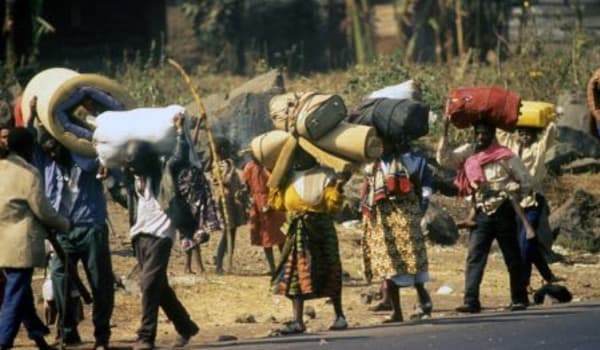
Nigeria has confirmed an imported case of Ebola virus disease in the Federal Capital Territory, Abuja, after laboratory tests returned positive for a woman who recently travelled from Uganda, prompting health authorities to begin tracing people who may have been exposed to the infection. The Coordinating Minister of Health and Social Welfare, Professor Muhammad Ali Pate, confirmed the case on Tuesday, 20 October, stating that the patient had been isolated and was receiving medical care at a private hospital in Abuja. According to the minister, health officials have identified 44 contacts and commenced efforts to determine whether anyone else may have been exposed to the virus.

EcoLagos: The Future Of Waste Disposal & Recycling In Lagos State
health

EcoLagos: The Future Of Waste Disposal & Recycling In Lagos State

Lagos doesn't have a government problem, it has a habit problem, and the two keep getting confused. EcoLagos is building a smart waste management and recycling platform, developed with LAWMA, to digitize the city's entire waste value chain. The goal isn't just cleanup. It's getting Lagosians to see themselves as part of the system, one household and one habit at a time.

The Eyes Of Ghana: How A Viral Streamer And A Former U.S. President Are Saving A Piece Of African History
news

The Eyes Of Ghana: How A Viral Streamer And A Former U.S. President Are Saving A Piece Of African History

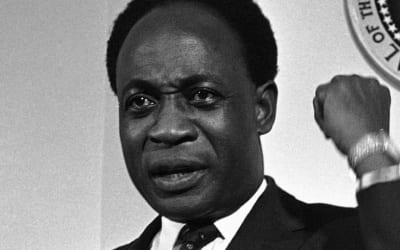
A 93-year-old Ghanaian cameraman spent decades filming the birth of African independence, then watched more than 1,300 reels of that history disappear into hiding in London. Now, with his eyesight failing, he's racing to bring it home. iShowSpeed and Barack and Michelle Obama are backing the effort to make sure he gets there in time. "The Eyes of Ghana" hits theaters for one night only on October 28.

Comments (0)

Leave a Comment

0/1000
Loading comments...

Nigeria Turns to IMF, World Bank as Economic Pressure Mounts

Nigeria Turns to IMF, World Bank as Economic Pressure Mounts

The Nigeria’s government, led by President Bola Ahmed Tinubu, is seeking support from international financial institutions, including the International Monetary Fund (IMF) and the World Bank, as economic pressure continues to build in the nation.

The move comes at a time when many Nigerians are already feeling the weight of rising prices. From food to transportation, everyday costs have increased, leaving households and small businesses struggling to keep up. While the government has introduced reforms aimed at stabilising the economy, the effects have been difficult for many citizens.

Officials say engaging with global financial institutions could help Nigeria manage current challenges, attract investment and stabilise key sectors, especially as global oil market shifts continue to affect revenue. But for many Nigerians, the big question remains: will this actually bring relief anytime soon?

Economic experts suggest that support from institutions like the IMF and World Bank often comes with policy conditions, which can include fiscal discipline and structural adjustments. While these measures are designed to strengthen the economy in the long run, they can also mean tough decisions in the short term.

This is where the political conversation is heating up. Critics argue that seeking external support highlights the severity of the country’s economic situation and raises concerns about how reforms are being managed. Supporters of the government, however, insist that these steps are necessary to prevent deeper economic instability.

As discussions continue, the issue is quickly becoming more than just an economic story, it is turning into a key political talking point. With public frustration growing and attention already shifting toward the 2027 elections, how the government handles this situation could shape both economic recovery and political trust in the months ahead.

For now, many Nigerians are watching closely, hoping that whatever decisions are made will not only stabilise the economy but also ease the burden on everyday life.

© 2026 Aliu Azeema | Ta

lkAfricang.com

Filed under: newspoliticseconomy

Share this article

Comments (0)

Leave a Comment

0/1000
Loading comments...