Nyama Choma:Fire, Flavor and Fellowship In East Africa

Nyama Choma:Fire, Flavor and Fellowship In East Africa

Nyama Choma: Fire, Flavor, and Fellowship in East Africa

Long before modern restaurants and city nightlife, the tradition of roasting meat over open flames has been a defining part of communal life across East Africa. Nyama Choma, which literally translates to “roasted meat” in Swahili, is more than just a dish it is an experience rooted in culture, simplicity, and togetherness. Widely associated with Kenya and equally beloved in Tanzania, it has grown from a rural cooking method into a culinary symbol of identity and celebration.

The origins of Nyama Choma can be traced to pastoral communities where livestock such as goats and cattle were central to daily life. Meat was not consumed casually; it was reserved for special moments rites of passage, communal gatherings, and celebrations. When it was prepared, it was done with care and patience, often over wood fires that imparted a distinctive smoky flavor. Over time, this age-old method evolved into what is now recognized as Nyama Choma, yet it has retained its rustic authenticity.

At its heart, Nyama Choma is defined by its simplicity. Unlike many richly spiced African dishes, the meat typically goat, though beef and chicken are also used is often seasoned lightly with salt. The philosophy is to let the natural flavor of the meat shine through. The grilling process is slow and deliberate, allowing the exterior to develop a crisp, slightly charred texture while the inside remains tender and juicy. The aroma alone, carried by smoke and heat, is enough to gather people around.

But Nyama Choma is never served in isolation. It is traditionally accompanied by fresh sides that balance its richness. A common pairing is kachumbari, a refreshing salad made from tomatoes, onions, and chili, which adds brightness and contrast. Ugali, a firm maize meal staple, is often served alongside, acting as both a side and a utensil, used to scoop up pieces of meat and salad. Together, these elements create a meal that is both satisfying and harmonious.

In urban centers like Nairobi, Nyama Choma has found a vibrant home in roadside grills and open-air eateries known as “nyama choma joints.” These spaces are lively and informal, filled with laughter, conversation, and the unmistakable scent of roasting meat. People gather not just to eat, but to connect to celebrate friendships, discuss life, and unwind. It is as much about the social atmosphere as it is about the food itself.

The cultural significance of Nyama Choma extends beyond its ingredients and preparation. It represents hospitality, generosity, and the joy of sharing. Meat is often served on large platters, encouraging communal eating where everyone partakes together. There is no rush; the experience is meant to be savored slowly, with stories told and bonds strengthened over each bite.

Today, Nyama Choma continues to evolve while staying true to its roots. Modern variations may introduce marinades or different cuts of meat, and it is increasingly featured in upscale restaurants as well as traditional settings. Yet, whether enjoyed at a roadside grill or a family gathering, its essence remains unchanged a celebration of fire, flavor, and fellowship.

In every sense, Nyama Choma is a reflection of East African life: warm, unpretentious, and deeply communal. It is not just food on a plate, but a tradition carried through generations, bringing people together around the simple, timeless act of sharing a meal.

Share this article

Keep Reading

More stories you might find interesting

The Rwanda Genocide: How More Than 800,000 People Were Killed in 100 Days
african-history

The Rwanda Genocide: How More Than 800,000 People Were Killed in 100 Days

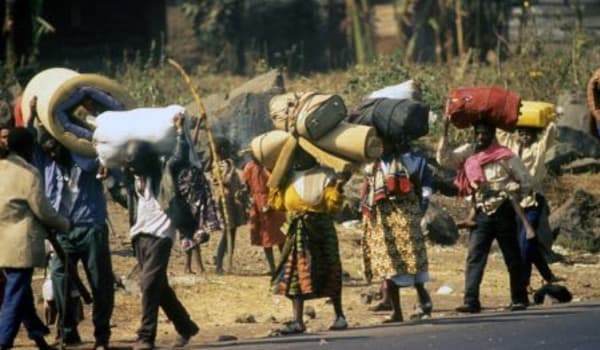
The 1994 Rwanda Genocide claimed more than 800,000 lives in about 100 days, but how did neighbours turn against one another, and why did the world fail to stop the killings? Discover how the genocide began, what happened to its victims, and the lessons this dark chapter of African history tells the world today.

Injera and Doro Wat: The Dish Ethiopia Saves for Celebration
culture

Injera and Doro Wat: The Dish Ethiopia Saves for Celebration

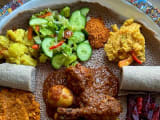
In Ethiopia, a meal is rarely just about eating. It is about sitting together, sharing one platter and making sure no one at the table is left out. Few dishes capture this spirit better than injera with doro wat, a pairing of sour, spongy bread and fiery chicken stew that has anchored Ethiopian celebrations for generations.

Nigeria Confirms Ebola Case in Abuja as Health Authorities Trace 44 Contacts
health

Nigeria Confirms Ebola Case in Abuja as Health Authorities Trace 44 Contacts

Nigeria has confirmed an imported case of Ebola virus disease in the Federal Capital Territory, Abuja, after laboratory tests returned positive for a woman who recently travelled from Uganda, prompting health authorities to begin tracing people who may have been exposed to the infection. The Coordinating Minister of Health and Social Welfare, Professor Muhammad Ali Pate, confirmed the case on Tuesday, 20 October, stating that the patient had been isolated and was receiving medical care at a private hospital in Abuja. According to the minister, health officials have identified 44 contacts and commenced efforts to determine whether anyone else may have been exposed to the virus.

Comments (0)

Leave a Comment

0/1000
Loading comments...

Nyama Choma:Fire, Flavor and Fellowship In East Africa

Nyama Choma:Fire, Flavor and Fellowship In East Africa

Nyama Choma: Fire, Flavor, and Fellowship in East Africa

Long before modern restaurants and city nightlife, the tradition of roasting meat over open flames has been a defining part of communal life across East Africa. Nyama Choma, which literally translates to “roasted meat” in Swahili, is more than just a dish it is an experience rooted in culture, simplicity, and togetherness. Widely associated with Kenya and equally beloved in Tanzania, it has grown from a rural cooking method into a culinary symbol of identity and celebration.

The origins of Nyama Choma can be traced to pastoral communities where livestock such as goats and cattle were central to daily life. Meat was not consumed casually; it was reserved for special moments rites of passage, communal gatherings, and celebrations. When it was prepared, it was done with care and patience, often over wood fires that imparted a distinctive smoky flavor. Over time, this age-old method evolved into what is now recognized as Nyama Choma, yet it has retained its rustic authenticity.

At its heart, Nyama Choma is defined by its simplicity. Unlike many richly spiced African dishes, the meat typically goat, though beef and chicken are also used is often seasoned lightly with salt. The philosophy is to let the natural flavor of the meat shine through. The grilling process is slow and deliberate, allowing the exterior to develop a crisp, slightly charred texture while the inside remains tender and juicy. The aroma alone, carried by smoke and heat, is enough to gather people around.

But Nyama Choma is never served in isolation. It is traditionally accompanied by fresh sides that balance its richness. A common pairing is kachumbari, a refreshing salad made from tomatoes, onions, and chili, which adds brightness and contrast. Ugali, a firm maize meal staple, is often served alongside, acting as both a side and a utensil, used to scoop up pieces of meat and salad. Together, these elements create a meal that is both satisfying and harmonious.

In urban centers like Nairobi, Nyama Choma has found a vibrant home in roadside grills and open-air eateries known as “nyama choma joints.” These spaces are lively and informal, filled with laughter, conversation, and the unmistakable scent of roasting meat. People gather not just to eat, but to connect to celebrate friendships, discuss life, and unwind. It is as much about the social atmosphere as it is about the food itself.

The cultural significance of Nyama Choma extends beyond its ingredients and preparation. It represents hospitality, generosity, and the joy of sharing. Meat is often served on large platters, encouraging communal eating where everyone partakes together. There is no rush; the experience is meant to be savored slowly, with stories told and bonds strengthened over each bite.

Today, Nyama Choma continues to evolve while staying true to its roots. Modern variations may introduce marinades or different cuts of meat, and it is increasingly featured in upscale restaurants as well as traditional settings. Yet, whether enjoyed at a roadside grill or a family gathering, its essence remains unchanged a celebration of fire, flavor, and fellowship.

In every sense, Nyama Choma is a reflection of East African life: warm, unpretentious, and deeply communal. It is not just food on a plate, but a tradition carried through generations, bringing people together around the simple, timeless act of sharing a meal.

Share this article

Comments (0)

Leave a Comment

0/1000
Loading comments...