The Underlying Risk of Beautiful Henna

The Underlying Risk of Beautiful Henna

Imagine wanting a beautiful, eye-catching henna tattoo for a wedding, festival, cultural celebration, or simply because you love the artistry. After hearing glowing recommendations, you visit a popular henna artist known for creating stunning designs. The intricate patterns are applied, and you leave feeling delighted with the results.
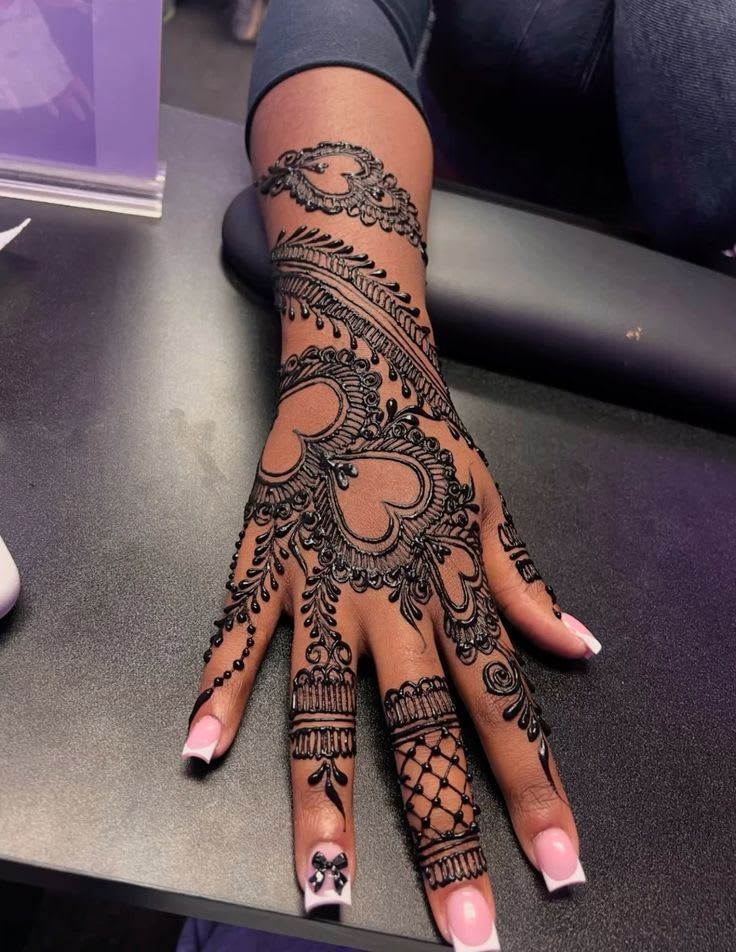
Over the next day or two, you eagerly wait for the dried paste to peel away and reveal the final design. Proud of your new tattoo, you take photos and share them with friends and on social media. Then something unexpected happens. The area begins to itch slightly. At first, it seems harmless, but the itching becomes more intense. Soon, the skin starts to swell, become painful, and show signs of irritation. Panic sets in as you realize that something is wrong. What you may be experiencing is a henna-related skin reaction.

What Is Henna?

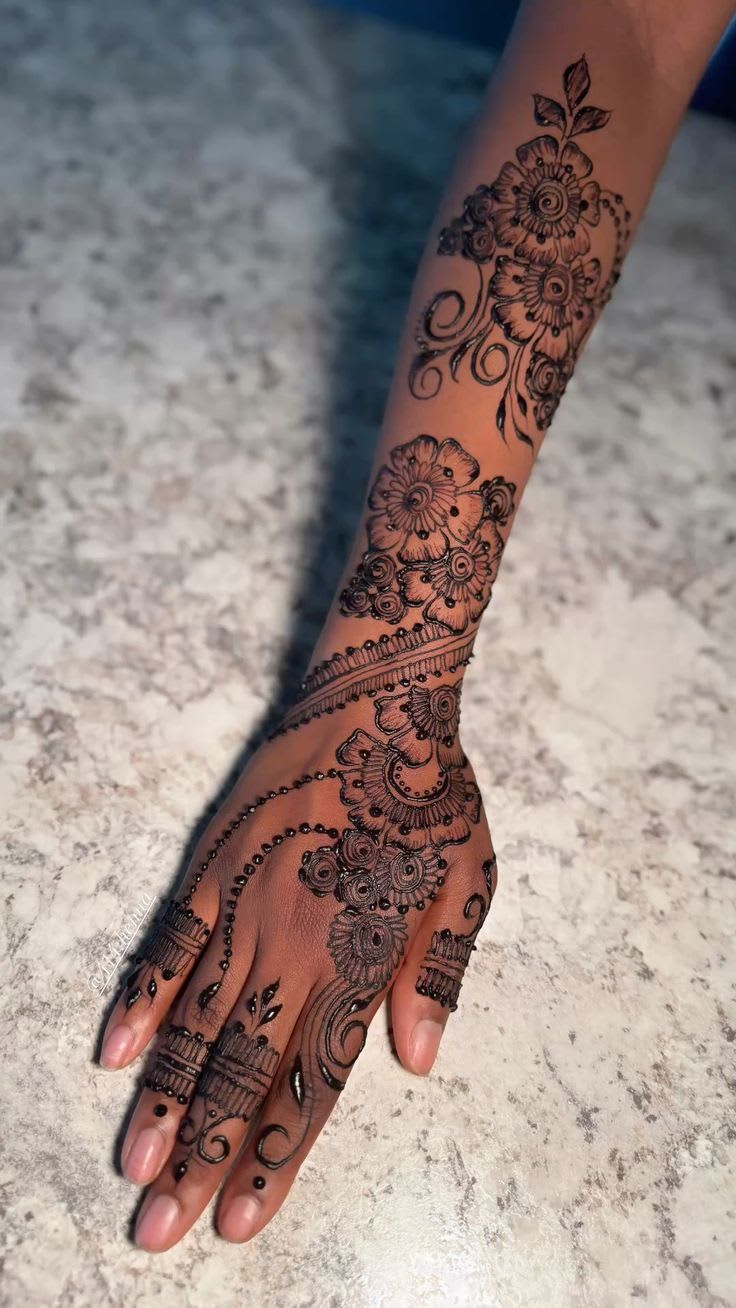
Henna is a temporary dye derived from the plant Lawsonia inermis, commonly known as Lalle or Laali in many regions. For centuries, it has been used for body art, cultural ceremonies, and celebrations across various cultures. Traditional henna produces a reddish-brown stain and is generally considered safe for application on the skin. If pure henna is safe, why do some people experience severe reactions after getting a henna tattoo?
The Villain: Paraphenylenediamine (PPD)

In many cases, the reaction is not caused by natural henna itself but by a chemical called paraphenylenediamine (PPD). This compound is often added to henna mixtures to create a darker, blacker stain and to speed up the dyeing process.

Pure henna naturally produces a reddish-brown colour, not black. Therefore, products marketed as "black henna" frequently contain PPD. This chemical is also commonly found in some hair dyes and is a well-known cause of allergic skin reactions.

Signs of a Henna Reaction

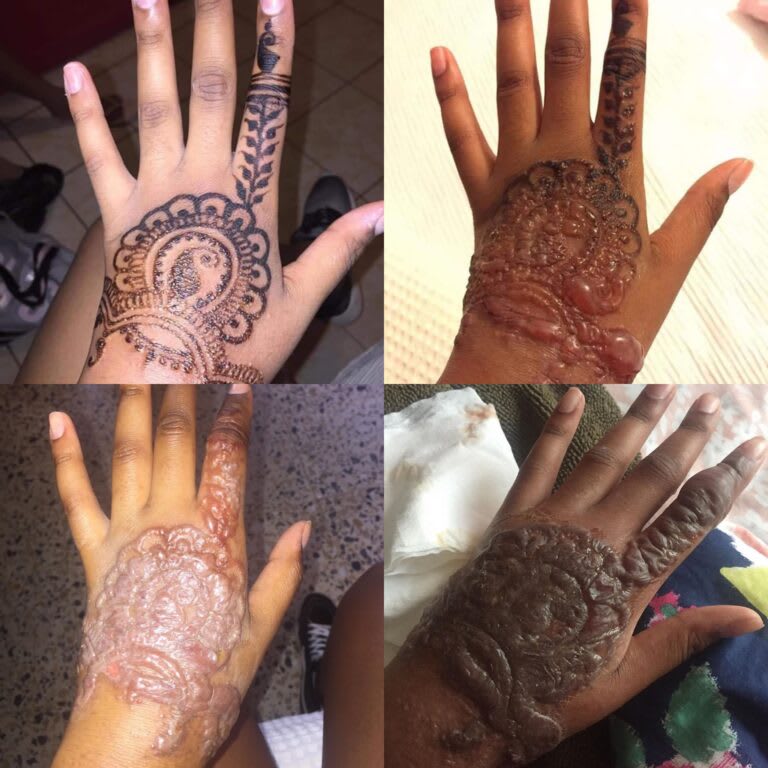
A reaction to PPD-containing henna may occur hours or even days after application. Common symptoms include:

- Blistering

- Swelling

- Redness

- Itching

- Pain or burning sensations

These symptoms typically appear on the areas where the henna was applied and may vary in severity from person to person.
How to Protect Yourself

To reduce the risk of a reaction, consider the following precautions:

- Choose artists who use pure, plant-based henna.

- Ask about the ingredients used in the henna mixture.

- Avoid products advertised as "black henna."

- Request a patch test before full application, especially if you have sensitive skin or a history of allergies.

When to Seek Medical Help

If you or someone you know develops swelling, blistering, severe itching, or other signs of a skin reaction after a henna application, seek medical attention from a qualified healthcare professional. Self-medication may worsen the condition or delay proper treatment.

Henna can be a beautiful form of self-expression and cultural celebration, but it is important to ensure that the products used are safe. A little caution before application can help prevent an unpleasant and potentially serious reaction afterward.

©2026 Aisha Egena-Aruwa | talkafricang.com

Filed under: healthlifestyle

Share this article

Keep Reading

More stories you might find interesting

Injera and Doro Wat: The Dish Ethiopia Saves for Celebration
culture

Injera and Doro Wat: The Dish Ethiopia Saves for Celebration

In Ethiopia, a meal is rarely just about eating. It is about sitting together, sharing one platter and making sure no one at the table is left out. Few dishes capture this spirit better than injera with doro wat, a pairing of sour, spongy bread and fiery chicken stew that has anchored Ethiopian celebrations for generations.

Nigeria Confirms Ebola Case in Abuja as Health Authorities Trace 44 Contacts
health

Nigeria Confirms Ebola Case in Abuja as Health Authorities Trace 44 Contacts

Nigeria has confirmed an imported case of Ebola virus disease in the Federal Capital Territory, Abuja, after laboratory tests returned positive for a woman who recently travelled from Uganda, prompting health authorities to begin tracing people who may have been exposed to the infection. The Coordinating Minister of Health and Social Welfare, Professor Muhammad Ali Pate, confirmed the case on Tuesday, 20 October, stating that the patient had been isolated and was receiving medical care at a private hospital in Abuja. According to the minister, health officials have identified 44 contacts and commenced efforts to determine whether anyone else may have been exposed to the virus.

EcoLagos: The Future Of Waste Disposal & Recycling In Lagos State
health

EcoLagos: The Future Of Waste Disposal & Recycling In Lagos State

Lagos doesn't have a government problem, it has a habit problem, and the two keep getting confused. EcoLagos is building a smart waste management and recycling platform, developed with LAWMA, to digitize the city's entire waste value chain. The goal isn't just cleanup. It's getting Lagosians to see themselves as part of the system, one household and one habit at a time.

Comments (0)

Leave a Comment

0/1000
Loading comments...

The Underlying Risk of Beautiful Henna

The Underlying Risk of Beautiful Henna

Imagine wanting a beautiful, eye-catching henna tattoo for a wedding, festival, cultural celebration, or simply because you love the artistry. After hearing glowing recommendations, you visit a popular henna artist known for creating stunning designs. The intricate patterns are applied, and you leave feeling delighted with the results.

Over the next day or two, you eagerly wait for the dried paste to peel away and reveal the final design. Proud of your new tattoo, you take photos and share them with friends and on social media. Then something unexpected happens. The area begins to itch slightly. At first, it seems harmless, but the itching becomes more intense. Soon, the skin starts to swell, become painful, and show signs of irritation. Panic sets in as you realize that something is wrong. What you may be experiencing is a henna-related skin reaction.

What Is Henna?

Henna is a temporary dye derived from the plant Lawsonia inermis, commonly known as Lalle or Laali in many regions. For centuries, it has been used for body art, cultural ceremonies, and celebrations across various cultures. Traditional henna produces a reddish-brown stain and is generally considered safe for application on the skin. If pure henna is safe, why do some people experience severe reactions after getting a henna tattoo?

The Villain: Paraphenylenediamine (PPD)

In many cases, the reaction is not caused by natural henna itself but by a chemical called paraphenylenediamine (PPD). This compound is often added to henna mixtures to create a darker, blacker stain and to speed up the dyeing process.

Pure henna naturally produces a reddish-brown colour, not black. Therefore, products marketed as "black henna" frequently contain PPD. This chemical is also commonly found in some hair dyes and is a well-known cause of allergic skin reactions.

Signs of a Henna Reaction

A reaction to PPD-containing henna may occur hours or even days after application. Common symptoms include:

- Blistering

- Swelling

- Redness

- Itching

- Pain or burning sensations

These symptoms typically appear on the areas where the henna was applied and may vary in severity from person to person.

How to Protect Yourself

To reduce the risk of a reaction, consider the following precautions:

- Choose artists who use pure, plant-based henna.

- Ask about the ingredients used in the henna mixture.

- Avoid products advertised as "black henna."

- Request a patch test before full application, especially if you have sensitive skin or a history of allergies.

When to Seek Medical Help

If you or someone you know develops swelling, blistering, severe itching, or other signs of a skin reaction after a henna application, seek medical attention from a qualified healthcare professional. Self-medication may worsen the condition or delay proper treatment.

Henna can be a beautiful form of self-expression and cultural celebration, but it is important to ensure that the products used are safe. A little caution before application can help prevent an unpleasant and potentially serious reaction afterward.

©2026 Aisha Egena-Aruwa | talkafricang.com

Filed under: healthlifestyle

Share this article

Comments (0)

Leave a Comment

0/1000
Loading comments...