Fulani Braids: Where Identity meets Artistry

Fulani Braids: Where Identity meets Artistry

Across the Sahel region of West Africa, the Fulani people are known for their rich culture and one of their most striking features is their iconic braiding style.
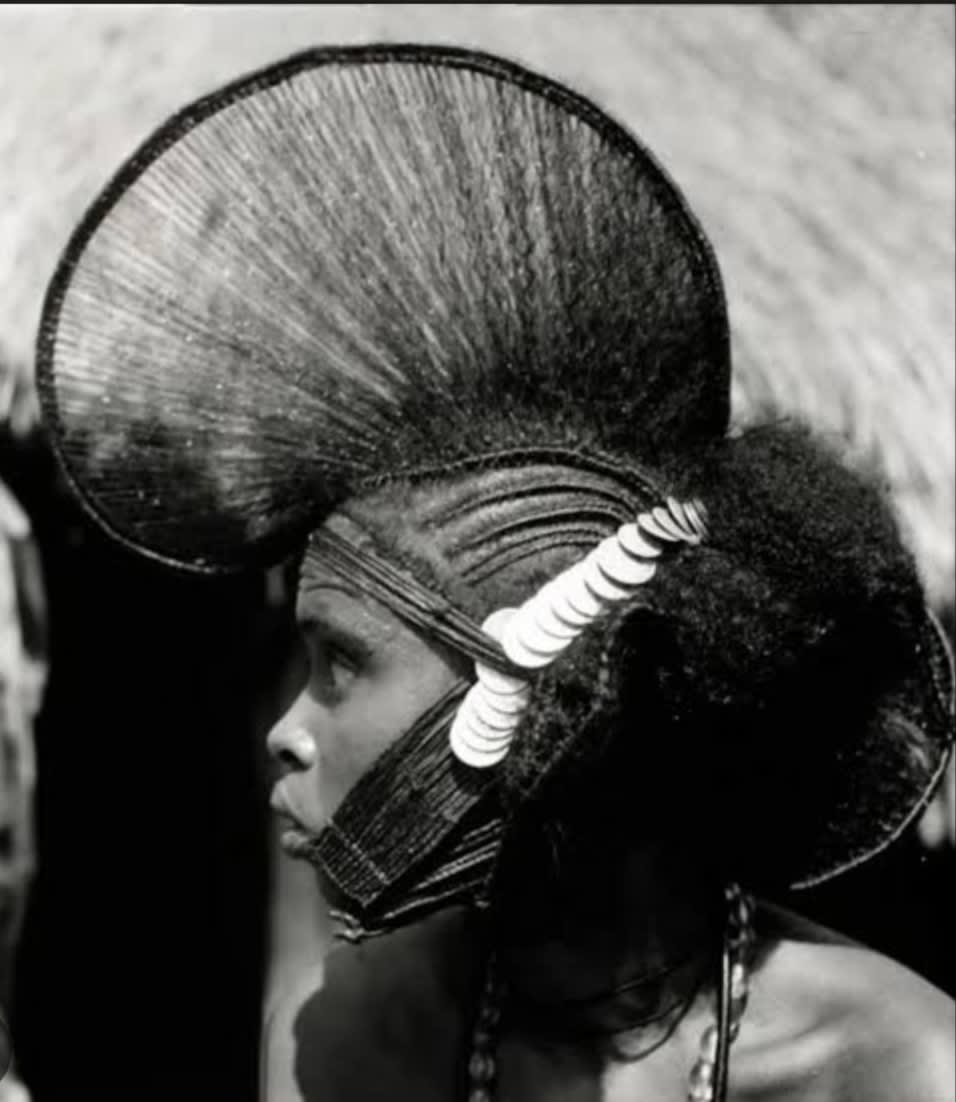
Fulani braids are easily recognized by a central braid running along the scalp, accompanied by side braids often decorated with beads, cowries, and sometimes rings. These adornments are not random; they carry meaning related to age, marital status, and wealth.

Historically, Fulani women used their hairstyles as a form of expression. The patterns, length, and decorations communicated identity within the community. Cowries, for instance, were symbols of wealth and prosperity.
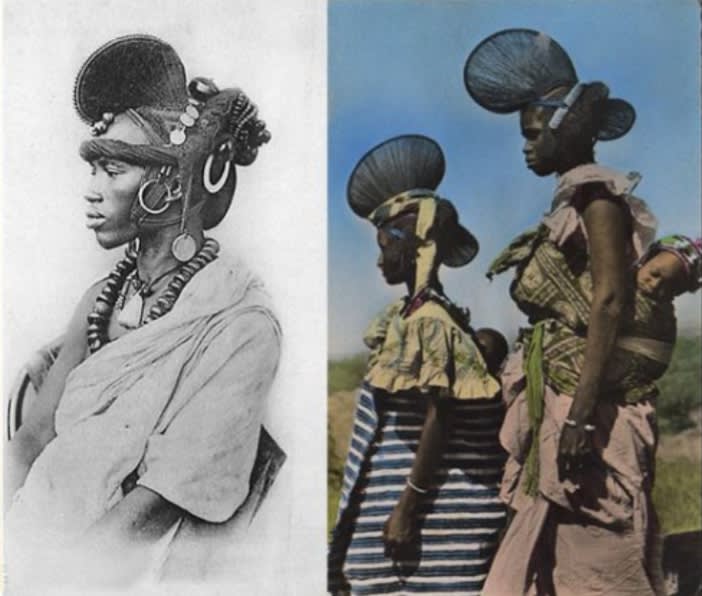
Creating Fulani braids is a detailed process that requires precision. The hair is parted into neat sections, braided close to the scalp, and then extended with beads or accessories. The final look is both elegant and deeply cultural.

In modern times, Fulani braids have gained global recognition. Celebrities and influencers have embraced the style, bringing it into mainstream fashion. However, its roots remain firmly grounded in tradition.

Fulani braids are more than a trend, they are a visual language of heritage, beauty, and identity.

© 2026 Adeola M. Kuyebi| TalkAfricang.com
Filed under: lifestyle

Share this article

Keep Reading

More stories you might find interesting

Seasonal Malaria Chemoprevention: Protecting Children During Malaria Season
news

Seasonal Malaria Chemoprevention: Protecting Children During Malaria Season

Seasonal Malaria Chemoprevention (SMC) is a preventive strategy used to protect children from malaria during periods of high transmission, especially in regions where malaria is seasonal. It involves giving eligible children antimalarial medicines at monthly intervals throughout the malaria season to reduce the risk of infection. SMC is particularly important for children under five years of age, who are most vulnerable to severe malaria. The intervention has been proven to reduce malaria cases, hospital admissions, and deaths among children. Its success depends on the active participation of parents, caregivers, healthcare workers, and communities. By providing protection during peak malaria periods, SMC plays a vital role in improving child health and reducing the burden of malaria in affected regions.

Where Culture Wears Style: The Fashion Language of Ojude Oba
culture

Where Culture Wears Style: The Fashion Language of Ojude Oba

The Ojude Oba festival in Ijebu Ode serves as a vibrant, living runway where traditional Yoruba heritage is translated into modern, high-stakes fashion. Through unapologetic color stories, sharp tailoring, and perfectly coordinated group aesthetics, the event elevates clothing into a powerful language of cultural pride and unity. It ultimately proves that African tradition is not a relic of the past, but a bold, evolving force leading contemporary style.

The Red Beauty of Namibia: The Unique Tradition of the Himba Women
culture

The Red Beauty of Namibia: The Unique Tradition of the Himba Women

Have you ever heard of the Himba people of Namibia? Known as the "Red People of Africa," the Himba are famous for covering their skin and hair with a reddish paste made from butterfat and ochre, giving them their unique appearance. Beyond their striking look, they have preserved their traditions, culture, and way of life for generations despite the modern world around them. Discover more history on Talk Africa ng

Comments (0)

Leave a Comment

0/1000
Loading comments...