
Have you ever woken up with a painful lump under your armpit, so sore that even lowering your arm felt unbearable? You might have dismissed it as an ordinary boil and expected it to disappear within a few days. But what if it keeps coming back, in the same place or nearby, becoming more painful each time? It may be more than just a stubborn boil.
Hidradenitis suppurativa (HS) is a chronic inflammatory skin condition characterized by recurring painful lumps that develop beneath the skin. These lumps often resemble boils and typically appear in areas where skin rubs together, such as the armpits, groin, inner thighs, under the breasts and between the buttocks.
The condition often begins around puberty and is most common in teenagers and adults under the age of 40. It affects women more frequently than men and is also more commonly seen in people of African ancestry. Although HS is not contagious, it can significantly affect a person's quality of life because of the pain, recurrent flare-ups and scarring it may cause.
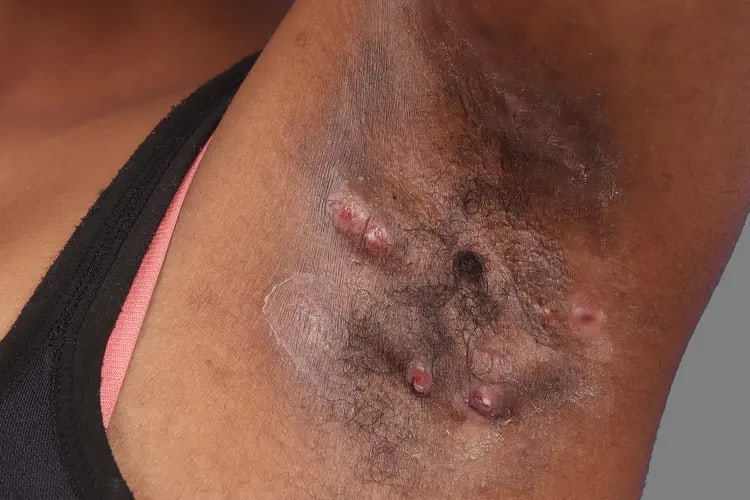
Signs and Symptoms
The symptoms of hidradenitis suppurativa can vary from person to person, but common features include:
- Painful, boil-like lumps beneath the skin.
- Blackheads, appearing in pairs or clusters.
- Abscesses that may rupture and drain pus with an unpleasant odour.
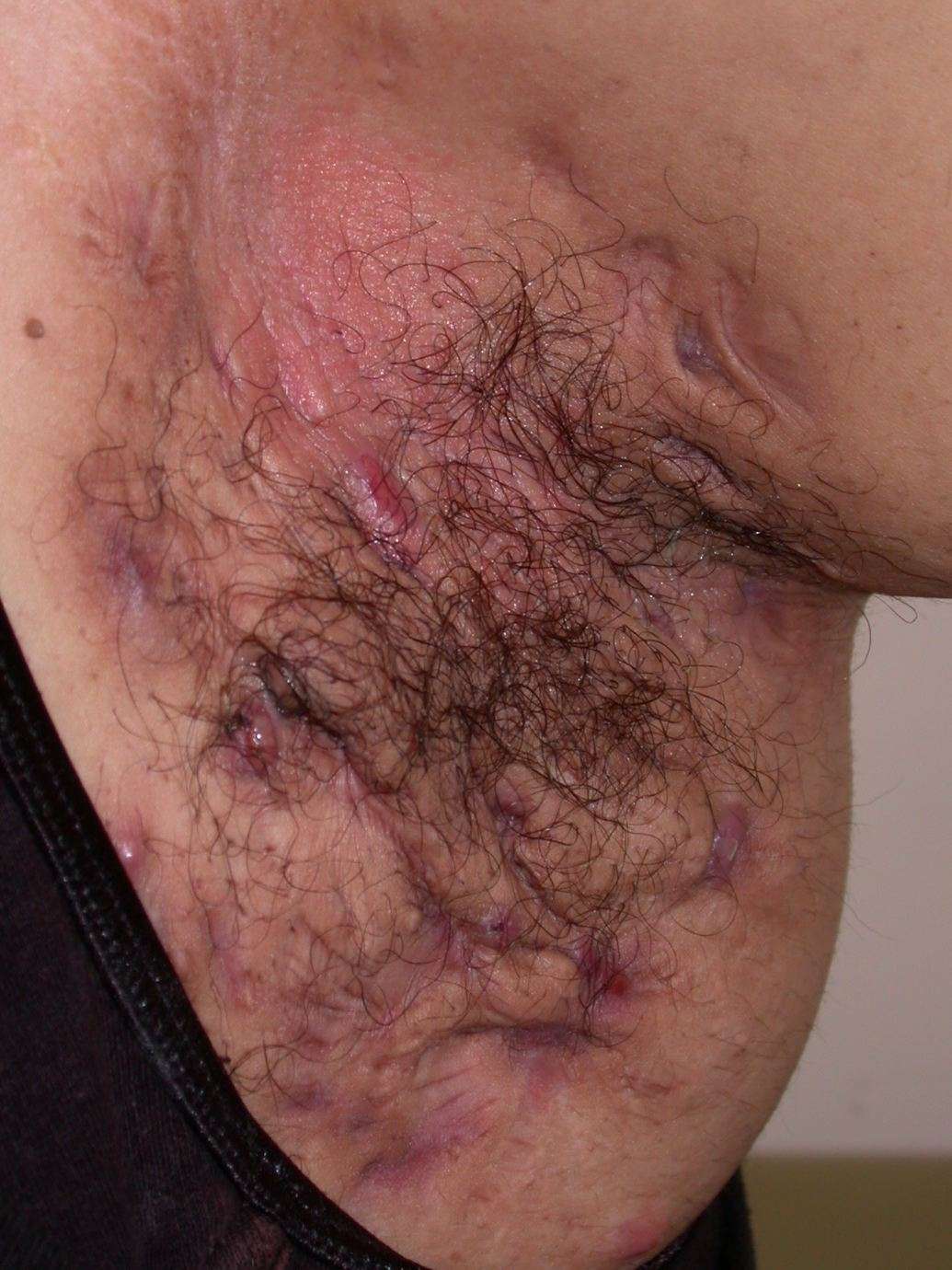
- Sinus tracts or tunnels that form beneath the skin, connecting different lumps.
- Scarring after repeated episodes.
The lumps may heal temporarily, only to return weeks or months later, often in the same area or close to previous lesions.
What Causes It?
The exact cause of hidradenitis suppurativa remains unknown. However, researchers believe it begins when hair follicles become blocked, triggering inflammation. Several factors can increase a person's risk of developing the condition, including:
- Genetics, as HS often runs in families, suggesting an inherited component.
- Obesity, as excess body weight can increase skin friction and inflammation.
- Smoking : Tobacco use has been strongly linked to the development and worsening of HS.
- African ancestry, as the condition appears to occur more frequently among people of African descent.
Importantly, hidradenitis suppurativa is not caused by poor hygiene and it is not an infection that can be spread from one person to another. Many people living with HS face unnecessary stigma because of this misconception.
Prevention and Cure
Although there is currently no permanent cure, early diagnosis and appropriate treatment can help control symptoms, reduce flare-ups and prevent complications such as extensive scarring. Treatment may include medications, lifestyle changes and, in severe cases, surgery.
If you have hidradenitis suppurativa, consider using gentle, fragrance-free skin products and unscented deodorants that are less likely to irritate the skin. Maintaining a healthy weight, avoiding smoking, wearing loose-fitting clothing and reducing friction in affected areas may also help manage symptoms.
If you experience recurring painful lumps, persistent drainage, or sores that repeatedly appear in the same areas of your body, don't ignore them. Seeking medical attention early can make a significant difference in managing the condition and improving your quality of life.
© 2026 Aisha Egena-Aruwa | talkafricang.com



Comments (0)
Leave a Comment