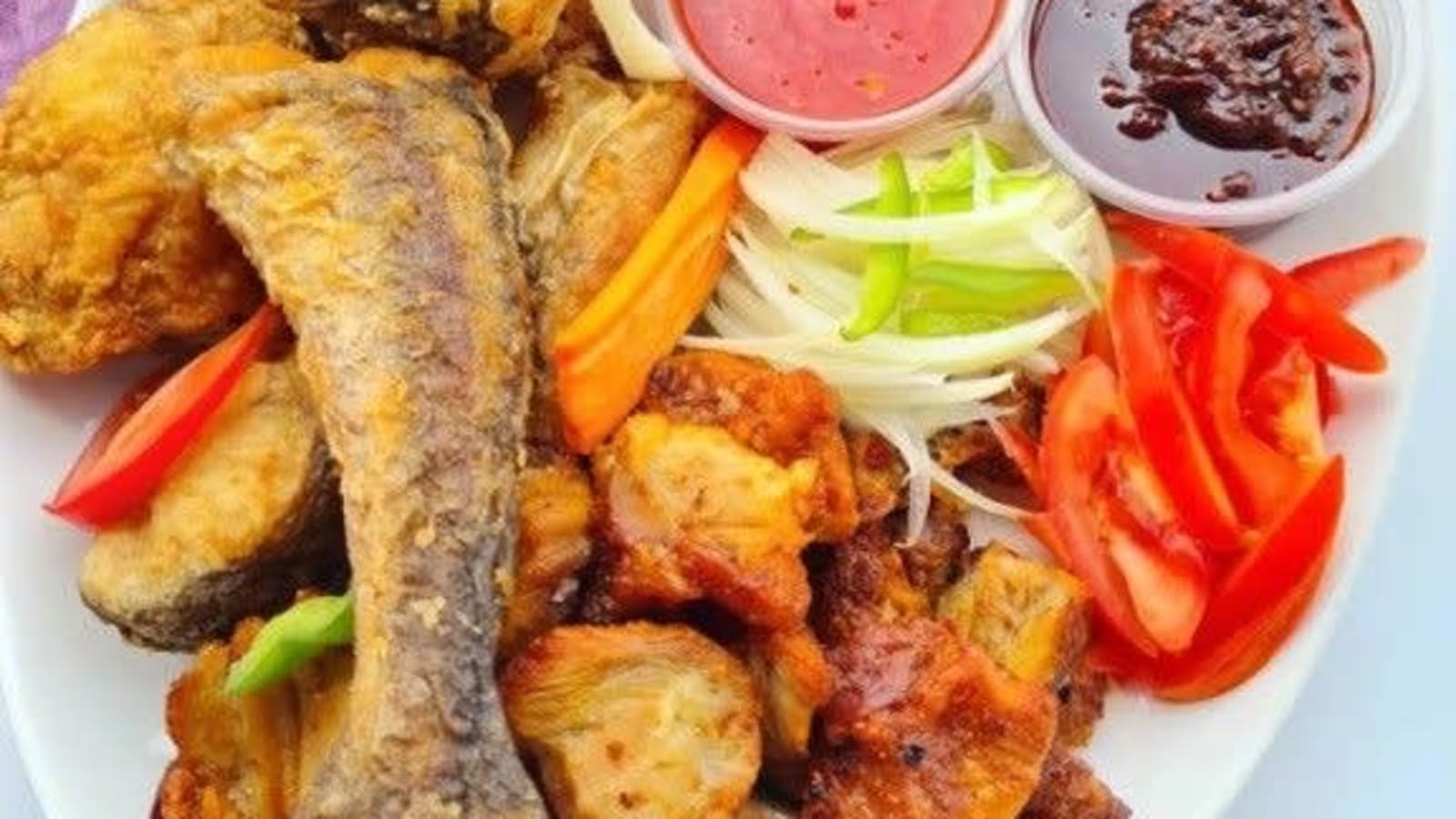
Pâté is one of the most cherished traditional foods in Togo and several parts of West Africa. Simple in preparation yet deeply satisfying, it is a dish that reflects the essence of African culinary heritage resourceful, nourishing, and rooted in community. Often compared to other African staples like fufu or eba, pâté holds its own as a daily meal that brings comfort and sustenance to many households.
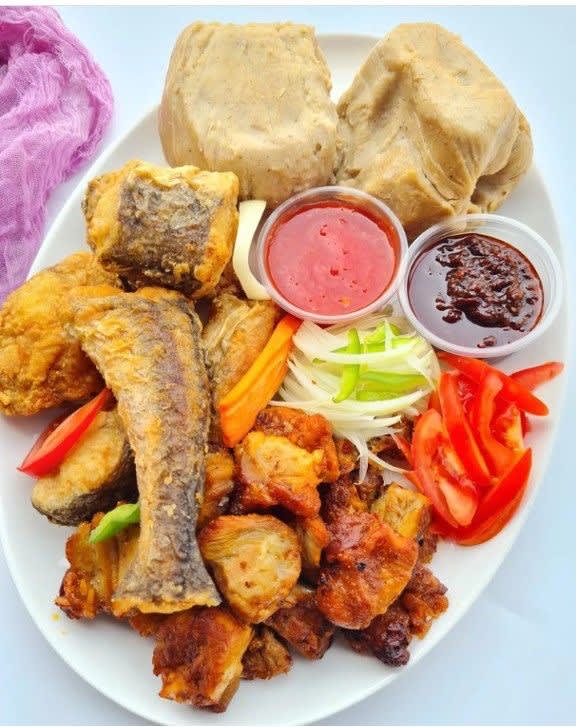 Pâté is a thick, smooth paste made primarily from maize (corn) flour. The preparation involves gradually stirring maize flour into boiling water until it forms a firm, lump-free consistency. The process requires patience and skill, as constant stirring is needed to achieve the perfect texture neither too soft nor too hard. The result is a stretchy, slightly dense dough that can easily be molded into small portions for eating.
The origins of pâté can be traced back to the widespread cultivation of maize across West Africa. As maize became a staple crop due to its affordability and adaptability, communities began developing various ways to prepare it. In Togo, pâté emerged as a practical and filling meal that could be paired with locally available soups and sauces.
Culturally, pâté is more than just food it is a symbol of togetherness. Meals are often shared communally, with family members gathering around a bowl of pâté and soup, eating with their hands. This shared experience fosters unity, conversation, and a sense of belonging.
Pâté is rarely eaten alone. It is typically accompanied by a variety of flavorful soups and sauces that enhance its taste. Popular pairings include:
Vegetable sauces made with leafy greens like spinach or amaranth
Groundnut (peanut) soup, rich and slightly sweet
Tomato-based stews with meat, fish, or spices
Okra soup, known for its slimy texture that complements the firmness of pâté
To eat, a small portion of pâté is pinched off, rolled into a ball, and dipped into the soup before being 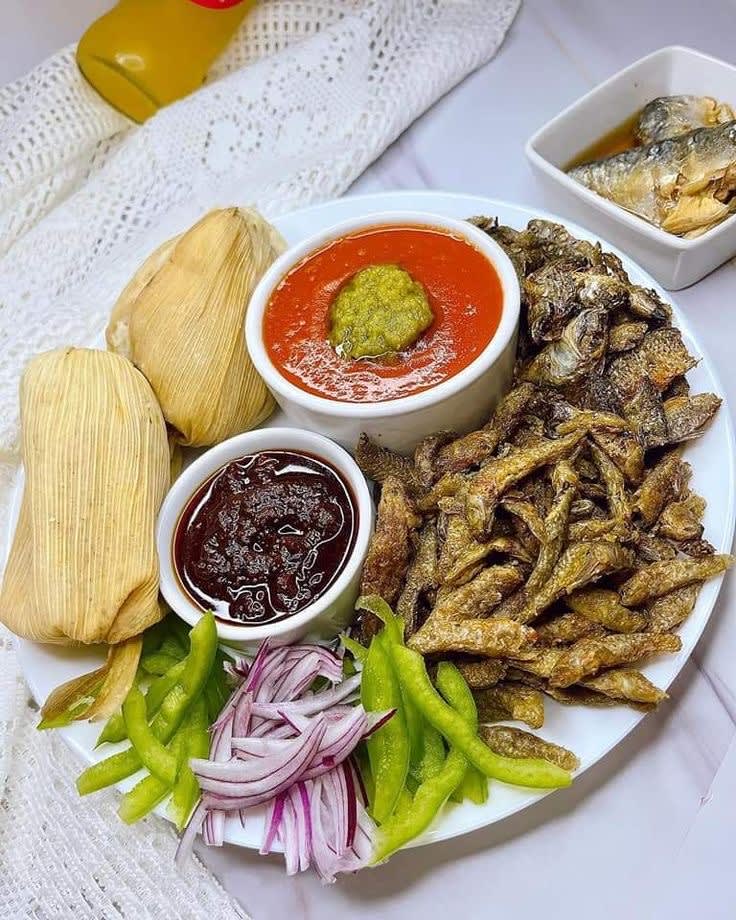 swallowed.
Pâté is a good source of carbohydrates, providing the energy needed for daily activities. When paired with nutrient-rich soups containing vegetables, proteins, and healthy fats, it becomes a balanced meal. While maize itself is not very high in protein, the addition of meat, fish, or legumes in the accompanying sauces helps improve its nutritional profile.
Across West Africa, there are similar dishes that resemble pâté. In Nigeria, foods like tuwo or eba serve similar purposes, while in Ghana, banku and kenkey are common maize-based staples. Each variation has its unique preparation method and texture, but all share the same role as a hearty base for soups.
Despite the rise of fast food and modern diets, pâté remains a staple in many homes. Its affordability and ease of preparation make it especially important in both rural and urban communities. Today, it is also gaining attention as part of the broader appreciation of African cuisines, celebrated for its authenticity and cultural significance.
Pâté is more than just a meal it is a reflection of Togolese identity, resilience, and tradition. From its humble ingredients to its role in bringing people together, it embodies the spirit of African cooking. Whether enjoyed at home or introduced to new audiences, pâté continues to stand as a timeless and comforting dish that nourishes both body and soul.
©2026|Osho Deborah|Talkafricang.com


Comments (0)
Leave a Comment