African Fashion & Culture Series: Ghana (Kente)

African Fashion & Culture Series: Ghana (Kente)

The Akan people of Ghana are known for a rich cultural heritage expressed through one of Africa’s most iconic fabrics (Kente).

Kente is a brightly colored, handwoven fabric traditionally worn by both men and women, often draped over the body.

Each pattern and color carries meaning, representing values such as royalty, wisdom, unity, and wealth.

Originally worn by kings and nobility.

Kente is now commonly seen during festivals, weddings, graduations, and important cultural ceremonies, where it symbolizes pride and identity.

Kente is more than fabric; it is a visual language of history, culture, and African excellence.

©️Joy Popoola C.|2026|TalkAfrica.ng
Share this article

Keep Reading

More stories you might find interesting

When Medicine Turns Dangerous: Understanding Stevens-Johnson Syndrome
health

When Medicine Turns Dangerous: Understanding Stevens-Johnson Syndrome

A rare but life-threatening reaction, Stevens-Johnson syndrome (SJS) can begin with simple flu-like symptoms before escalating into severe skin damage. Often triggered by common medications, it is frequently overlooked. Early recognition and urgent medical care are critical, as swift action can prevent serious complications and significantly improve chances of recovery.

Understanding Uterine Fibroids: Symptoms, Causes, Diagnosis, Treatment and Prevention
health

Understanding Uterine Fibroids: Symptoms, Causes, Diagnosis, Treatment and Prevention

Fibroids are non-cancerous growths in the uterus, but when left unchecked, they can grow to a size that significantly affects a woman’s health, comfort, fertility, and quality of life. Many women live with symptoms such as heavy menstrual bleeding, abdominal swelling, pelvic pain, frequent urination, or fatigue without realizing the underlying cause.

Pate: The Soulful Staple of Togolese Cuisine
culture

Pate: The Soulful Staple of Togolese Cuisine

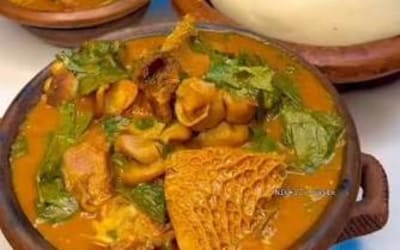
Pâté is a thick, smooth paste made primarily from maize (corn) flour. The preparation involves gradually stirring maize flour into boiling water until it forms a firm, lump-free consistency. The process requires patience and skill, as constant stirring is needed to achieve the perfect texture neither too soft nor too hard. The result is a stretchy, slightly dense dough that can easily be molded into small portions for eating. The origins of pâté can be traced back to the widespread cultivation of maize across West Africa. As maize became a staple crop due to its affordability and adaptability, communities began developing various ways to prepare it. In Togo, pâté emerged as a practical and filling meal that could be paired with locally available soups and sauces.

Comments (0)

Leave a Comment

0/1000
Loading comments...