
On a hot afternoon in Nigeria, few drinks are as satisfying as a chilled glass of zobo. Bright red in colour, sweet, tangy, and packed with flavour, zobo has become a household favourite. Whether served at family gatherings, parties, restaurants, or sold by street vendors, this refreshing beverage has earned its place as one of the country's most popular traditional drinks but beyond its delicious taste lies a drink with an interesting history and a surprising range of health benefits.
Zobo is made from the dried calyces (the flower-like outer parts) of the hibiscus plant (Hibiscus sabdariffa).
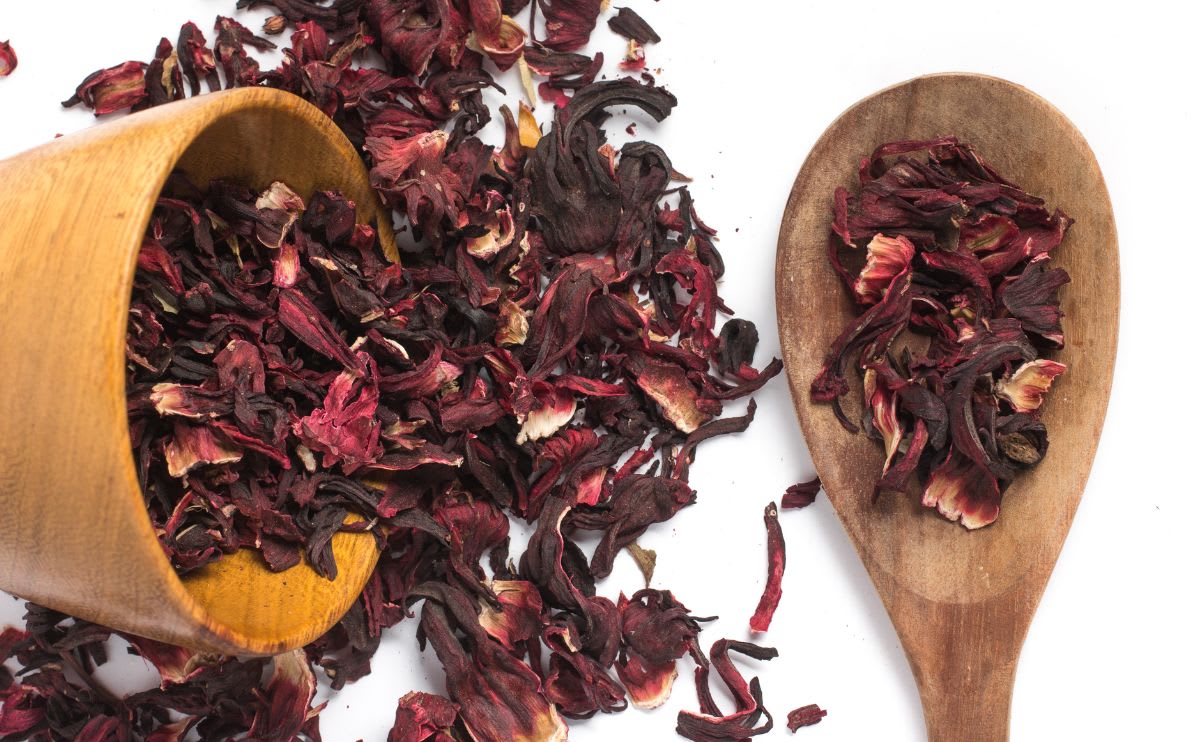
The dried flowers are boiled in water to extract their deep crimson colour and tart flavour before being strained. Depending on personal preference, ingredients such as ginger, cloves, pineapple peels, orange peels, lemon, cucumber, mint leaves, garlic, dates, or even fruit pulp may be added to enhance both the flavour and nutritional value. Sweeteners such as sugar or honey are also commonly used.
Although Nigerians know it as zobo, the drink is enjoyed across many parts of Africa and the world under different names. It is known as bissap in Senegal and several French-speaking West African countries, sobolo in Ghana, karkadé in Sudan and Egypt, and agua de Jamaica in Mexico and parts of Central America.
Health Benefits of Zobo
One reason zobo has remained popular over the years is its impressive nutritional profile.
- Rich in antioxidants: Hibiscus contains antioxidants such as anthocyanins and flavonoids, which help protect the body's cells from damage caused by free radicals. These compounds may reduce inflammation and contribute to overall health.
- May help lower blood pressure: Several studies suggest that regularly consuming unsweetened hibiscus tea may help lower blood pressure in people with mild hypertension. However, it should not replace prescribed medications unless advised by a healthcare professional.
- Supports heart health: By helping to reduce blood pressure and potentially lowering LDL ("bad") cholesterol, hibiscus may contribute to improved cardiovascular health.
- Contains vitamin C: When prepared with citrus fruits or fresh fruit additions, zobo can provide vitamin C, which supports the immune system, promotes healthy skin, and aids wound healing.
- Aids digestion: Ingredients commonly added to zobo, such as ginger and cloves, are known to support digestion, reduce bloating, and help relieve nausea.
- Keeps you hydrated: Because it is mostly water, zobo can be an enjoyable way to stay hydrated, especially during Nigeria's hot weather.
Are There Any Risks?
Like many foods and drinks, zobo is healthiest when consumed in moderation.
One of the biggest concerns is the amount of sugar added during preparation. Commercially prepared and even homemade zobo often contain large quantities of sugar amd artificial sweeteners, which can contribute to weight gain, tooth decay and an increased risk of type 2 diabetes if consumed frequently.
People taking medication for high blood pressure should also be aware that hibiscus may enhance the blood pressure-lowering effect of their medication, potentially causing blood pressure to become too low. Anyone on such medications should consult their healthcare provider before consuming large amounts regularly.
Pregnant women should also seek medical advice before drinking large quantities of hibiscus beverages, as research on its safety during pregnancy remains limited.
Finally, homemade zobo should be prepared hygienically and refrigerated promptly. Since it contains few preservatives, it spoils relatively quickly and can become contaminated if left at room temperature for extended periods.
Making Your Zobo Healthier
If you enjoy zobo regularly, a few simple changes can make it even healthier:
- Reduce the amount of added sugar or use natural sweeteners sparingly.
- Add fresh fruits instead of relying solely on sugar for sweetness.
- Include spices like ginger and cloves for extra flavour and potential health benefits.
- Store it in clean, airtight containers and keep it refrigerated.
- Consume it within a few days of preparation.
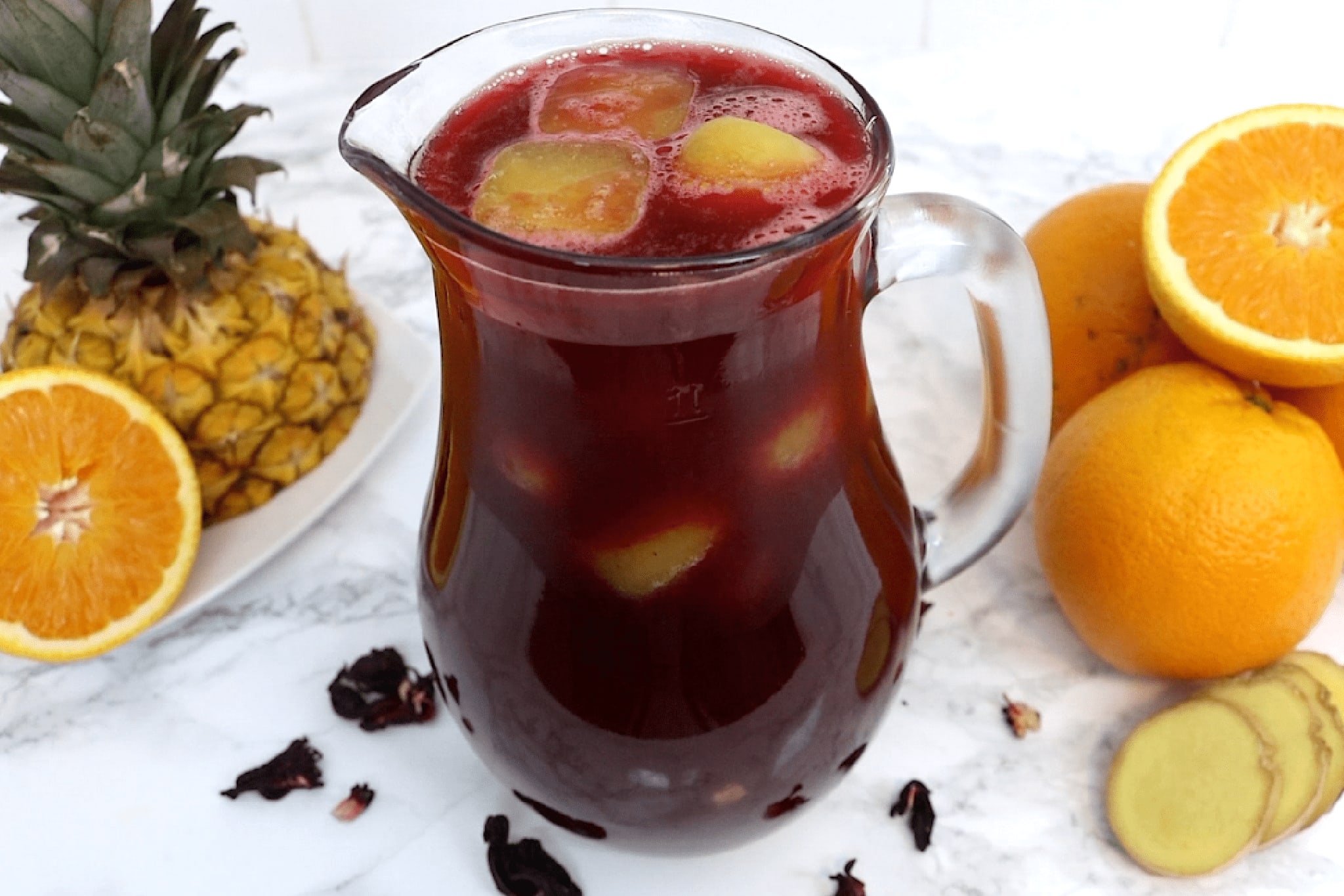
So, the next time you reach for a glass of chilled zobo, remember that you're not just enjoying a delicious drink; you're also sipping on a centuries-old tradition that continues to bring flavour, refreshment, and potential health benefits to millions of people.
© 2026 Aisha Egena-Aruwa | talkafricang.com



Comments (0)
Leave a Comment