
Long before it entered modern wardrobes, Aso-oke existed as a fabric of significance. Handwoven and deeply rooted in Yoruba culture, it has always been associated with moments of importance, celebrations, ceremonies, and social status. Its texture, weight, and craftsmanship made it distinct, carrying a presence that extended beyond appearance.
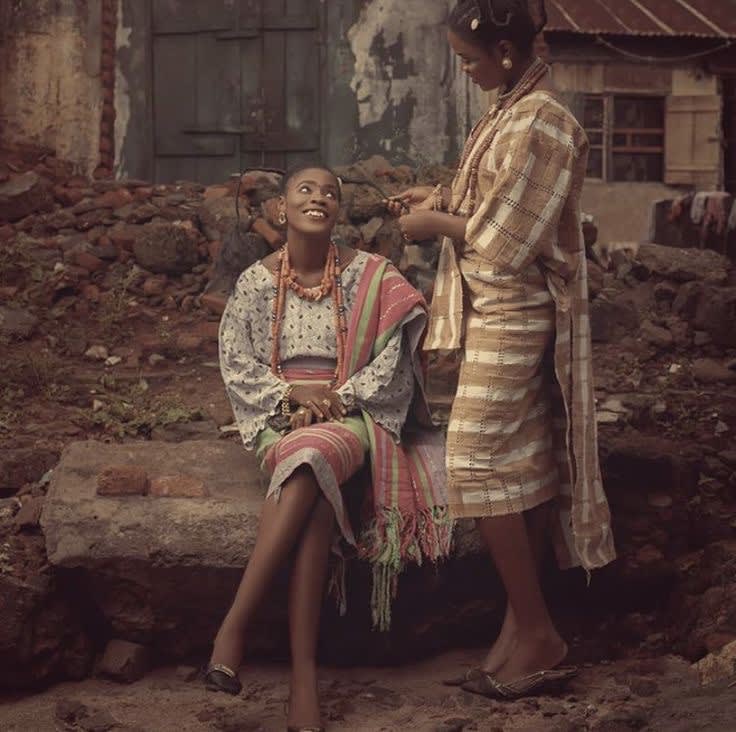
Over time, its place has begun to shift. What was once reserved for special occasions is now being reinterpreted for everyday expression, including corporate spaces. Aso-oke is gradually finding its way into structured blazers, tailored trousers, fitted dresses, and refined silhouettes that align with contemporary fashion. This shift reflects a broader movement within African fashion, one that is redefining how tradition fits into modern life. In professional environments where dress codes have long leaned toward uniformity, the introduction of Aso-oke offers something different. It introduces depth through texture, structure through its weave, and identity through its cultural origin. The styling remains intentional. A well-tailored Aso-oke piece does not rely on excess. The fabric itself carries enough presence, allowing for clean cuts, minimal layering, and precise finishing. Whether worn as a blazer, a two-piece set, or a structured dress, it holds its place without competing for attention.
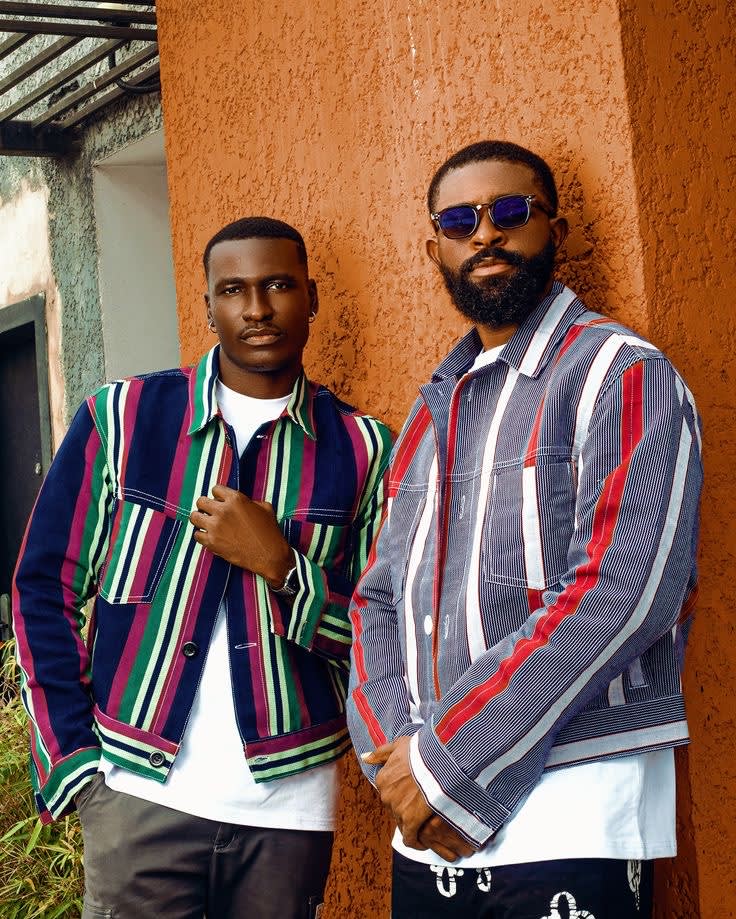
There is also a noticeable shift in mindset. A new generation of professionals is no longer interested in separating culture from career. Instead, there is a conscious effort to integrate both bringing heritage into spaces that once required neutrality.
This evolution is not loud, but it is steady.
• It reflects confidence.
• It reflects awareness.
• It reflects ownership.
From cultural gatherings to corporate environments, the continuity remains clear: tradition is being carried forward, not left behind. As Aso-oke continues to evolve within modern fashion, it expands its relevance moving across spaces, adapting to new contexts, and maintaining its place within African identity. And in that movement, something becomes evident. What we wear is not only about presentation. It is also about expression, interpretation, and presence. There is also a noticeable shift in mindset. A new generation of professionals is no longer interested in separating culture from career. Instead, there is a conscious effort to integrate both bringing heritage into spaces that once required neutrality. This evolution is not loud, but it is steady.
• It reflects confidence.
• It reflects awareness.
• It reflects ownership.
From cultural gatherings to corporate environments, the continuity remains clear: tradition is being carried forward, not left behind. As Aso-oke continues to evolve within modern fashion, it expands its relevance moving across spaces, adapting to new contexts, and maintaining its place within African identity. And in that movement, something becomes evident. What we wear is not only about presentation. It is also about expression, interpretation, and presence.
©️2026 Joy Popoola | TalkAfricang.com



Comments (0)
Leave a Comment