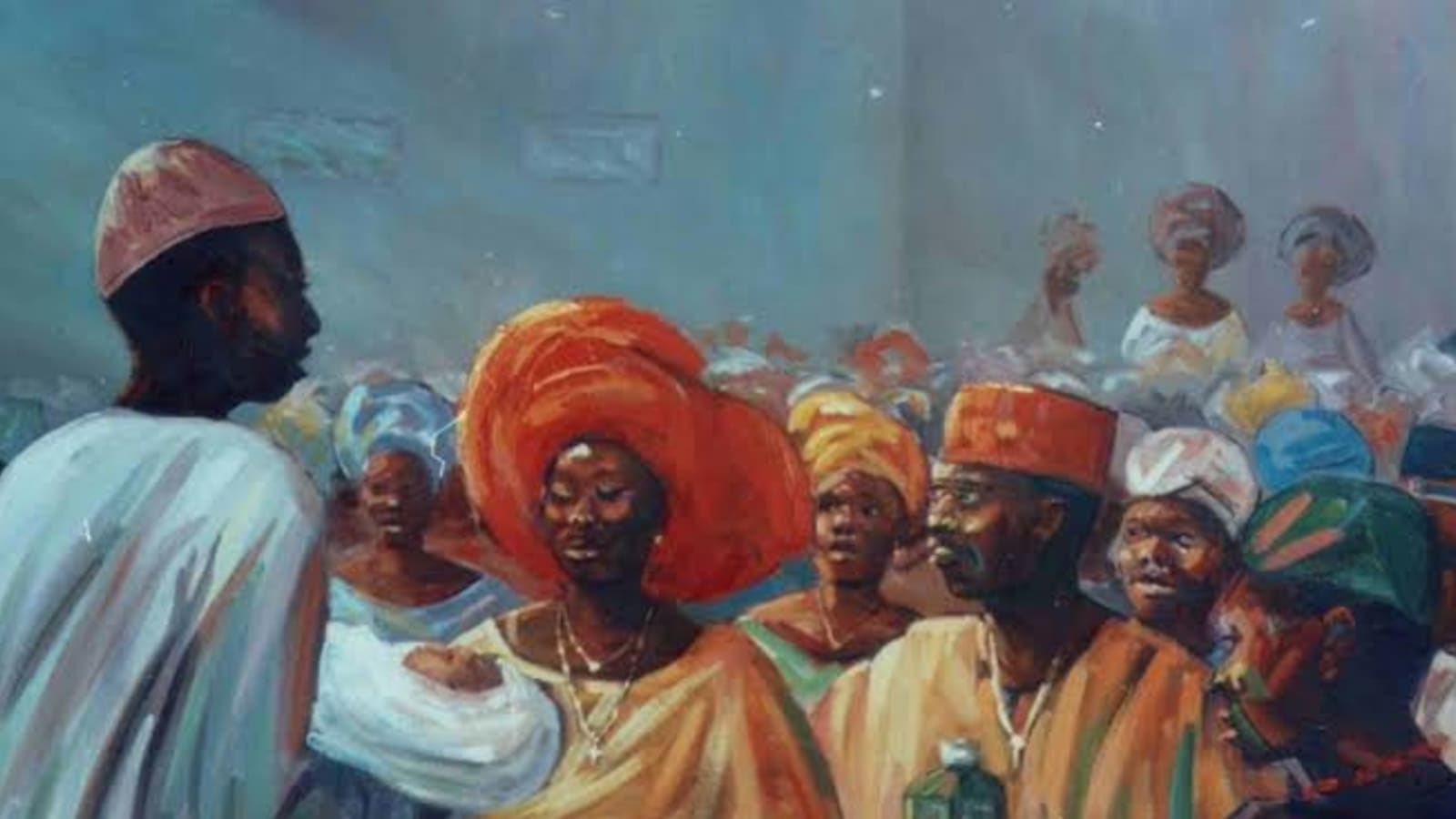
A Name, A Story: How African Names Remember the Circumstances of Birth
What if your name carried a story about the day you were born, a difficult period your family survived or an event your parents never wanted to forget?
In some African cultures, names do more than identify people. They can preserve family memories, describe the circumstances surrounding a child's arrival and tell stories that might otherwise be lost with time.
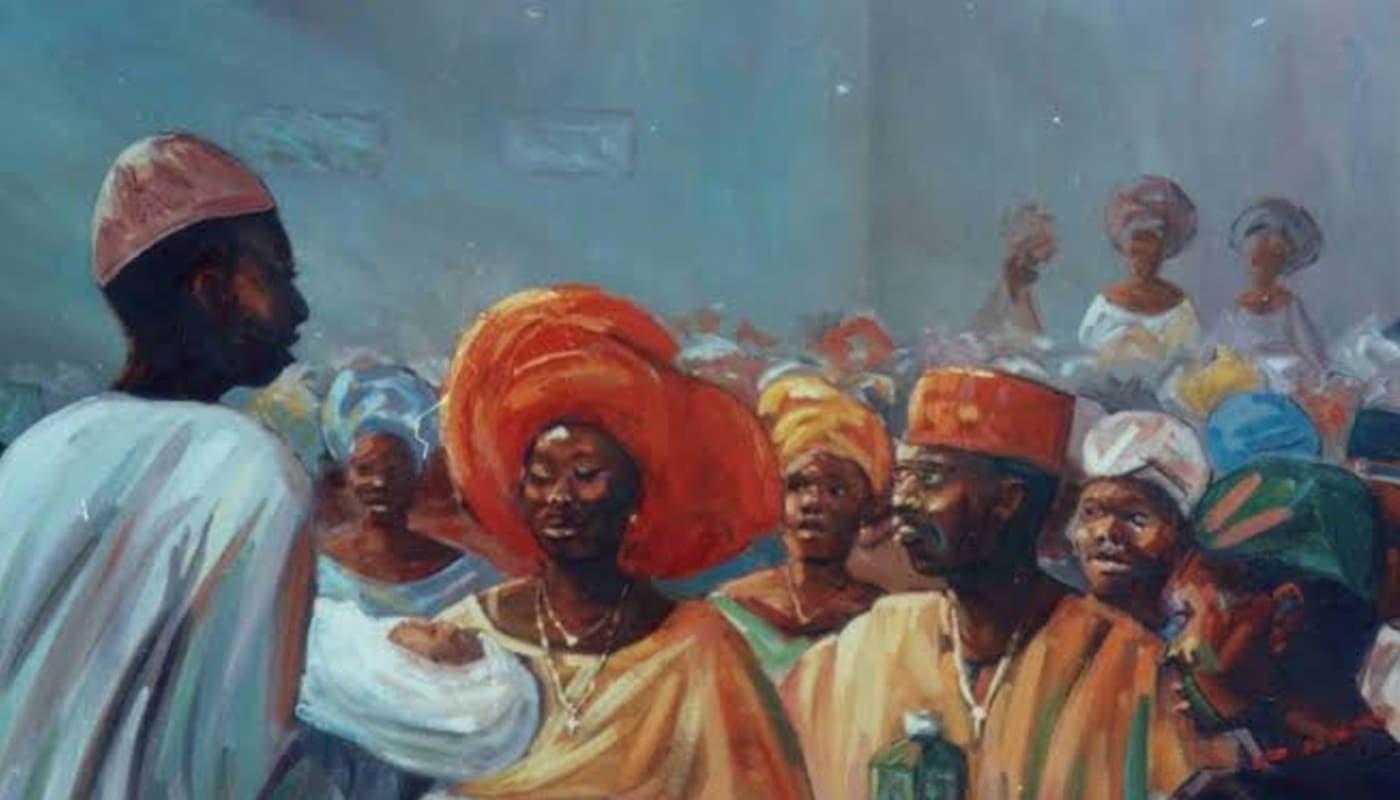
Among the Yoruba people of southwestern Nigeria, for example, a child's name may reflect the family's situation, an important event or the circumstances of the birth. Some names carry stories that the person bearing them may not even know until someone explains their meaning.
Consider Abiodun, a Yoruba name associated with being born during a festival. The name can preserve a memory of the festive period in which a child arrived.
Then there are Taiwo and Kehinde, names traditionally given to Yoruba twins. Taiwo is the first twin to be born, while Kehinde is the second. In Yoruba tradition, however, Kehinde is often regarded as the elder twin because of the cultural belief that Kehinde sent Taiwo out first to discover the world.
There is also Idowu, traditionally the name given to a child born after twins. Imagine a family welcoming twins and later having another child. The name Idowu can tell part of that family's story without anyone needing to explain the order of the births.
Other Yoruba names reflect more unusual circumstances. Ojo and Aina, for example, are traditionally associated with boys and girls born with the umbilical cord around the neck, respectively.
These names are not simply labels chosen at random. Within their cultural context, they can preserve details of a child's arrival and connect the person to a tradition that has existed for generations.
Naming traditions are not identical across Africa, and not every name describes the circumstances of birth. Names may also reflect religion, family lineage, hopes for a child or the events taking place when the child was born.
Yet these examples reveal something fascinating about the relationship between names and memory. A name can hold a detail about a person's beginning long after the people who witnessed that moment have passed away.
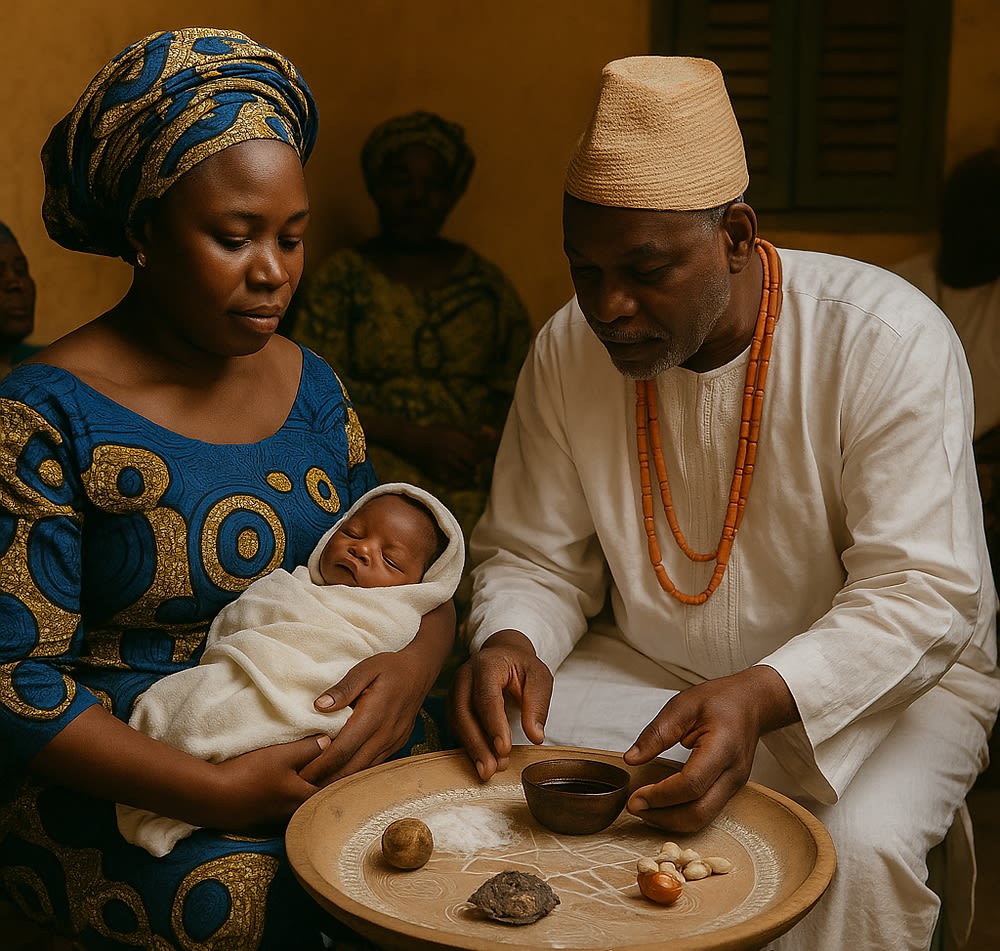
Today, many African families combine traditional names with religious or modern ones, while others continue to give names that reflect their heritage. The customs may change, but the stories behind them remain worth exploring.
The next time you meet someone with a traditional African name, ask what it means. You might discover that the answer is not just a translation, but a story about family, history and the circumstances that shaped a person's arrival.
Sometimes, a name is the first story a family tells about a child.
Reference
Kayode, A. E. (2022). The Cultural Context of Naming Systems Amongst the Yoruba of South West Nigeria. South African Journal of Cultural History, 36(2), 23–34.
Read the verified research paper: The Cultural Context of Naming Systems Amongst the Yoruba of South West Nigeria
© Angel Tomi @TalkafricaNG.com













Comments (0)
Leave a Comment