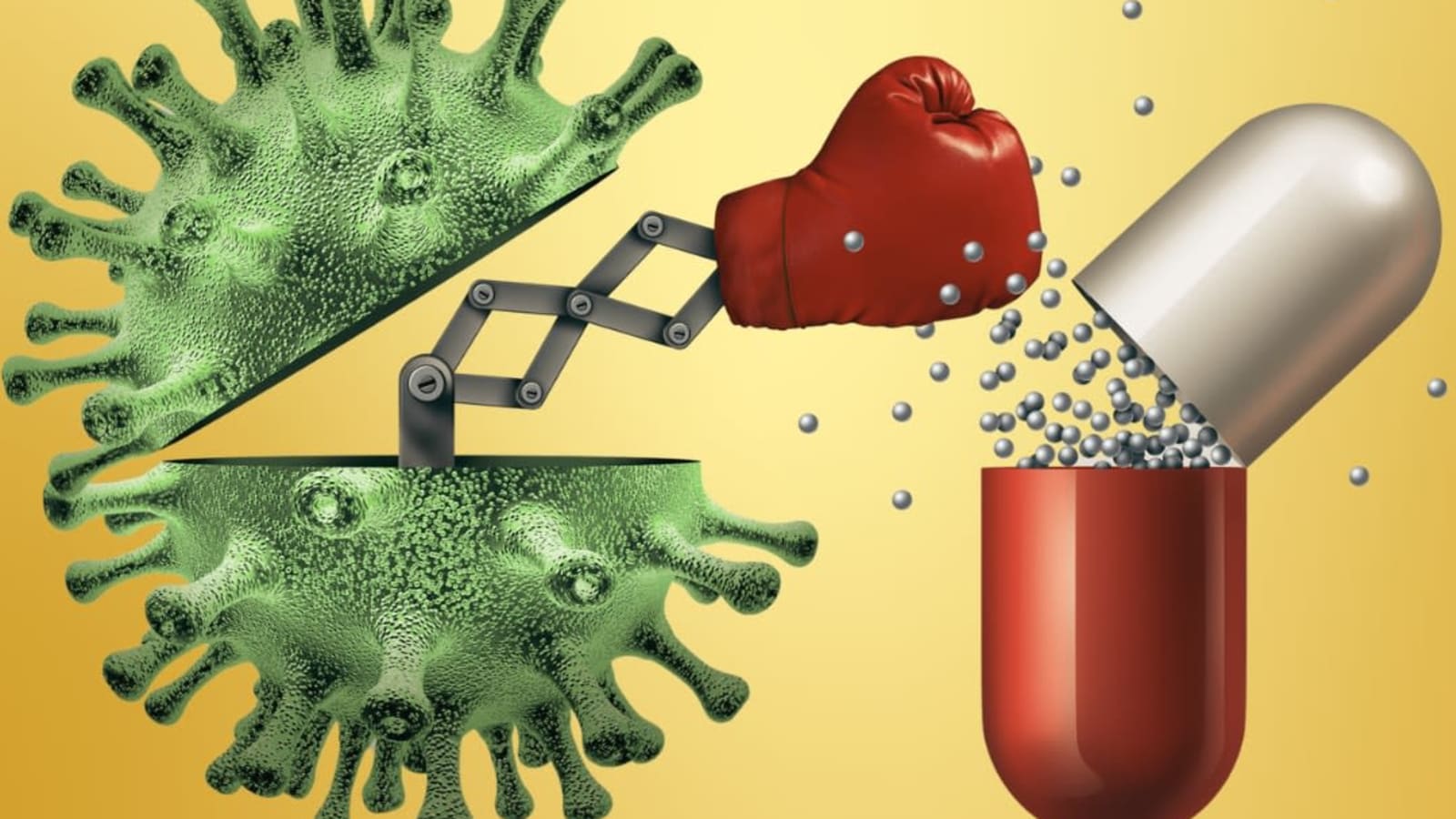
One of the emerging problems we have in healthcare currently is antimicrobial resistance, especially antibiotics resistance
Let's start with this knowledge: not every sickness or infection needs Ampiclox, penicillin, or any other antibiotic. Many people have developed the habit of taking antibiotics whenever they feel unwell, without first understanding the cause of their illness. However, not all infections are caused by bacteria. Some infections are fungal infections, while others are viral infections. In such cases, the use of antibiotics will be of little or no importance because antibiotics are designed to fight bacteria, not viruses or fungi.
This misuse of antibiotics is one of the reasons antimicrobial resistance is becoming a major public health concern around the world.
What is Antimicrobial Resistance?
Antimicrobial resistance (AMR) occurs when microorganisms such as bacteria, viruses, fungi, and parasites change over time and no longer respond to medicines that were once effective against them. As a result, infections become more difficult to treat, illnesses last longer, healthcare costs increase, and the risk of complications and death becomes higher.
Among all forms of antimicrobial resistance, antibiotic resistance remains the most common and widely discussed.
Understanding Antibiotic Resistance
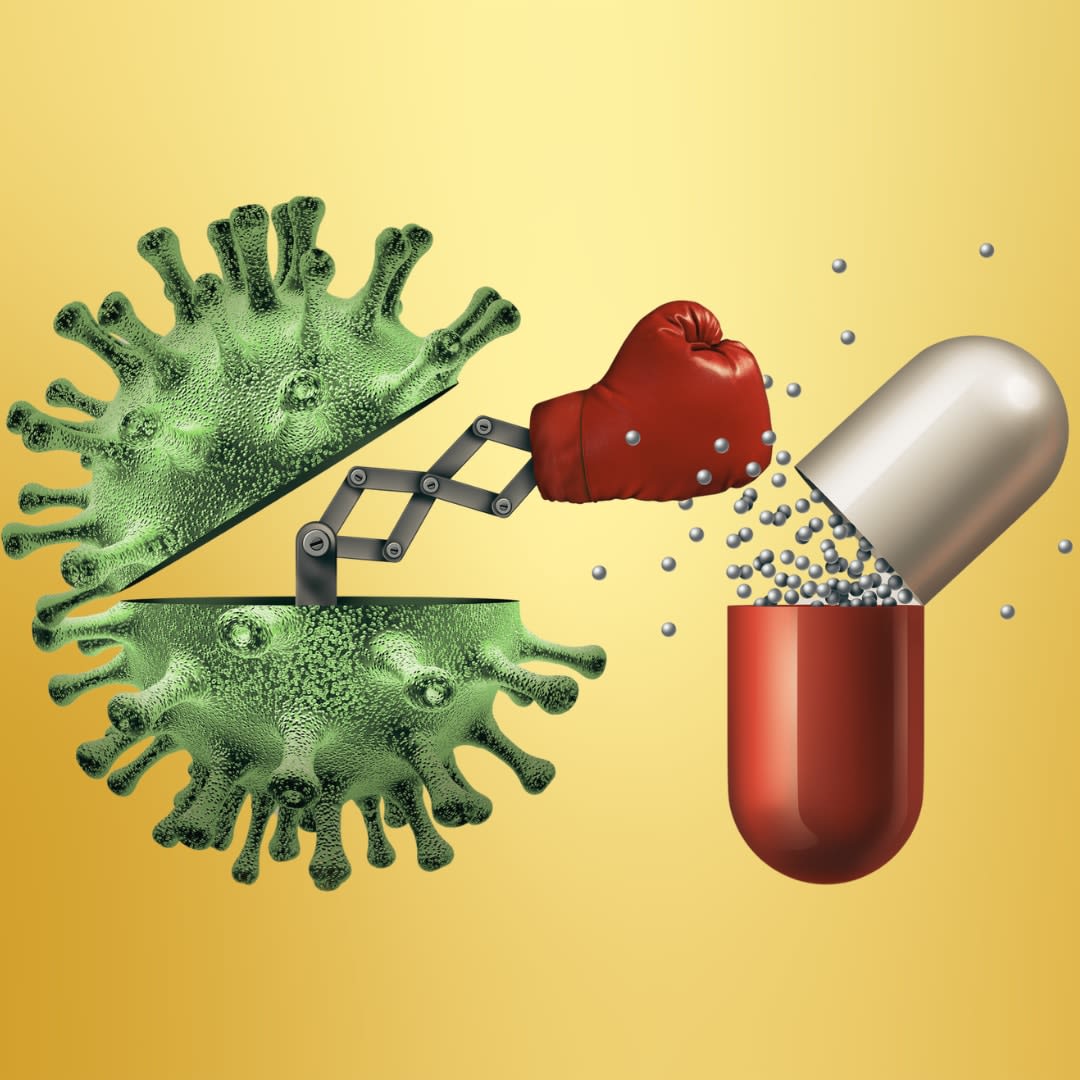
Antibiotic resistance occurs when bacteria develop the ability to survive the effects of antibiotics that were once able to kill them or stop their growth. This means that the antibiotic no longer works effectively against the infection.
When bacteria become resistant, infections become harder to treat. Patients may require stronger medications, longer hospital stays, or more expensive treatments. In some cases, common infections that were once easily treated can become life-threatening.
What Causes Antibiotic Resistance?
Several factors contribute to the development of antibiotic resistance, including:
1. Misuse of Antibiotics
Using antibiotics when they are not needed, especially for viral infections such as the common cold or flu.
2. Self-Medication
Taking antibiotics without proper medical advice or prescription.
3. Not Completing Prescribed Doses
Stopping treatment as soon as symptoms improve instead of completing the full course of medication.
4. Overuse of Antibiotics
Frequent and unnecessary use of antibiotics can encourage bacteria to adapt and become resistant.
5. Use of Antibiotics in Agriculture
The excessive use of antibiotics in animals can contribute to the spread of resistant bacteria.
Why Should We Be Concerned?
Antibiotic resistance threatens many of the medical advances we often take for granted. Treatments for infections, surgeries, childbirth, cancer therapy, and organ transplantation all depend on effective antibiotics.
If resistance continues to increase, we may reach a point where common infections become difficult or impossible to treat. Diseases that were once easily managed could once again become major causes of illness and death.
What Can We Do?
Everyone has a role to play in combating antimicrobial resistance.
✓ Only use antibiotics when prescribed by a qualified healthcare professional.
✓ Do not pressure healthcare providers to prescribe antibiotics unnecessarily.
✓ Complete the full course of antibiotics as directed.
✓ Never share antibiotics with others.
✓ Practice good hygiene to prevent infections.
✓ Get recommended vaccinations to reduce the risk of infections.
Conclusion
Antimicrobial resistance is not just a future problem,it is a challenge we are facing today. Antibiotic resistance, in particular, is reducing our ability to effectively treat bacterial infections. The good news is that simple actions, such as using antibiotics responsibly and following medical advice, can help slow the spread of resistance.
©2026 Ukachi Rejoice| TalkAfricang.com



Comments (0)
Leave a Comment